
Connection level
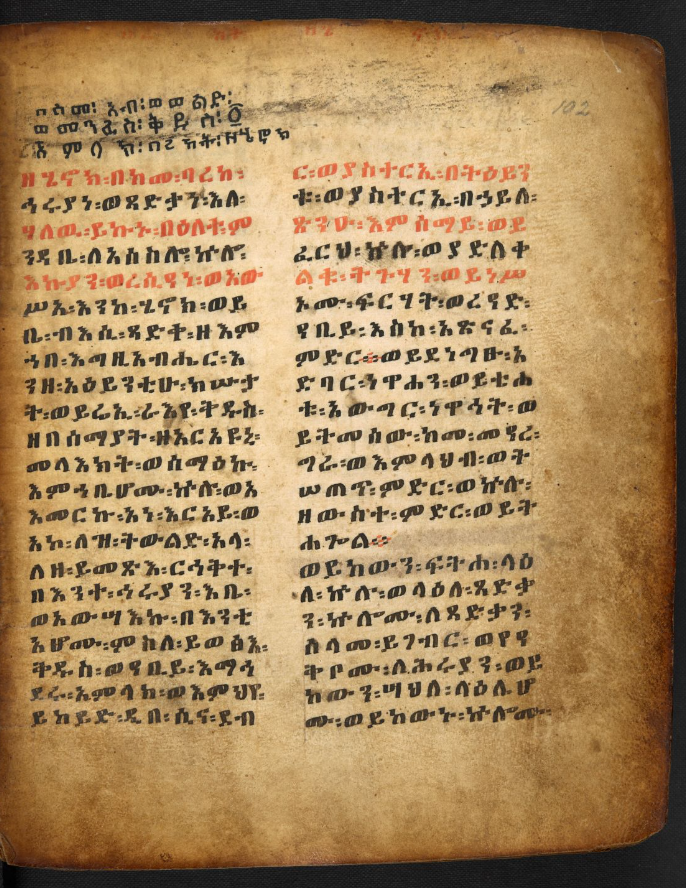
12 direct connectionsThe Book of Enoch, also called 1 Enoch, is an ancient Jewish apocalyptic text attributed to the patriarch Enoch, a biblical figure connected with walking with God and being taken into a celestial dimension. The book became famous for the Watchers, giants, journeys through heaven, cosmic calendars and final judgment.
Why this book draws so much attention
Enoch grips people because it opens a part of biblical imagination that feels larger than ordinary canonical reading: angels descending, forbidden knowledge, giants, cosmic judgment, maps of heaven and a human figure taken up to see divine secrets.
That is why the theme connects with Ancient Aliens, Anunnaki, Merkaba, Akasha, ascension and Astral Travellers. But the distinction matters: Enoch comes from Jewish apocalyptic imagination in the Second Temple world, not from modern ufology.
The core: Watchers and giants
The most famous part is the Book of the Watchers. In it, celestial beings descend to Earth, become involved with human women and generate giants. The text also speaks of knowledge taught to humanity, including metallurgy, cosmetics, weapons, astrology and arts considered dangerous.
This plot fed centuries of debate about fallen angels, demons, Nephilim and the origin of evil. In modern internet culture, it also became a bridge to Ancient Aliens theories and comparisons with the Anunnaki, although those traditions have different historical contexts.
Not only “fallen angels”
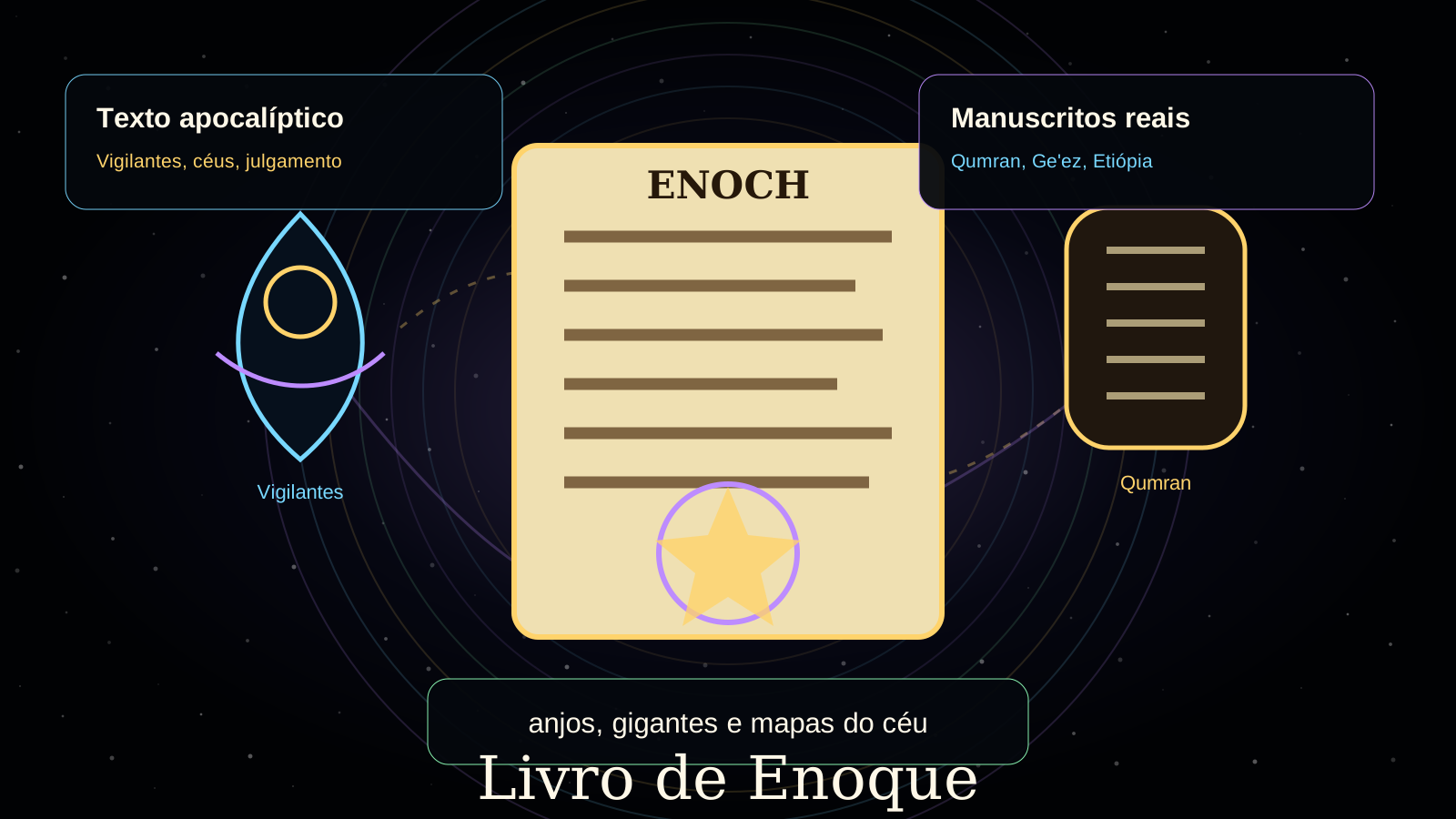
The editorial image beside this text shows three layers: manuscript, Watchers and Qumran. The Book of Enoch is powerful because it joins myth, vision and archive.
It is not only a story about giants. It also speaks of sacred astronomy, moral order, calendar, judgment and visionary travel.
The main parts of the book
The text we call 1 Enoch is a collection. It is usually divided into blocks: the Book of the Watchers, the Book of Parables, the Astronomical Book, the Book of Dream Visions and the Epistle of Enoch. This structure shows that the book is not a simple narrative, but an apocalyptic library gathered over time.
The Astronomical Book is especially interesting for AwakenMap: it tries to organize heaven, luminaries, celestial gates and calendar. Here Enoch appears as traveller and reader of the invisible architecture of the cosmos.
Qumran and the Dead Sea Scrolls
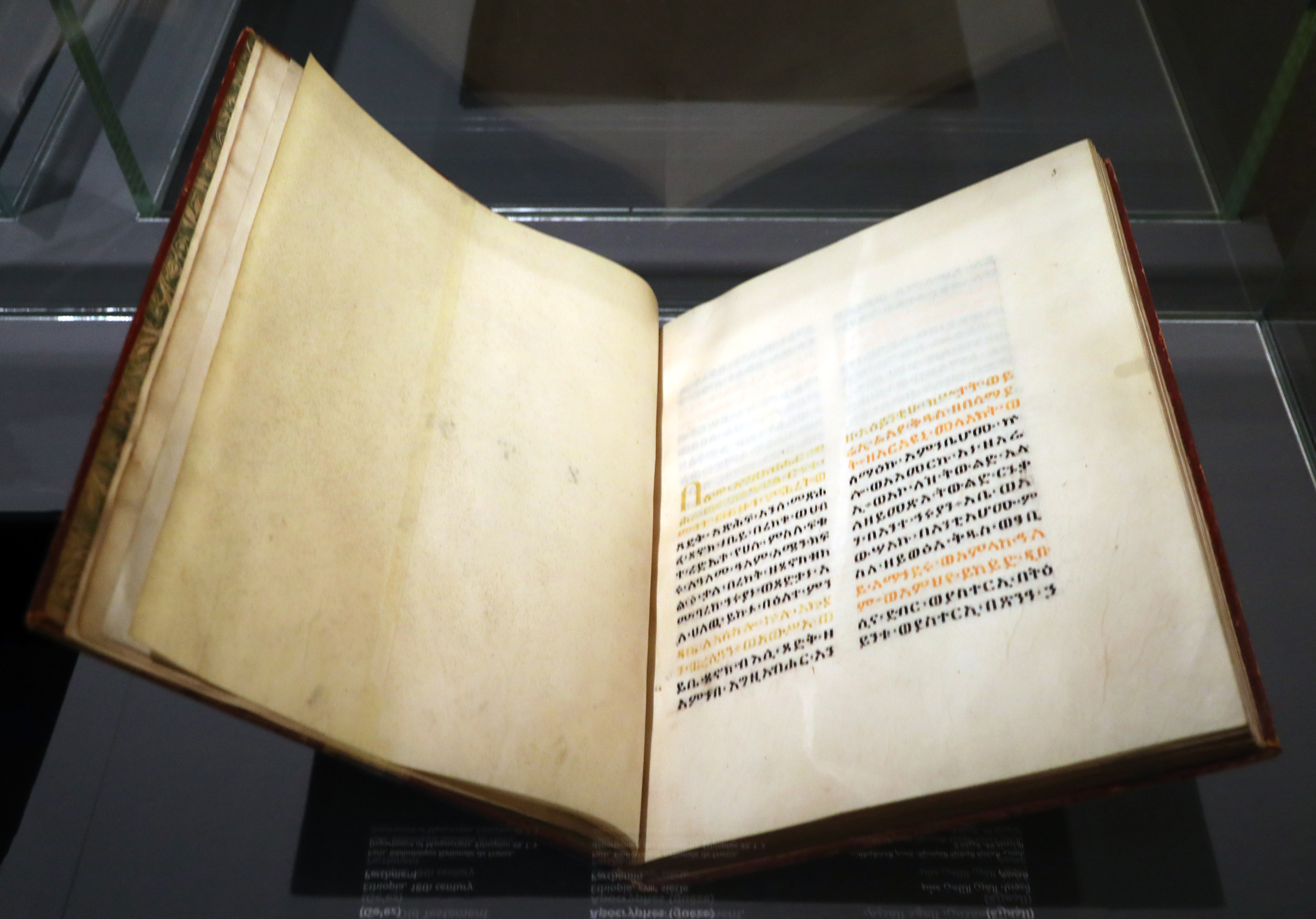
Before Ethiopic manuscripts became known in the West, parts of Enoch had circulated in ancient traditions. The discovery of the Dead Sea Scrolls at Qumran gave historical weight to the theme: Aramaic fragments of 1 Enoch were found among Second Temple period texts.
This does not mean everyone considered Enoch Bible. It means the text was read, copied and important in certain ancient Jewish circles. It belonged to a religious environment that helped shape ideas about apocalypse, angels, judgment and the end of the age.
Why it is outside most Bibles
The Book of Enoch did not enter the rabbinic Jewish canon or most Christian traditions. But it remained important in the Ethiopian Orthodox Tewahedo Church, where it is preserved within a broader biblical tradition.
This detail is essential. The text is not simply a "forbidden book." It is non-canonical for many groups, canonical for others, and historically important for scholars of ancient Judaism and early Christianity.
Jude and the memory of Enoch
The Epistle of Jude in the New Testament shows familiarity with the Enochic tradition. This helps explain why the book has always drawn Christian curiosity: even outside most canons, it left traces in later religious vocabulary.
Enoch's impact does not depend only on being inside or outside a Bible. It influenced how people imagined angels, celestial sin, judgment and hidden revelation.
Enoch as heavenly traveller
One of the strongest images in the book is Enoch being taken to see celestial regions. He crosses spaces, observes the mechanisms of heaven and receives explanations. This figure connects with visionary travel and themes such as Merkaba and Astral Travellers.
The difference is that, in Enoch, the journey is not modern spiritual tourism. It is revelation: the traveller sees in order to testify, warn and organize the moral world.
Forbidden knowledge
Another powerful point is knowledge transmitted at the wrong time. The Watchers teach techniques and arts that accelerate humanity but also corrupt order. This pattern appears later in many myths: Prometheus, secret technology, ancient civilizations, magic, dangerous science.
This is where Enoch connects with modern fear of closed systems and symbols such as the Black Cube: the problem is not only knowledge, but who gives it, why, and with what consequence.
What the text should not become
A common mistake is turning Enoch automatically into proof of ancient aliens. The text can inspire UFO readings, but its historical base is apocalyptic, Jewish, symbolic and religious. Mixing everything carelessly weakens the theme.
The richer reading accepts both layers: Enoch is an ancient religious document and also a powerful source for modern imagination about contact, fall, surveillance and revelation.
How to continue on the map
After this theme, follow Ancient Aliens, Anunnaki, Merkaba, Akasha, ascension, Astral Travellers, the Black Cube and the Great Awakening. This path connects ancient text, heavenly travel, hybrid beings, spiritual archive and critical reading.
Simple summary
The Book of Enoch is an ancient Jewish apocalyptic text preserved fully in Ge'ez and also known through Qumran fragments. It speaks of the Watchers, giants, journeys through heaven, cosmic calendar and judgment. Its power comes from joining real manuscript tradition, religious memory and visionary imagination.
References and starting points
- British Library Archives - Or 486, Ethiopian manuscript containing the Book of Enoch
- Wikimedia Commons - BL Or 485 f. 102r, Ethiopic Book of Enoch
- Wikimedia Commons - 18th-century Ethiopic Book of Enoch, BnF/Louvre Abu Dhabi
- The Dead Sea Scrolls - Explore the Archive
- The Israel Museum - The Dead Sea Scrolls
- Manchester Digital Collections - Ethiopic Manuscripts: Enoch, Job, and the Book of Kings
- Princeton University Library - Ethiopic Manuscripts in the Princeton University Library
- Internet Archive - R. H. Charles, The Ethiopic version of the Book of Enoch, 1906
- Project Gutenberg - The Book of Enoch the Prophet, Richard Laurence translation
- Biblical Archaeology Society Library - Dead Sea Scrolls Spotlight: The Book of Enoch
FAQ
Is the Book of Enoch part of the Bible?
It depends on the tradition. It is not part of most Jewish and Christian canons, but it is preserved as canonical in the Ethiopian Orthodox tradition.
Does the Book of Enoch prove ancient aliens?
No. It may inspire modern readings, but historically it is a Jewish apocalyptic text from the Second Temple period.
Are there real manuscripts of the Book of Enoch?
Yes. There are Ethiopic manuscripts in Ge'ez and Aramaic fragments connected with the Dead Sea Scrolls at Qumran.
Keep exploring
You can open another path
 Ancient civilizations Giants 5/5 intensity Explore →
  Ancient civilizations Ancient Egypt 4/5 intensity Explore →
  Esoteric practices Mystery Schools 4/5 intensity Explore →
  Esoteric practices Anunnaki 4/5 intensity Explore →
  Esoteric practices Sumerian Creation Story 4/5 intensity Explore →
  Esoteric practices Gnosticism 3/5 intensity Explore →
Join the conversation
Comments are moderated. Keep the discussion respectful and distinguish evidence, interpretation and personal experience.