Connection level
63 direct connectionsGlobal Control is the hypothesis that collective life is being organized by a mesh of governments, banks, companies, international bodies, intelligence services, digital platforms and data systems. The theme belongs to the question of when protection becomes obedience because it forces a difficult question: when does legitimate coordination stop protecting society and begin managing the range of human choice?
Origin of the idea
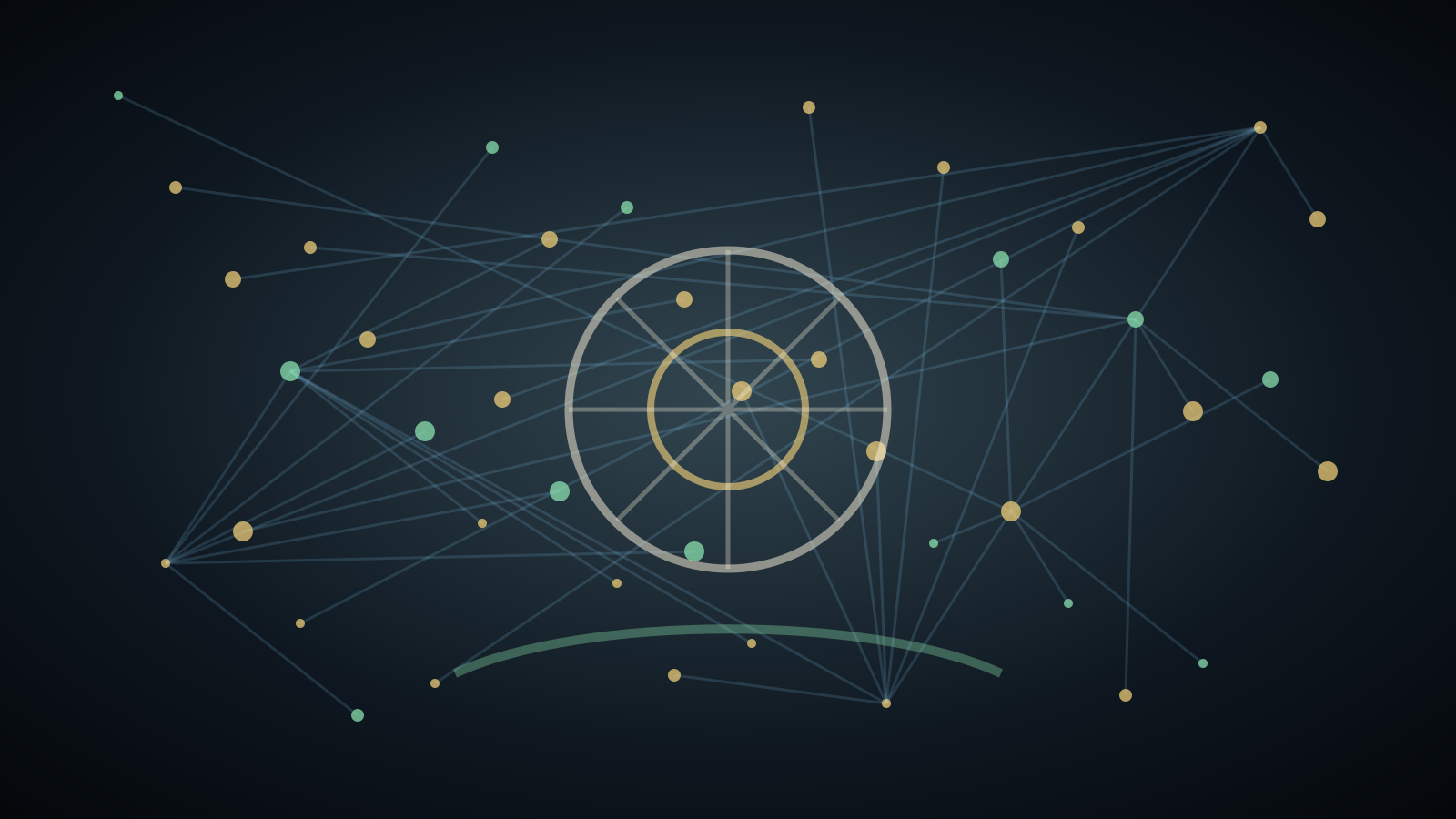
The idea did not come from one book or one movement. It formed in layers. In the nineteenth and early twentieth centuries, suspicion focused on empires, international banks, discreet societies, mass press and closed diplomacy. After the world wars, the creation of the UN, international financial institutions, military alliances and intelligence networks gave the fear a new shape: if problems are global, who receives authority to govern the solution?
During the Cold War, this imagination was fed by propaganda, psychological operations, surveillance, espionage and the fear of invisible governments inside visible governments. On the internet, the theme changed scale. Global control no longer depended only on treaties, banks and agencies. It began to involve data, algorithms, digital identity, tracking, content moderation, financial reputation, artificial intelligence and private infrastructure.
That is why global control is so strong inside theories about Cabal, Deep State and Illuminati, Deep State, central banking, End the Fed, Council on Foreign Relations, mainstream media and The Matrix. It acts as an umbrella theory: different real facts of centralization are stitched into a larger narrative in which every forum, every international goal and every surveillance technology seems to point toward the same invisible center.
What is public and documented
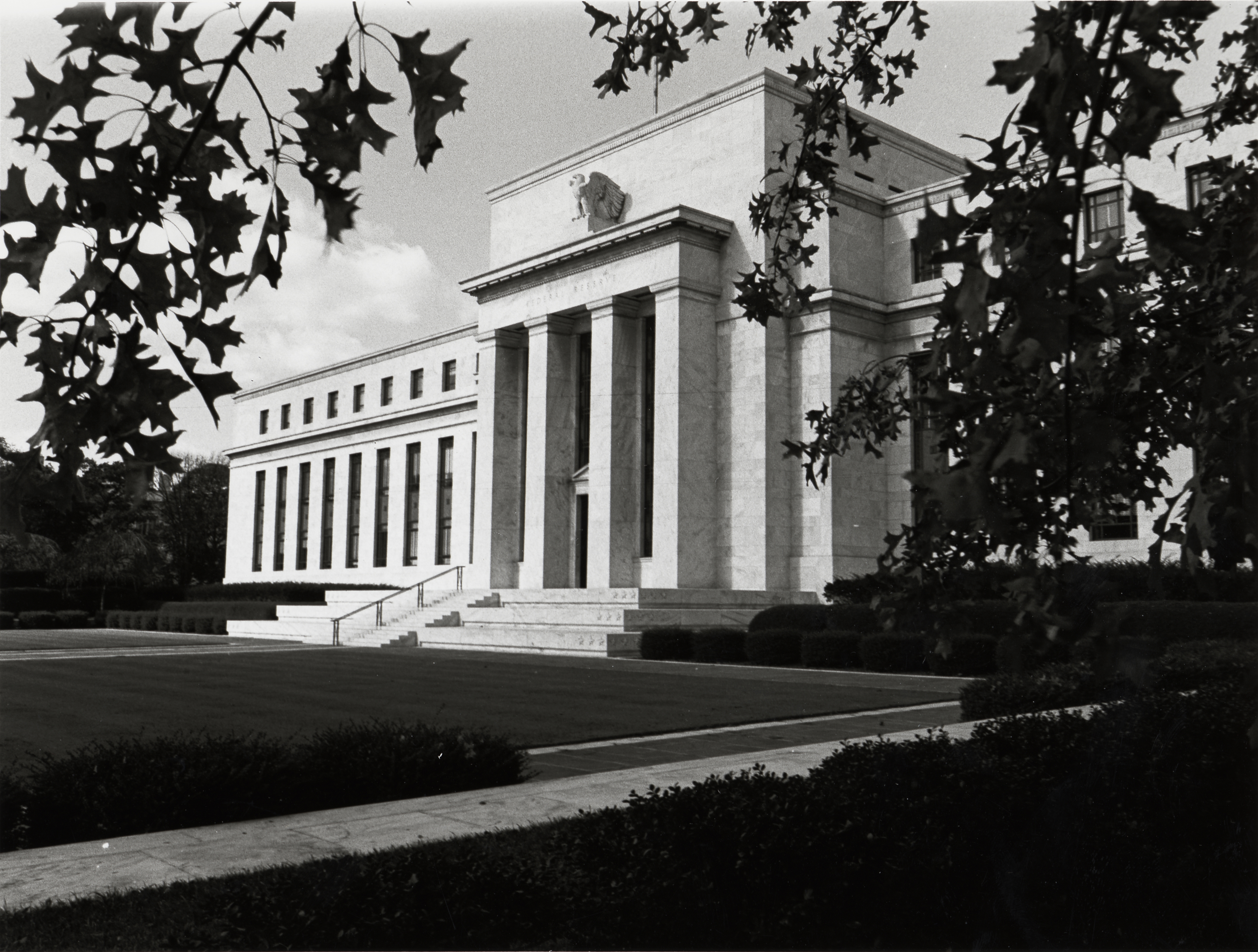
Much is documented. The UN 2030 Agenda exists, was adopted in 2015 and proposes global development goals. The World Economic Forum published texts and books in 2020 about the Great Reset, arguing for economic and social reforms after the pandemic. The Bank for International Settlements tracks central bank research on digital currencies. Freedom House has documented for years the expansion of censorship, repression and digital surveillance in authoritarian regimes, as well as pressures inside democracies.
These documents do not need to be imagined. They are public. The delicate point is interpretation. For some, they are attempts to coordinate real problems: climate, poverty, health, digital risks, financial crises and security. For others, they are the polished language of a system that moves decisions away from ordinary voters.
Where the conspiracy appears
The conspiratorial layer appears when coordination becomes single intent. If economic elites attend the same meetings, governments use the same language, central banks study digital currencies, platforms define global visibility rules and international documents speak of shared goals, the conspiratorial narrative concludes that a central command stands behind it all.
That reading can notice real risks: excessive surveillance, financial exclusion, informal censorship, regulatory capture, platform dependence, mandatory identification, punishment for opinion and normalization of emergency measures. The weaker leap is turning every sign of centralization into automatic proof of an infallible secret room. The world can become more administered without proving that one emperor rules it.
This is where the theme connects with QAnon and GEOTUS. In some communities, global control stops being a critique of concentrated power and becomes a simplified spiritual war: awakened people on one side, a perfectly coordinated evil elite on the other. That gives the theme symbolic energy, but it can also erase important nuance.
A concrete case
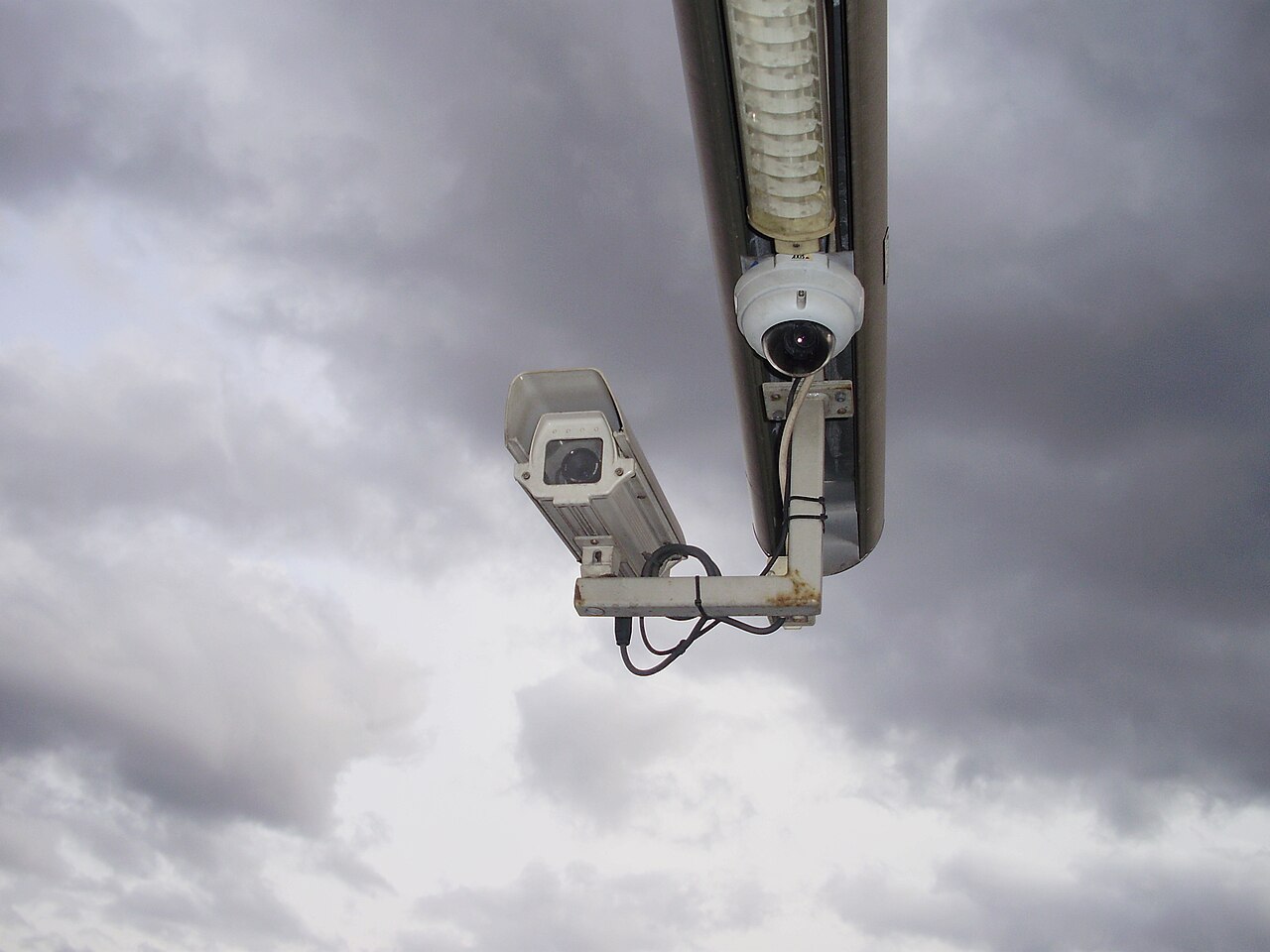
The most useful case for understanding the fear of global control is the combination of digital surveillance and social scoring. In China, the State Council published a 2014 plan to build a social credit system between 2014 and 2020. The document discussed government, commercial, social and judicial trustworthiness, along with mechanisms for rewarding and punishing conduct considered untrustworthy.
The important detail is that this is not exactly the caricature of one single score for every citizen, as seen in fiction. Researchers describe a set of databases, lists, restrictions, local systems and enforcement mechanisms, more bureaucratic and uneven than the viral version. Even so, the case is concrete because it shows a possible direction: reputation, access, punishment and behavior can be mediated by digital infrastructure.
When that logic is placed beside facial recognition, cameras, digital identity, electronic payments and government databases, the theory of global control gains emotional force. It stops feeling like abstract fantasy and starts feeling like extrapolation: if one country can integrate surveillance, reputation and access to services, what would prevent other systems from moving in the same direction under softer names?
What is source and what is evidence
As sources, there are official documents, digital rights reports, research on digital currencies, global governance texts, laws, identity systems, surveillance practices and investigations into platforms. This shows that coordination infrastructure exists and is growing.
As evidence of secret world command, the situation is different. The existence of the 2030 Agenda does not prove world government. The existence of the Great Reset does not prove a single enslavement plan. Research on digital currencies does not by itself prove programmable money used to punish dissidents. What it does prove is that society is creating tools with far greater control potential than in the past.
Why it belongs on AwakenMap
Global control belongs on AwakenMap because it touches the limit between coordination and autonomy. Complex societies need to deal with climate, technology, finance, health, security and information on a planetary scale. But when the solution requires monitoring everything, standardizing everything and making every choice dependent on platforms, protection begins to resemble domestication.
The philosophical connection is this question: is awakening the discovery of a perfect conspiracy, or the ability to recognize systems that concentrate power even without one visible face? The strongest path may be neither institutional naivety nor total paranoia. It is looking at documents, incentives, infrastructure and real consequences.
How to continue on the map
After this theme, explore Cabal, Deep State and Illuminati, Deep State, central banking, End the Fed, Council on Foreign Relations, Council of 200, mainstream media, CIA, FBI, Free Masons, geoengineering and directed energy weapons.
Simple summary
Global control is the idea that governments, banks, companies, international bodies and digital platforms can form a mesh capable of steering collective life. There are real and documented risks of surveillance, financial concentration, invisible moderation and technological dependence. That does not prove one single secret command. The central point is understanding how distributed systems can reduce autonomy while presenting themselves as efficiency, security or progress.
References and starting points
- Freedom House - Freedom on the Net 2025
- Freedom House - report on digital authoritarianism
- United Nations - 2030 Agenda for Sustainable Development
- United Nations - Sustainable Development Goals
- World Economic Forum - Klaus Schwab on the Great Reset
- World Economic Forum - launch of COVID-19: The Great Reset
- Bank for International Settlements - survey on central bank digital currencies
- DigiChina/Stanford - translation of China's Social Credit System planning outline
- Wikimedia Commons - surveillance camera in a metro station
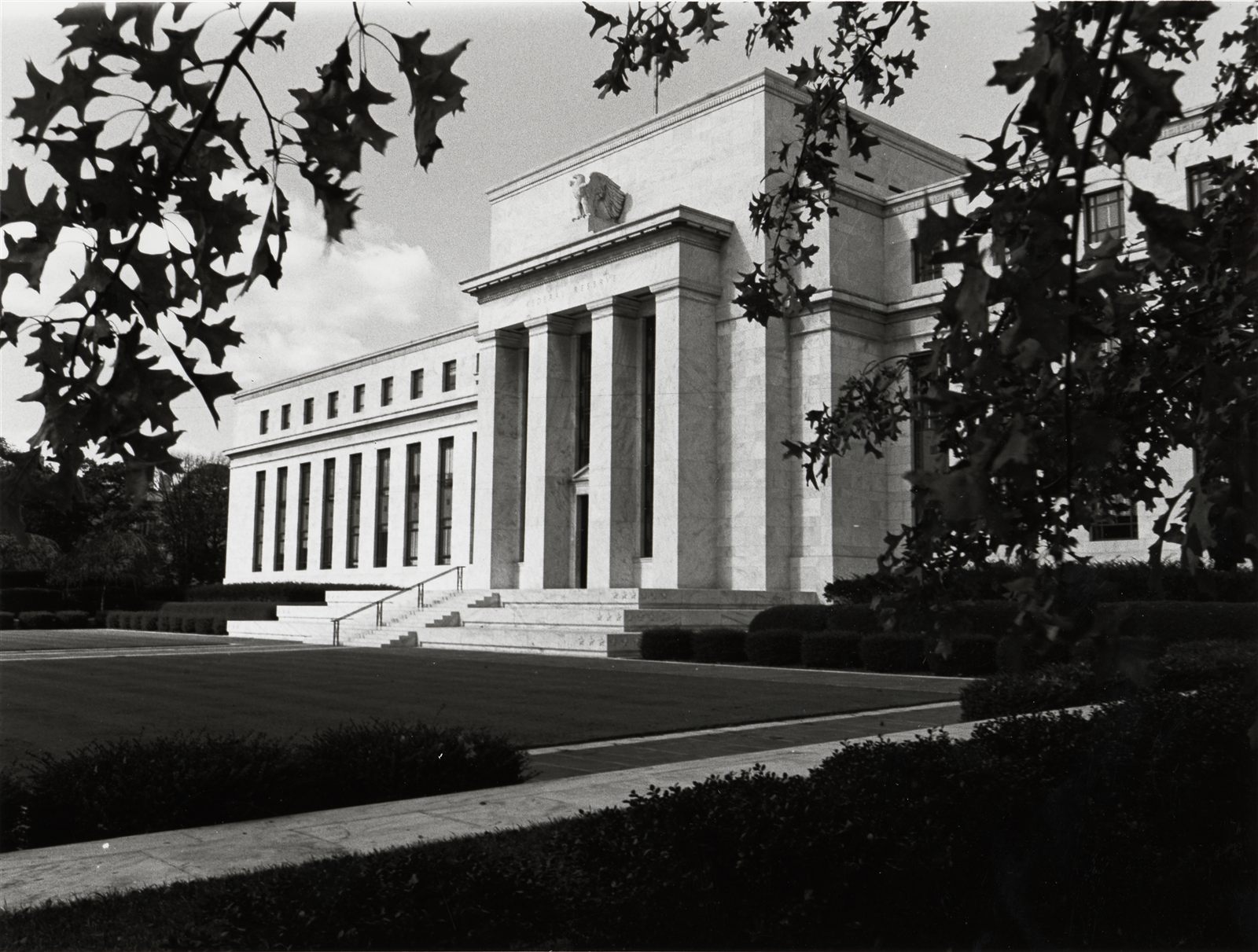
- Wikimedia Commons - Marriner S. Eccles building
Keep exploring
You can open another path
 AwakenMap theme BRICS Alliance 5/5 intensity Explore →
  Control systems Cryptocurrencies 5/5 intensity Explore →
  Control systems End the Fed 5/5 intensity Explore →
  Control systems Geoengineering 5/5 intensity Explore →
  Control systems Central Banking 5/5 intensity Explore →
  Control systems Deep State 5/5 intensity Explore →
Join the conversation
Comments are moderated. Keep the discussion respectful and distinguish evidence, interpretation and personal experience.