Connection level
13 direct connectionsJesuits are members of the Society of Jesus, a Catholic order founded by Ignatius of Loyola and approved in 1540. The theme enters AwakenMap through the doubt over when seeing historical influence helps more than imagining an invisible command over everything: an organization may have real influence, archives, schools and an international network without that proving a secret government behind everything.

The Society of Jesus was born in the 16th century, in the context of the Protestant Reformation, European colonial expansion and Catholic reorganization. Its members became missionaries, teachers, confessors, theologians, scientists, diplomats and administrators of colleges. The order's strength came from intellectual discipline, mobility, long formation, obedience to the pope and presence in places where religion, education and politics met.
That influence was real and ambiguous. Jesuits educated elites, founded schools, worked in missions, participated in scientific debates and became involved in colonial conflicts. They were also expelled from several territories and, in 1773, the Society was suppressed by Clement XIV under pressure from European courts. In 1814, Pius VII restored the order. In other words: before the internet, there was already a concrete history of power, fear, rivalry, expulsion and return.
The problem begins when that history stops being investigated and becomes a total explanation. The order is imagined not as a human institution, but as an invisible center controlling banks, wars, revolutions, media, education, governments, Freemasonry, communism, capitalism and the Vatican itself.
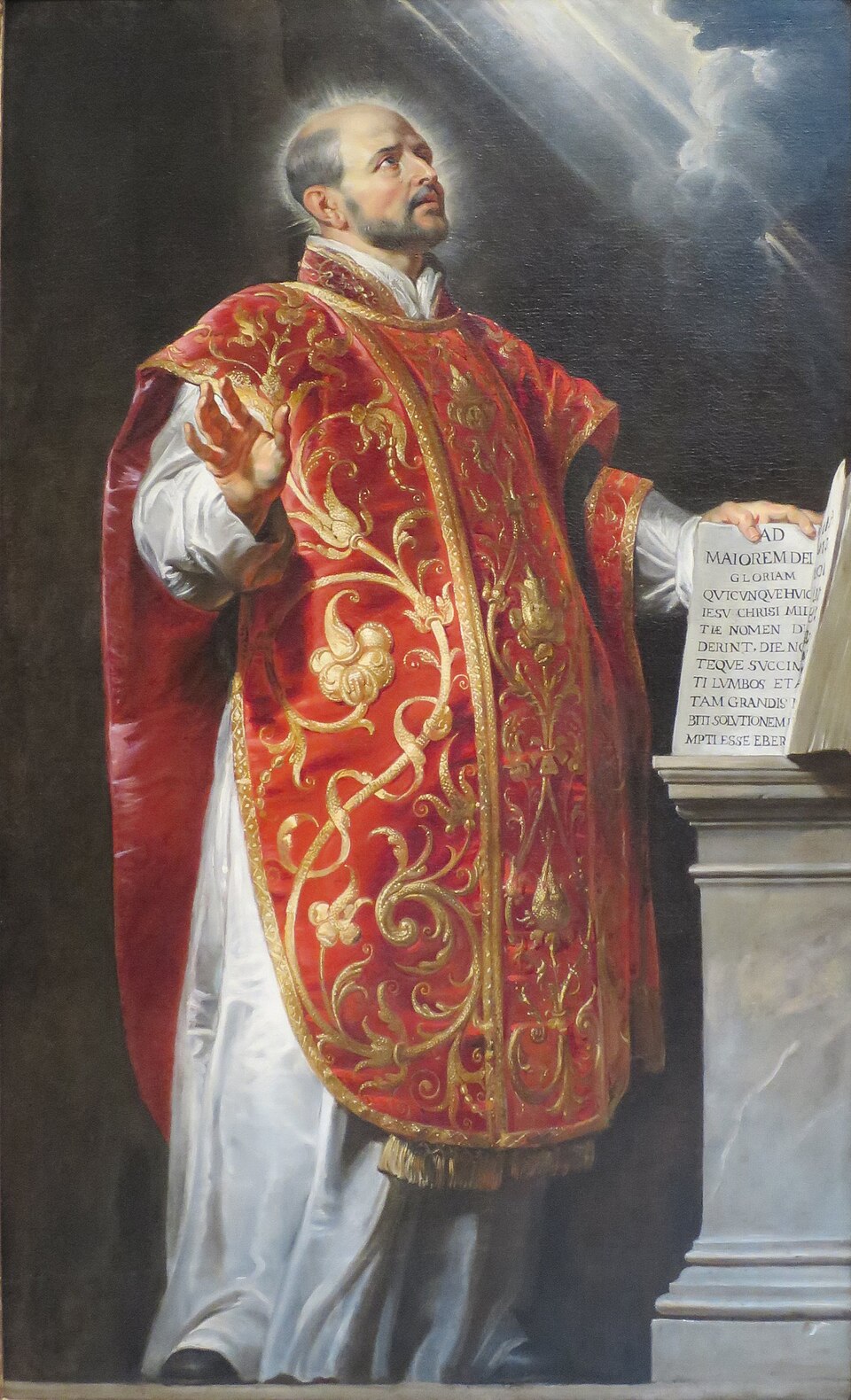
The conspiratorial layer has old roots. Anti-Jesuit theories appeared in the early centuries of the order, fed by rivalries between Catholics and Protestants, anticlericalism, fear of papal influence, conflicts among monarchies and 19th-century political literature. The nickname “Black Pope,” applied to the superior general because of the black cassock and the order's reach, became perfect material for conspiratorial imagination: if there is a visible white pope, there must be an invisible black pope commanding from behind.
The delicate point is that the fear does not come from nowhere. An international order, obedient to the pope, trained to teach, advise and move between countries really did look threatening to rival governments. But influence is not omnipotence. Influence can be traced in documents, schools, missions, decisions, expulsions and characters. Omnipotence is the fantasy that one order absorbs every contradiction and explains everything without a clear mechanism.
In conspiratorial maps, Jesuits connect to the Vatican, the Vatican Library, secret societies, Illuminati, Freemasonry, the Knights Templar, the Cabal / Deep State / Illuminati, global control, hidden history, mainstream media and propaganda. Sometimes they are described as enemies of Freemasonry; in other versions, as its secret controllers. The contradiction almost never kills the myth, because the myth is not trying to reconstruct history. It is trying to give one face to the feeling of backstage power.
A concrete case
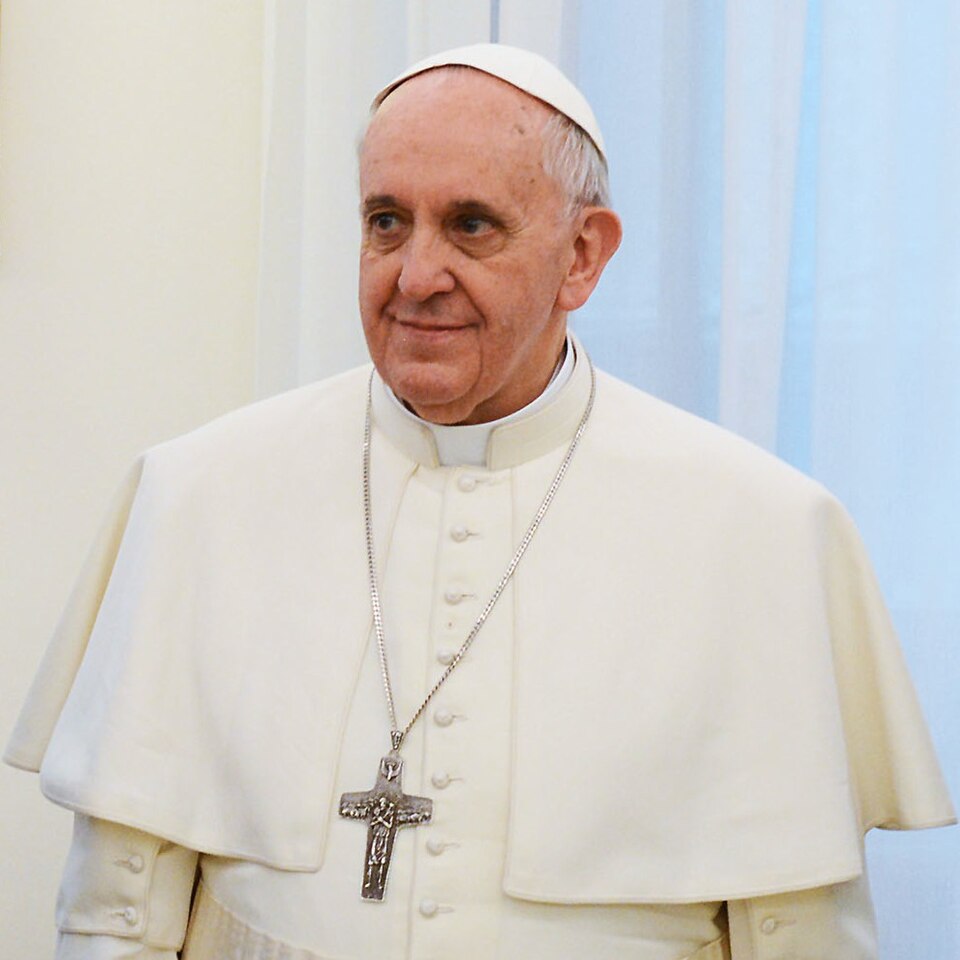
A concrete case is the election of Jorge Mario Bergoglio on March 13, 2013. The Vatican presents him as an Argentine Jesuit, accepted into the Society of Jesus novitiate in 1958, provincial of the Jesuits in Argentina from 1973 to 1979, and elected pope under the name Francis. For the first time, a Jesuit reached the papacy. Historically, this was notable because the Society of Jesus has always had a complex relationship with Rome: loyal to the pope, but also intellectual, international and not always easy to fit into Vatican politics.
For the conspiratorial layer, that fact became immediate fuel. If the superior general was called the “Black Pope,” the election of a Jesuit to the papacy seemed, to some, like the fusion of visible pope and invisible command. The real fact is simple: Francis was a Jesuit and pope from 2013 to 2025. The speculative leap is claiming that this revealed secret control of the world. Between one and the other there is an abyss of evidence.
Why it belongs on AwakenMap
Jesuits belong on AwakenMap because the theme forces a distinction between historical critique and total fantasy. An institution can be powerful, influential, strategic and controversial without becoming the single cause of every event.
The philosophical connection lies in how we deal with durable power. Awakening is not trading naivety for paranoia. It is investigating real institutions, recognizing possible abuses, studying documents and still resisting the temptation to turn historical complexity into one secret culprit.
How to continue on the map
After this theme, explore the Vatican, the Vatican Library, secret societies, Illuminati, Freemasonry, the Knights Templar, the Cabal / Deep State / Illuminati, global control, hidden history and propaganda.
Simple summary
Jesuits are members of the Society of Jesus, a Catholic order founded in the 16th century. Their presence in education, missions, religious politics and international networks created real influence and also fear. The conspiratorial layer turns that influence into secret global command. The care is separating documents, history and institutional power from a fantasy of omnipotence.
References and starting points
- Jesuits - official history of the Society of Jesus
- Vatican - biography of Francis
- Xavier University - suppression and restoration of the Society of Jesus
- Ignatian Spirituality - suppression of the Jesuits
- America Magazine - conspiracy theories about Jesuits
- ScienceDirect - Jesuits and conspiracy theories
- Wikimedia Commons - Ignatius of Loyola
- Wikimedia Commons - Francis in March 2013
Keep exploring
You can open another path
 Control systems Global Control 5/5 intensity Explore →
  Map center Great Awakening 5/5 intensity Explore →
  Control systems Cabal / Deep State / Illuminati 4/5 intensity Explore →
  Control systems Freemasonry 4/5 intensity Explore →
  Esoteric practices Hidden History 4/5 intensity Explore →
  Control systems Illuminati 4/5 intensity Explore →
Join the conversation
Comments are moderated. Keep the discussion respectful and distinguish evidence, interpretation and personal experience.