
Connection level
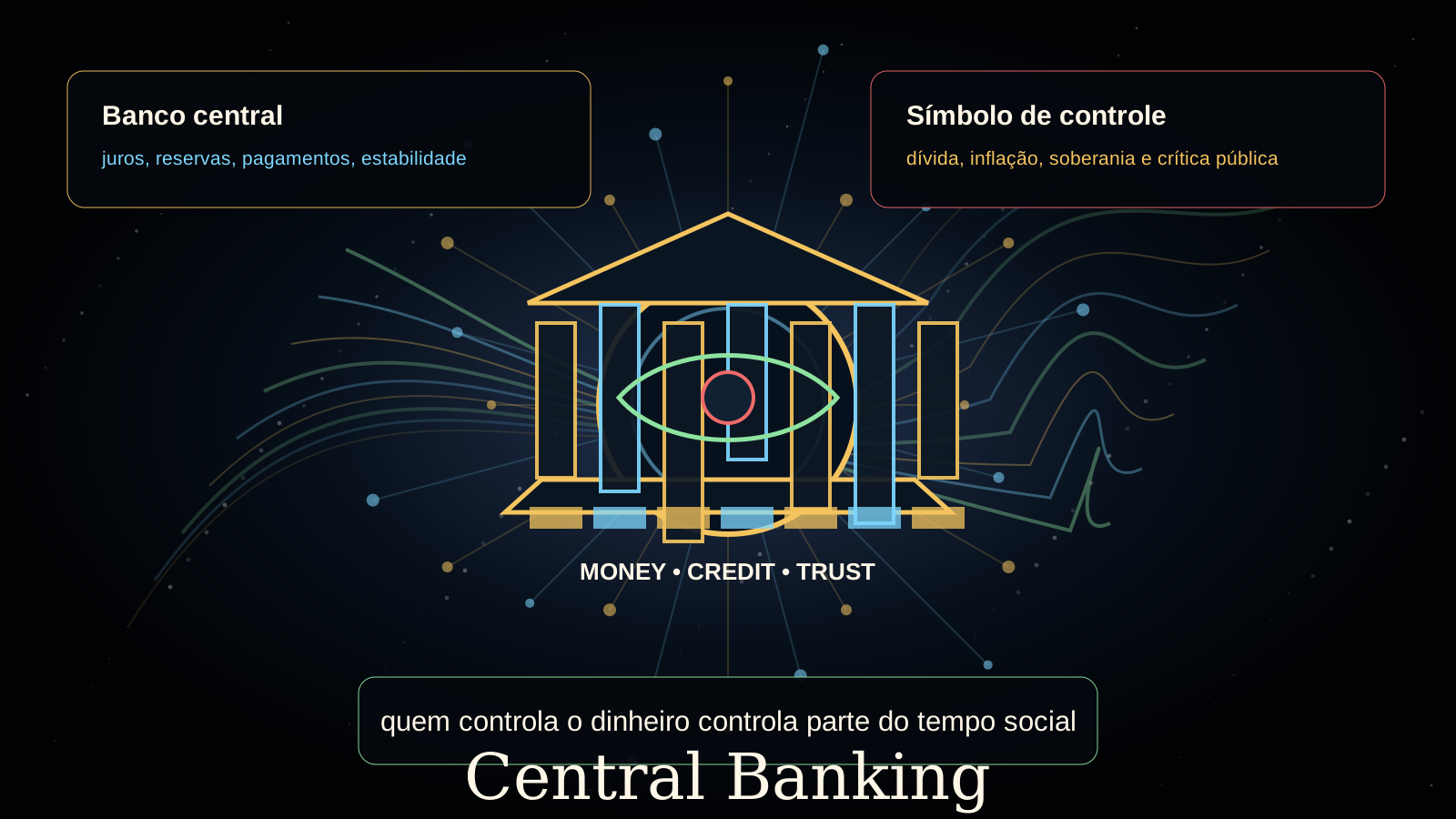
15 direct connectionsCentral Banking is the theme of central banks: institutions that manage money, interest rates, bank reserves, payment systems and part of a country's or monetary bloc's financial stability. On AwakenMap, it also appears as a symbol of invisible power, because money, credit and inflation shape almost everything without always appearing as explicit political or spiritual force.
What a central bank is
A central bank is not an ordinary bank. It is not there to sell checking accounts or credit cards. Its typical role is to conduct monetary policy, issue or manage currency, act as a bank for banks, provide liquidity in periods of stress, supervise parts of the financial system and maintain payment infrastructure.
In plain language: commercial banks handle money for people and companies; a central bank handles the base layer on which that money circulates. It shapes conditions that influence credit, inflation, exchange rates, public debt, investment, employment and trust.
Why it belongs on AwakenMap
Central Banking connects with cryptocurrency, End the Fed, global control, Cabal / Deep State / Illuminati, CFR, world gold heist and the imagery of The Matrix. The point is not to say that every central bank is part of a hidden plan. The point is to recognize that creating and managing money is one of the deepest forms of social organization.
When someone asks "who controls the money?", a mature answer has to separate layers: public law, independent institutions, financial markets, sovereign debt, private banks, political interests, lobbying, real crises and conspiracy narratives that mix facts with shortcuts.
Interest rates, inflation and the price of time
The interest rate is one of the most visible tools of monetary policy. When rates rise, credit usually becomes more expensive, consumption and investment may slow, and inflation may lose force. When rates fall, credit can become easier, but risk, bubbles and price pressure can also increase.
That is why a central bank indirectly changes the price of time. It influences the choice between spending now or later, borrowing or saving, investing or waiting. This is technical power, but also psychological power: expectations about the future move markets before a decision produces concrete effects.
The historic house of sterling
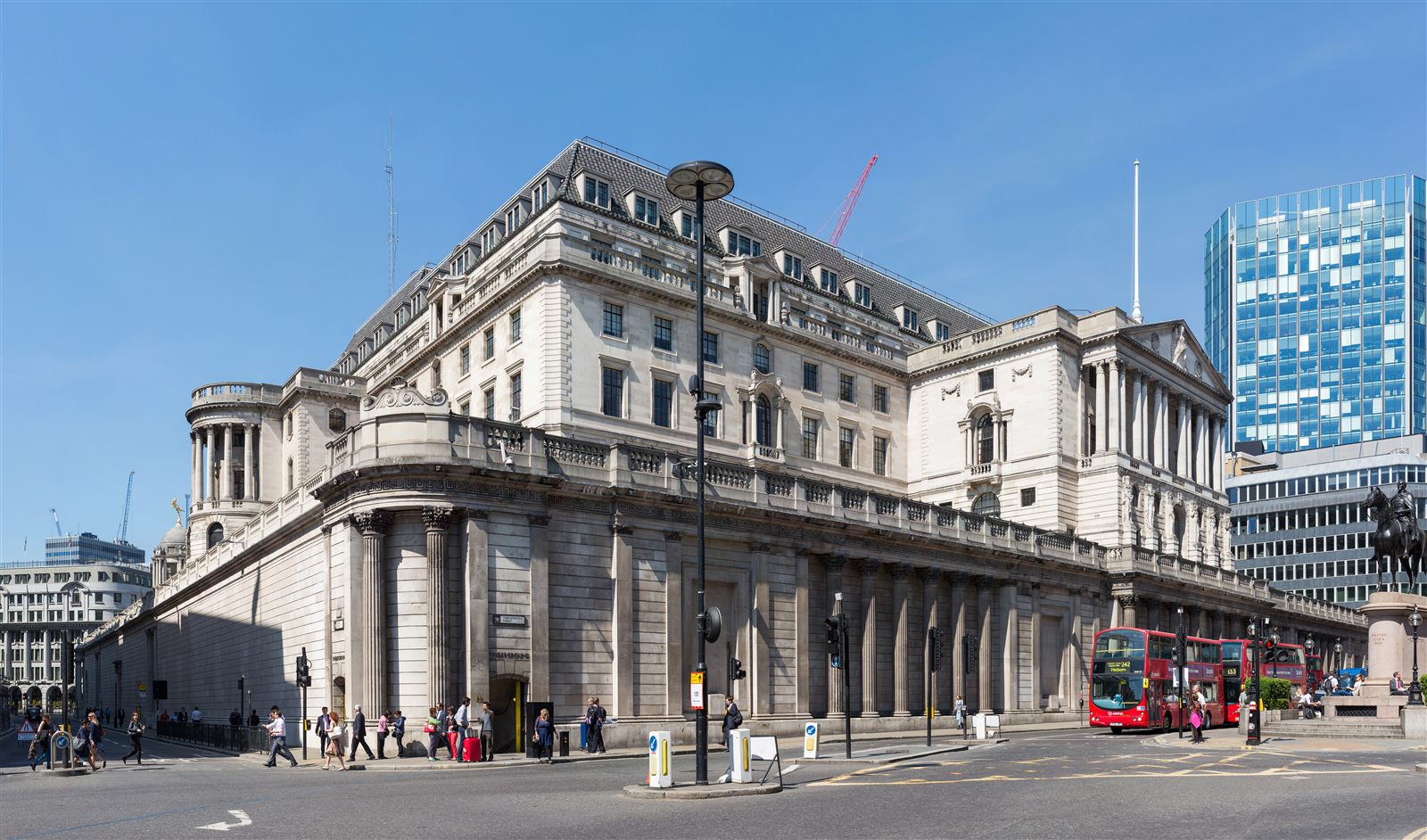
The Bank of England reminds us that central banking is not a recent invention. Founded in 1694, it became a reference point for the modern model of government banker, currency issuer, stability guardian and crisis institution.
The building also shows why the theme becomes symbolic: architecture, money and sovereignty blend together. Monetary power likes to look solid.
Reserves, balance sheets and bank money
One unintuitive part of the theme is that much modern money does not circulate as paper cash. It appears as bank deposits, reserves between banks, government securities, credit and digital records. Central banks manage the reserve and liquidity layer that allows banks to settle payments and meet obligations.
A central bank balance sheet matters because it records assets and liabilities: securities purchased, reserves issued, emergency loans, currency in circulation and other operations. In crises, that balance sheet can grow dramatically. For some, this is stabilization. For others, it signals distortion, dependence and socialized losses.
Independence and democracy
Many countries give operational independence to the central bank to reduce the temptation for governments to create money irresponsibly. The idea is to protect money from short electoral cycles. But independence does not remove democratic conflict: monetary decisions affect employment, mortgages, public debt, banks, companies and families.
The legitimate tension is this: a central bank needs technical credibility, but it cannot become a priestly chamber beyond public criticism. Transparency, accountability and clear mandates are the antidote to the aura of mystery.
The role in crises
In financial panics, central banks can act as lenders of last resort. This means providing liquidity when the system freezes. The justification is to prevent a crisis of confidence from destroying solvent banks, payments and everyday credit.
The problem is moral hazard: if large institutions believe they will always be rescued, they may take too much risk. Here an important AwakenMap critique appears: when private losses become public problems, the system can look protected at the top and disciplinary at the base.
End the Fed and monetary criticism
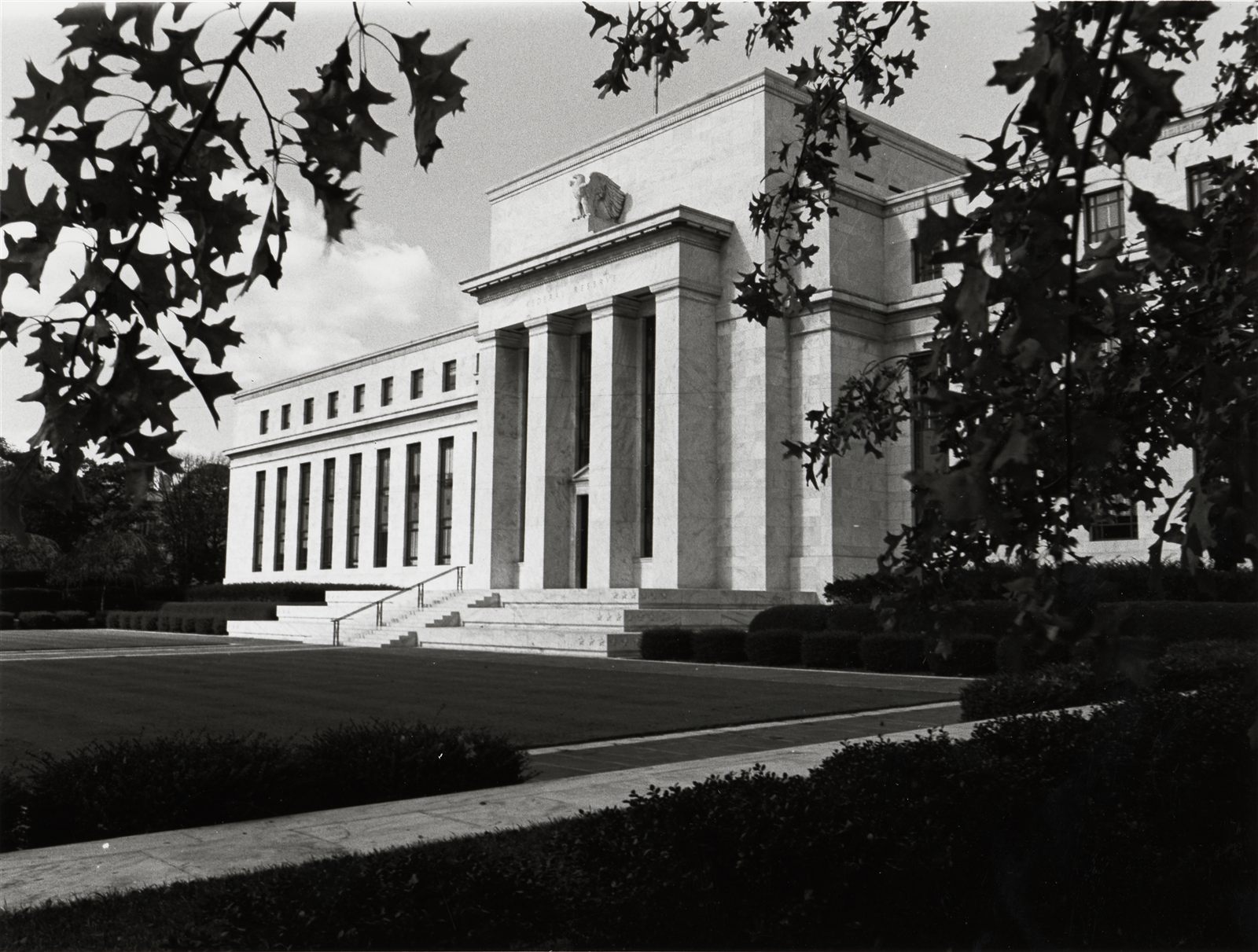
End the Fed represents the most direct criticism of the Federal Reserve and, by extension, of the central banking model. It mixes libertarian tradition, hard-money arguments, distrust of inflation, criticism of financial bailouts and suspicion of concentrated monetary power.
Not every criticism of the Fed is conspiratorial. There are serious debates about mandate, transparency, regulatory capture, distributional effects, asset bubbles and the social cost of inflation. The problematic leap happens when all monetary complexity becomes one story of omnipotent villains.
Cryptocurrency and monetary sovereignty
The connection with cryptocurrency is direct. Bitcoin and other cryptocurrencies were born partly as a reaction to the trust required by the traditional financial system, especially after the 2008 crisis. The promise was: transparent rules in code, predictable issuance and less dependence on intermediaries.
But cryptocurrencies also have their own risks: volatility, concentration, fraud, fragile custody, leverage and opaque governance in some projects. Criticizing central banking does not automatically solve the problem of building trustworthy money.
CBDCs and programmable money
Central bank digital currencies, or CBDCs, widen the conversation. Supporters see them as a way to improve payments, financial inclusion and efficiency. Critics see a path toward financial surveillance, automatic blocking, programmable money and loss of privacy.
The careful point is not to treat CBDCs as salvation or inevitable dystopia. Institutional design matters: who sees the data, what legal limits exist, whether physical cash remains available, how auditing works and what real protection exists against abuse.
The symbolic reading
Symbolically, Central Banking is a node about trust. Money has value because a whole network believes, records, accepts, regulates and settles it. When that trust fails, numbers on a screen can become physical fear: bank runs, inflation, unemployment, lost savings and social rupture.
That is why the theme carries so much charge. It touches survival, work, housing, food, children's futures, autonomy and the feeling of freedom. Few institutions look so technical and so intimate at the same time.
How to read without simplifying
The best reading holds two ideas together. First: central banks are real, documented institutions with mandates, tools and limits. Second: the monetary system concentrates power and deserves rigorous criticism, especially when technical decisions produce unequal social effects.
AwakenMap does not need to choose between institutional naivety and total paranoia. It can do something better: map mechanisms, symbols, interests and narratives, separating what is verifiable from what is interpretation.
How to continue on the map
After this theme, explore End the Fed, cryptocurrency, global control, Cabal / Deep State / Illuminati, CFR and world gold heist. This path moves through money, sovereignty, institutional criticism, financial power and narratives of control.
Simple summary
Central Banking is the study of central banks and modern monetary power. The theme involves interest rates, inflation, reserves, financial crisis, institutional independence, democratic criticism and the debate over who should control the infrastructure of money.
References and starting points
- Federal Reserve Board - About the Fed
- Federal Reserve Board - Monetary Policy
- Federal Reserve Board - Monetary Policy: What Are Its Goals? How Does It Work?
- Federal Reserve Board - Recent Balance Sheet Trends
- European Central Bank - Tasks
- Bank for International Settlements - About BIS
- BIS Data Portal - Central Bank Total Assets
- Bank of England - Understanding the central bank balance sheet
- IMF - Monetary Policy and Central Banking
- Wikimedia Commons - US Federal Reserve Eccles Building 1937, public domain
- Wikimedia Commons - Bank of England Building, London, UK - Diliff, CC BY-SA
FAQ
Is a central bank a private bank?
It depends on the country and legal structure, but the central bank function is public or public-interest oriented. The Federal Reserve, for example, has a complex hybrid structure: a federal Board of Governors and regional Reserve Banks with their own characteristics.
Does a central bank create money from nothing?
It can create reserves and expand its balance sheet, but this happens through operational rules, assets, liabilities and macroeconomic effects. Calling everything "from nothing" oversimplifies the mechanism.
Does cryptocurrency eliminate the need for central banks?
It reduces dependence on some intermediaries, but it does not eliminate every problem of trust, stability, governance, fraud, credit and economic coordination.
Keep exploring
You can open another path
 AwakenMap theme BRICS Alliance 5/5 intensity Explore →
  Control systems End the Fed 5/5 intensity Explore →
  Control systems Cryptocurrencies 5/5 intensity Explore → Control systems End the Fed 5/5 intensity Explore →
  Control systems Global Control 5/5 intensity Explore →
  Control systems World Gold Heist 5/5 intensity Explore →
Join the conversation
Comments are moderated. Keep the discussion respectful and distinguish evidence, interpretation and personal experience.