Connection level
11 direct connectionsCFR stands for the Council on Foreign Relations, a U.S. foreign policy organization founded in 1921. Officially, CFR is an independent, nonpartisan institution combining a think tank, membership organization, publisher and forum for debate. On AwakenMap, it appears because it has become a recurring symbol of the establishment, transatlantic elite, foreign policy consensus and narratives about global control.

What CFR is
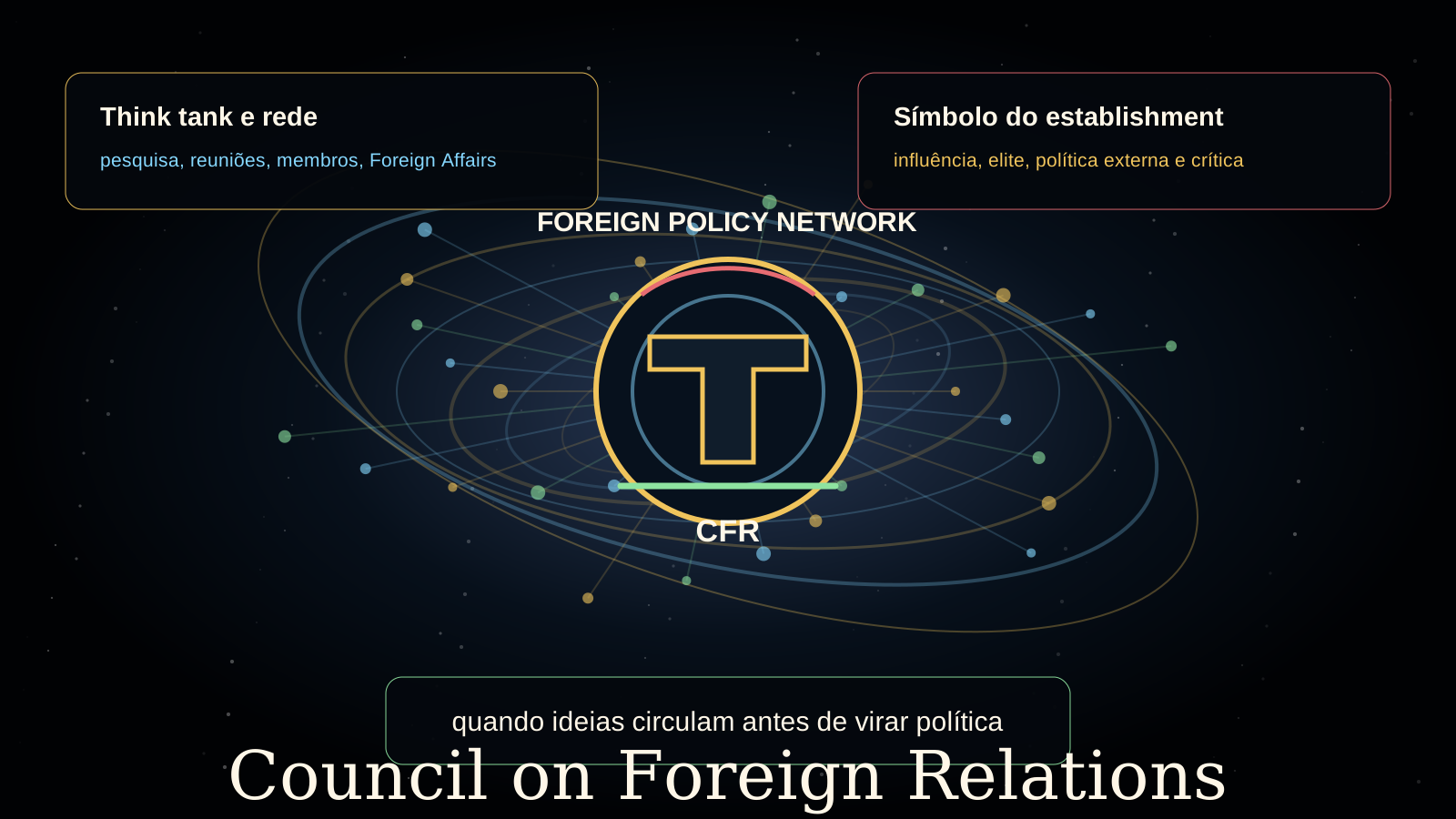
CFR describes itself as an organization dedicated to informing U.S. engagement with the world. It produces analysis, books, reports, events, educational programs and publishes Foreign Affairs, one of the most influential journals in international relations since 1922.
In practical terms, CFR functions as a place where experts, scholars, diplomats, military leaders, journalists, business figures, former public officials and policymakers discuss security, economics, war, trade, technology, climate, China, the Middle East, Europe and international order.
Why it belongs on AwakenMap
CFR connects with global control, Deep State, Cabal / Deep State / Illuminati, Central Banking, Council of 200, secret societies and the language of The Matrix. The reason is simple: when an institution gathers political, economic, academic and media elites to discuss global strategy, it becomes a symbol of backstage power.
But a symbol is not proof. A mature reading separates three things: the documented existence of an influence network, legitimate criticism of elite consensus, and the speculative claim that CFR secretly controls governments as a single entity.
A think tank is not government, but it is not irrelevant
A think tank does not sign treaties or command armies. It influences through another path: producing language, shaping diagnoses, organizing meetings, building reputations, giving access to networks and helping turn ideas into acceptable policy options.
This kind of power is less visible than an election, but it can be very real. Public policy often begins earlier in reports, seminars, study groups, memos, essays, careers and trusted relationships. That is where CFR matters: as an environment where ideas circulate and gain legitimacy.
The logo as document
The CFR logo is not proof of hidden mystery; it is an institutional identifier. Still, in AwakenMap's imagery, it marks a type of discreet power: closed rooms, reports, diplomacy, social capital and technical language.
The important point is not to confuse the aesthetics of authority with omnipotence. Influence does not mean total control.

Foreign Affairs and the making of consensus
Foreign Affairs is central to the theme. The magazine publishes essays by diplomats, scholars, political leaders and specialists, and often anticipates the vocabulary of major strategic debates. It does not force governments to act, but it helps define which ideas look serious, responsible or possible.
This is the subtle point: consensus does not arise only through direct orders. It arises when certain questions are repeated, certain authors are invited, certain threats are prioritized and certain paths appear to be the only adult options in the room.
Membership, doors and access
CFR is also a membership organization. Its own communications emphasize individual and corporate members, events and meetings with officials, experts and leaders. This makes the institution valuable as an access network: people who decide, advise, fund, narrate and implement policy meet in the same ecosystem.
Legitimate criticism appears when that access feels distant from ordinary publics. Major conversations can be formally open in a democracy while still being socially filtered by elite circles.
The fear of invisible government
CFR has appeared for decades in narratives about invisible government, globalism and control. Part of this comes from the profile of its members and guests: figures from state, finance, media, universities, foundations and corporations. Part comes from the fact that foreign policy is often less transparent than domestic politics.
The error is to turn every elite meeting into a secret command. The useful question is how elites produce consensus, how they move between government and private sectors, what conflicts of interest exist and how international decisions can evade public scrutiny.
CFR, Central Banking and financial power
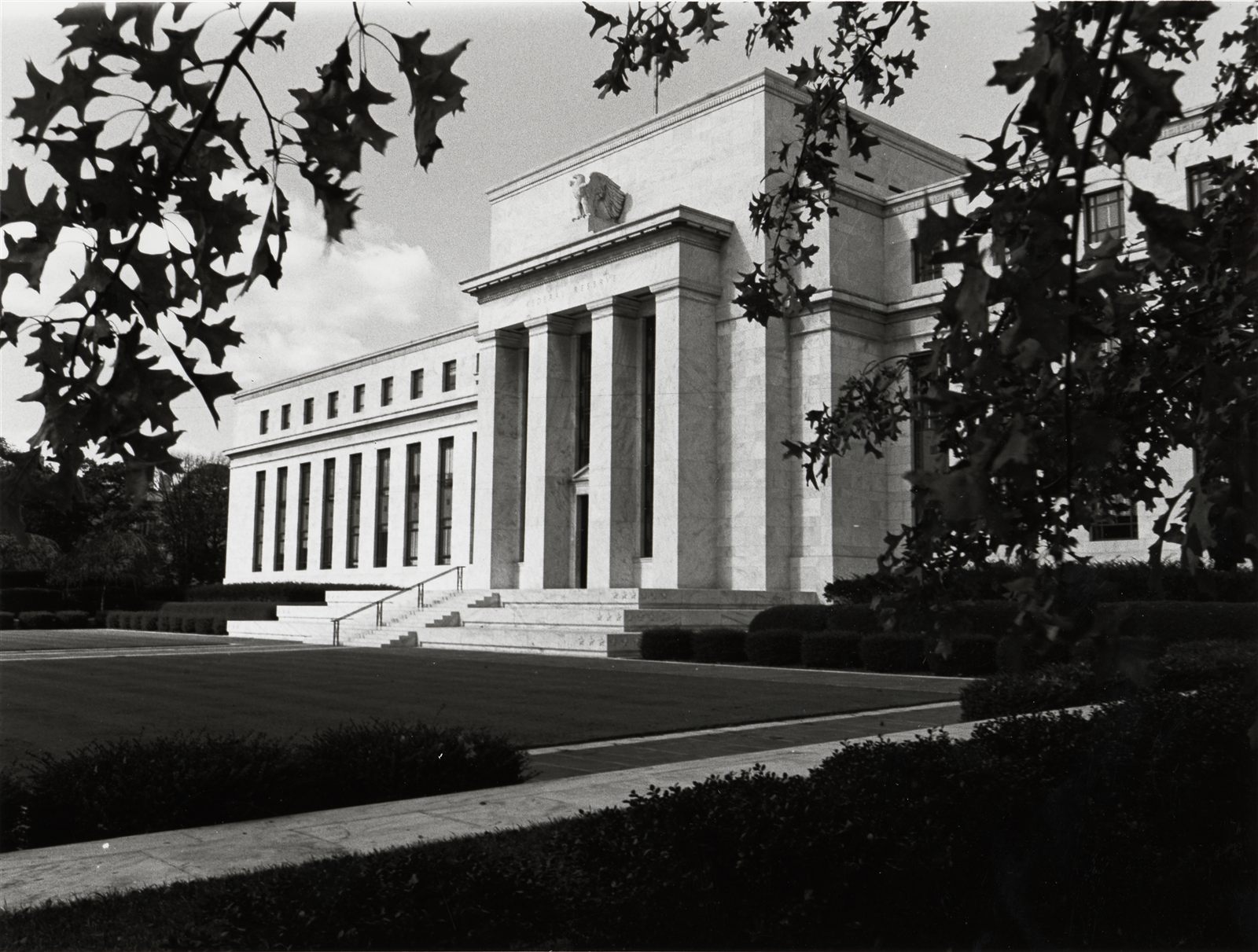
The connection with Central Banking runs through international economic policy, the dollar, sanctions, debt, multilateral institutions, trade and financial stability. CFR is not a central bank, but foreign policy debate often passes through the architecture of global finance.
That is why CFR and Central Banking form a path of institutional power in the map: one side debates international order; the other manages the monetary infrastructure that supports part of that order.
Elite is not the same as conspiracy
Elites exist. Power networks exist. Revolving doors exist. Donors, boards, foundations, corporations and universities influence what becomes serious policy. None of this requires fantasy to be important.
At the same time, calling everything "Cabal" can erase the real mechanism. Instead of studying processes, it becomes a totalizing story where every fact confirms the thesis. A better reading is more demanding: follow documents, positions, funding, publications, meetings, interests and outcomes.
How to read CFR on AwakenMap
On AwakenMap, CFR should be read as a node of discursive power. It represents not only one specific organization, but a modern form of influence: producing ideas, legitimizing experts, creating meetings and organizing the language through which countries understand threats and opportunities.
The theme is strongest when it avoids two extremes: naivety, as if think tanks were neutral and powerless; and paranoia, as if every international debate were theater controlled by one room.
How to continue on the map
After this theme, explore global control, Deep State, Central Banking, Cabal / Deep State / Illuminati, Council of 200 and secret societies. This path moves through elite networks, finance, foreign policy, backstage power and institutional criticism.
Simple summary
CFR is the Council on Foreign Relations, an influential foreign policy organization founded in 1921. It produces analysis, events, publications and expert networks. The theme matters because it shows how ideas and people circulate before becoming public policy, and why that fuels both legitimate criticism and conspiracy narratives.
References and starting points
- Council on Foreign Relations - About CFR
- Council on Foreign Relations - Mission Statement
- Council on Foreign Relations - Annual Report 2025
- Council on Foreign Relations - Membership
- Council on Foreign Relations - Corporate Program
- Foreign Affairs - Magazine published by CFR
- CFR Education
- ProPublica Nonprofit Explorer - Council on Foreign Relations Inc.
- Princeton University Library - Council on Foreign Relations Records, 1918-2018
- Wikimedia Commons - Harold Pratt House 004.JPG
- Wikimedia Commons - Council on Foreign Relations.svg
FAQ
Is CFR a secret organization?
No. CFR has a public website, reports, events, tax records and publications. Some meetings may use confidentiality rules, but that does not make the institution secret.
Does CFR control the U.S. government?
There is no solid evidence of direct control. There is, however, influence, elite networking and circulation of people among think tanks, government, media, universities and companies.
Why does CFR appear in conspiracy theories?
Because it brings powerful actors together and works on foreign policy, an area naturally associated with secrecy, diplomacy and high-impact decisions. That makes exaggerated readings easier.
Keep exploring
You can open another path
 Control systems Deep State 4/5 intensity Explore →
  Control systems Global Control 4/5 intensity Explore → Control systems Global Control 4/5 intensity Explore →
  Control systems Council of 200 4/5 intensity Explore →
  Control systems Central Banking 3/5 intensity Explore →
  Control systems CIA 3/5 intensity Explore →
Join the conversation
Comments are moderated. Keep the discussion respectful and distinguish evidence, interpretation and personal experience.