
Connection level
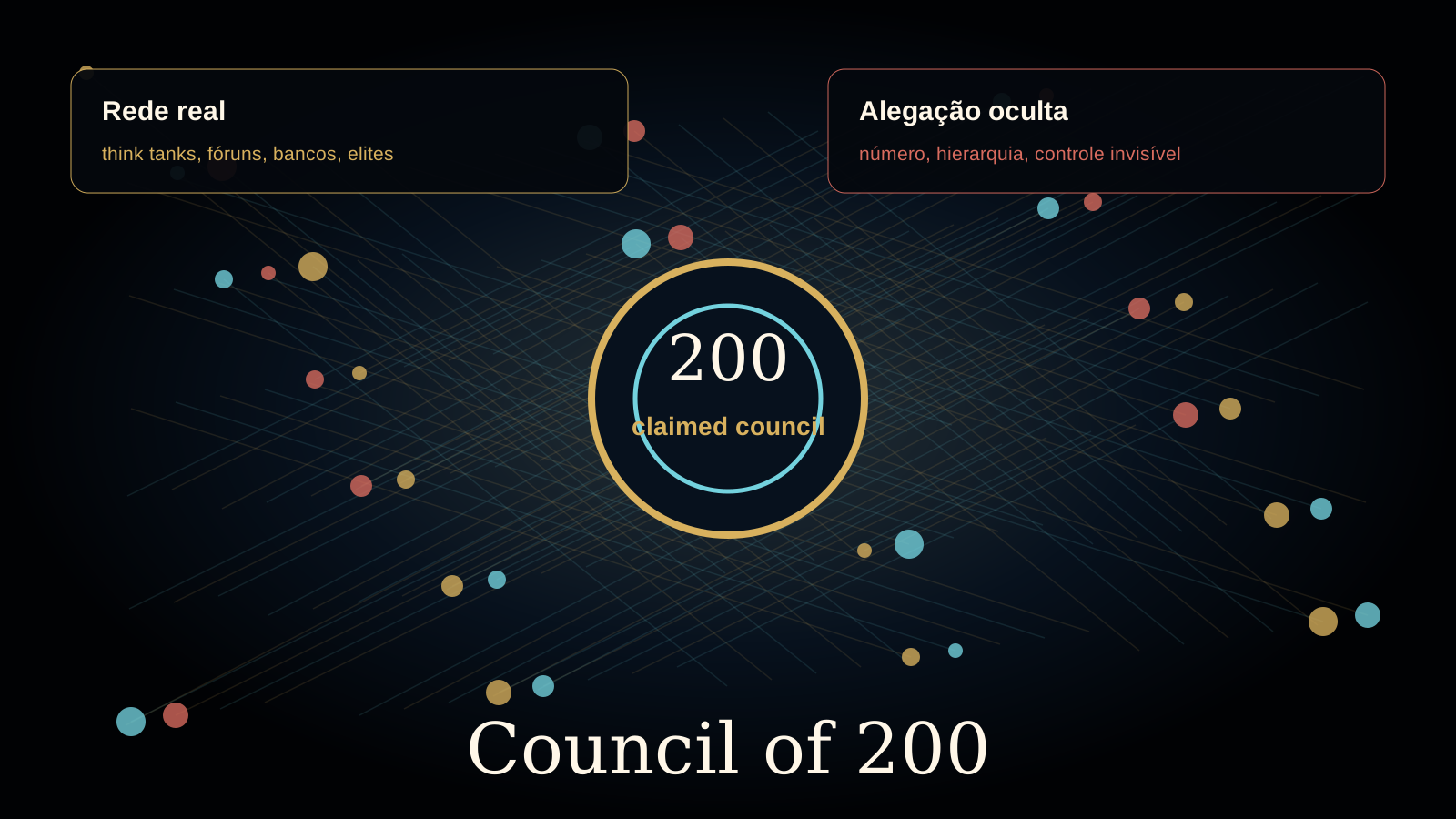
6 direct connectionsCouncil of 200 is an expression used in global-control narratives to suggest the existence of a small elite group coordinating institutions, finance, politics, media and international agendas. On AwakenMap, the theme should be read as a conspiratorial and symbolic claim, not as an organization proven by public documentation.

What Council of 200 means
The phrase points to a simple and powerful idea: there would be a small, closed and invisible layer above public institutions. The number 200 works more as a symbol of selected elite than as a verifiable data point.
It is important to distinguish this theme from real organizations. Forums, banks, foundations, think tanks and private meetings with documented influence do exist. That is different from proving that they all obey a formal, secret and centralized "Council of 200".
Why it belongs on AwakenMap
The theme connects with CFR, Central Banking, secret societies, Cabal, Deep State and global control. It appears where the question shifts from "who has influence?" to "is there a hidden hierarchy behind the visible hierarchies?".
This question is common in global-elite narratives. It can grow out of real facts, such as lobbying, money, private diplomacy and revolving doors, but it can also jump to conclusions without enough evidence.
Relation to the Committee of 300
In conspiracy culture, Council of 200 often appears near terms such as Committee of 300, Tavistock, CFR, Bilderberg, banking families and world government. A recurring reference is John Coleman's book Conspirators' Hierarchy: The Story of the Committee of 300, which popularized a hierarchical version of these claims.
The fact that a work exists and circulates does not make its claims proven. It matters as a source of the imaginary, not as historical confirmation.
Finance and influence
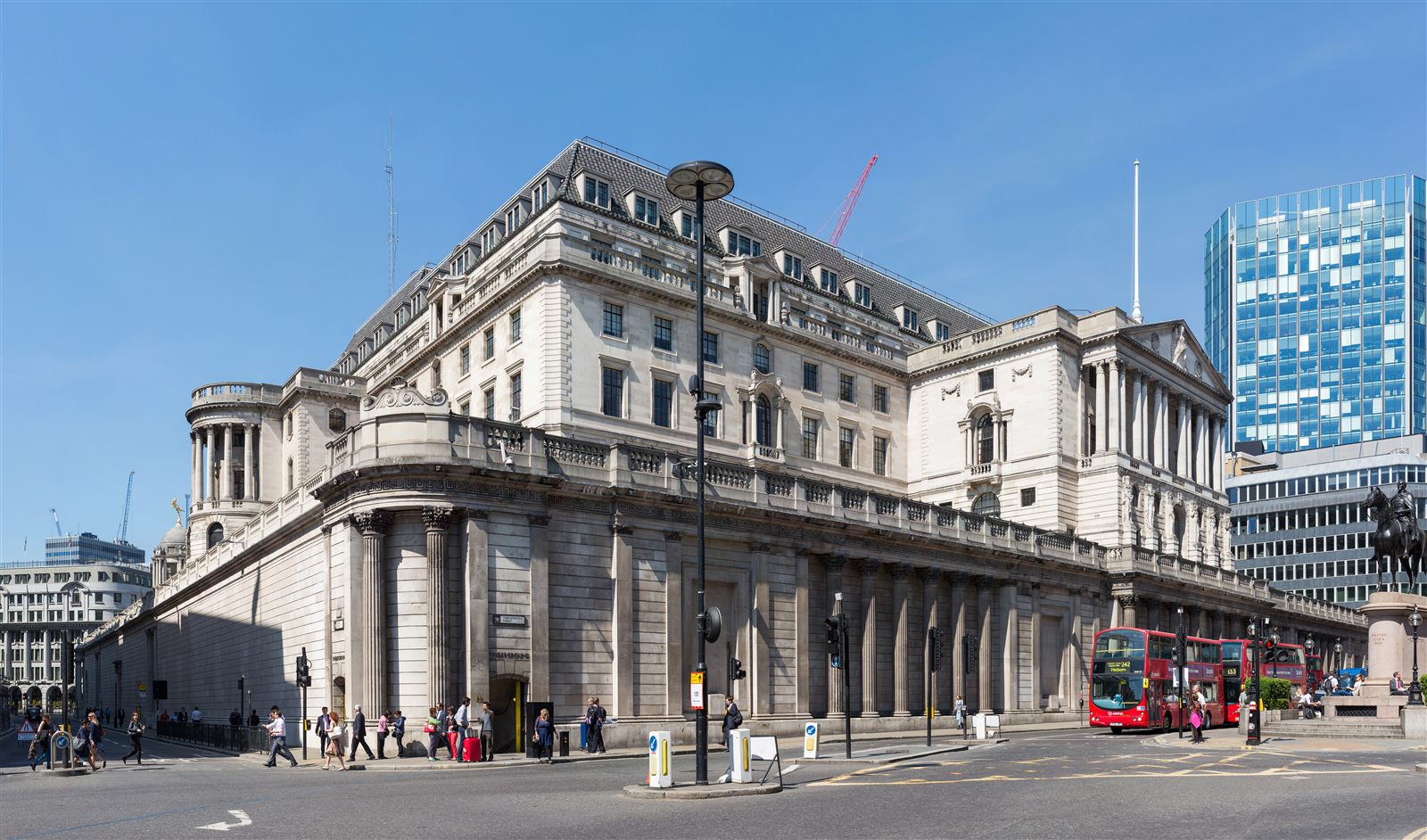
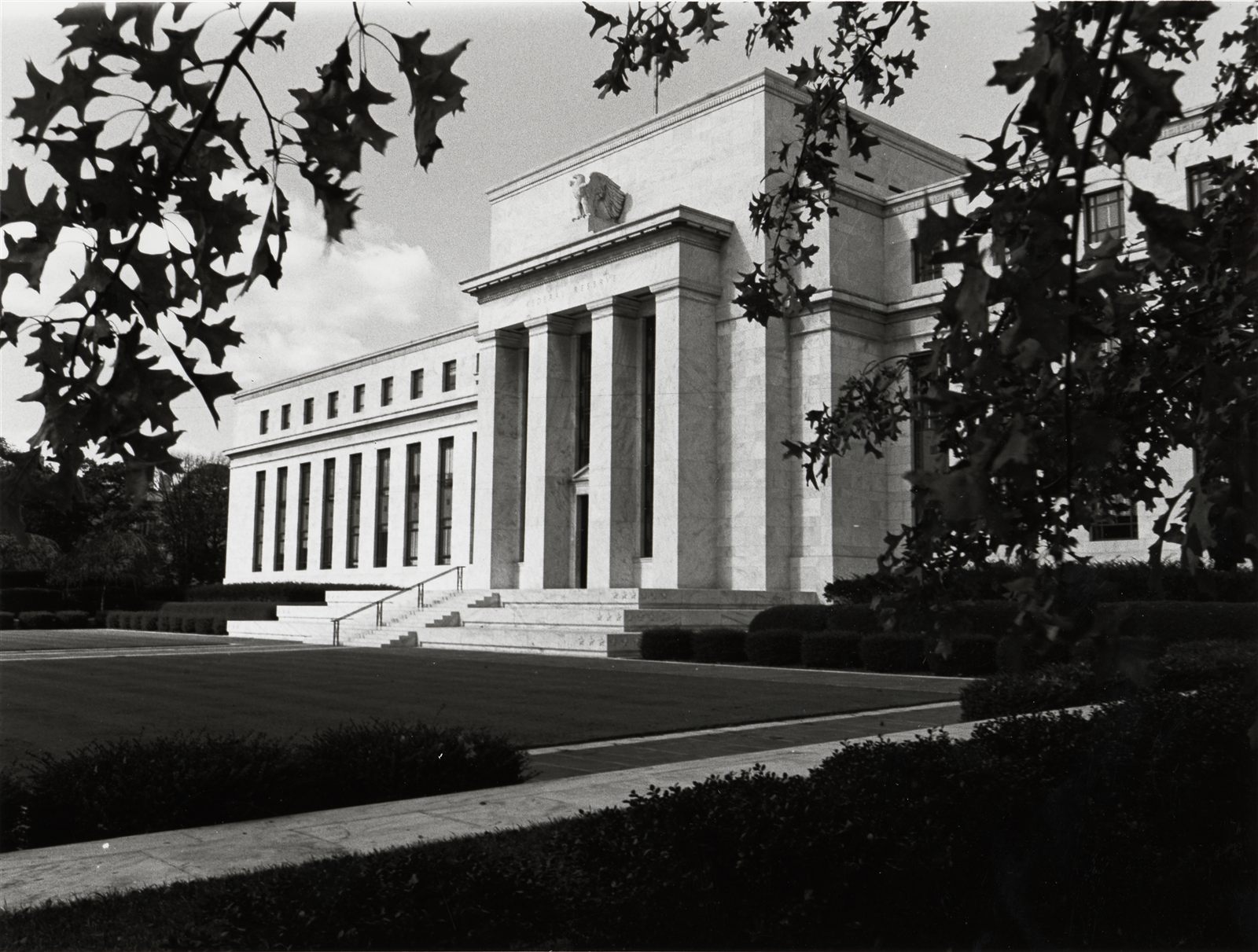
Real financial institutions influence the world because credit, currency, debt, interest rates and regulation shape governments and markets. This helps explain why themes like Council of 200 connect to central banks.
The editorial distinction is crucial: documented structural influence is not the same as unified secret command.
What can be documented
It can be documented that institutions such as CFR, WEF, BIS and Bilderberg bring together leaders, specialists, executives, diplomats and influential people. It can also be documented that private meetings and elite networks can shape agendas, language and priorities.
But documenting influence is not the same as documenting total control. A network can have power without being omnipotent; it can have conflicting interests; it can fail; it can be transparent in some parts and opaque in others.
Why the idea is seductive
The image of a secret council simplifies a complex world. Instead of thousands of decisions, interests, crises and disputes, it offers a single narrative: someone is coordinating everything. This can be emotionally strong because it turns chaos into design.
The problem is that too much simplification can erase reality. Real power is often distributed, competitive, bureaucratic, economic and cultural, not only a table with 200 people.
How to read without naivety or paranoia
The useful path sits in the middle. Naivety would be saying elite networks do not matter. Paranoia would be saying every world event comes from a secret order. AwakenMap reads Council of 200 as a tension point between institutional critique and the myth of absolute control.
Good questions are: which institution? which document? which funding? which meeting? which decision? what evidence connects one thing to another?
Difference from Cosmic Council
Despite the similar name, Council of 200 is not the same as Cosmic Council. Cosmic Council is a spiritual/cosmic image. Council of 200 is a political-conspiratorial narrative about human elites, institutional power and hidden government.
How to continue on the map
After this theme, explore CFR, Central Banking, secret societies, Cabal, Deep State and global control. This path helps separate real institutions, influence networks and claims without enough public basis.
Simple summary
Council of 200 is a narrative about a hidden elite coordinating global power. It connects with CFR, central banks, secret societies and Cabal, but should not be presented as proven fact. The value of the theme is investigating how real influence networks become myths of total control.
References and starting points
- Google Books - Conspirators' Hierarchy: The Story of the Committee of 300
- CIA Abbottabad collection PDF - Conspirators' Hierarchy
- CFR - The Council on Foreign Relations Marks Its One Hundredth Anniversary
- CFR - Celebrating a Century Timeline
- Bank for International Settlements - About BIS
FAQ
Is the Council of 200 proven to exist?
There is no reliable public documentation proving a formal council of 200 people controlling the world. The theme appears mainly as a conspiratorial narrative.
Does this mean elites have no influence?
No. Economic, political and institutional elites have real influence. The point is to distinguish documented influence from total secret control.
Why the number 200?
In many narratives, the number works as a symbol of a restricted circle. Without a verifiable source, it should be treated as part of the theory's mythic language.
Keep exploring
You can open another path
 Control systems Central Banking 4/5 intensity Explore →
  Control systems Deep State 4/5 intensity Explore →
  Control systems Global Control 4/5 intensity Explore → Control systems Global Control 4/5 intensity Explore → Control systems Council on Foreign Relations 4/5 intensity Explore →
  Esoteric practices Cosmic Council 2/5 intensity Explore →
Join the conversation
Comments are moderated. Keep the discussion respectful and distinguish evidence, interpretation and personal experience.