
Connection level
58 direct connectionsMeditation is one of the most grounded practices in AwakenMap: a way to train attention, observe the mind and stabilize inner experience. This English version keeps the same editorial position used across AwakenMap: open to symbolic and alternative readings, but careful about evidence, interpretation and psychological impact.
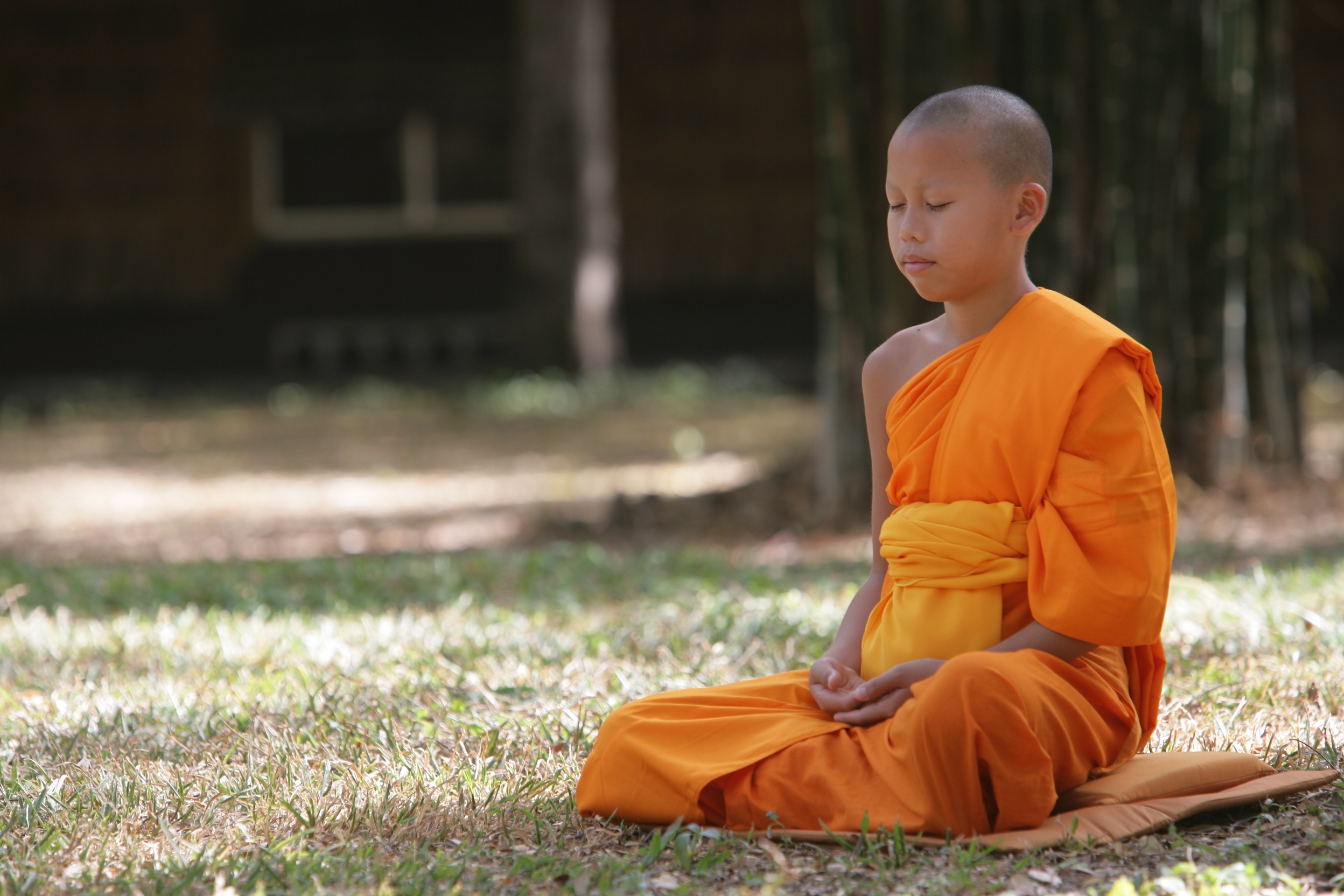
What this theme means
Meditation belongs to the field of attention, inner discipline and spiritual practice. It is not only a search term or isolated theory. Inside AwakenMap, it works as a node: a point where history, symbolism, personal experience, cultural memory and speculative narratives meet.
The value of the theme is not in forcing one final explanation. Its value is in seeing how different communities use the same image to ask deeper questions about reality, power, consciousness, memory and human possibility.
Why it matters inside AwakenMap
AwakenMap was built as a map of relationships. A subject becomes important when it connects many other subjects and helps reveal a wider pattern. Meditation matters because it links visible facts with invisible meanings: documented history, mythic language, personal experience and the desire to understand what may have been hidden, forgotten or misunderstood.
For some readers, the theme is primarily spiritual. For others, it is historical, psychological, technological or conspiratorial. A mature reading allows these layers to be compared without collapsing them into a single certainty.
Symbolic layer
Every strong AwakenMap theme has a symbolic layer. The symbol may be a place, a practice, a document, a technology, a state of consciousness or a lost civilization. Symbols persist because they organize attention. They give people a way to speak about anxiety, hope, transformation and the unknown.
In this sense, Meditation should be read as both content and mirror. It tells us something about the subject itself, but it also tells us what modern seekers fear, desire and expect from hidden knowledge.
Critical reading
A critical reading does not mean a closed mind. It means asking better questions. What is documented? What is inferred? What is symbolic? What depends on testimony, tradition, channeling, speculation or internet repetition? What would count as stronger evidence?
This is especially important in topics that touch trauma, secret programs, health, spirituality or extraordinary claims. The AwakenMap approach is to keep curiosity alive while avoiding blind belief, panic or spiritual inflation.
Connections on the map
This page connects especially with Collective Consciousness, Mass Meditation, Rigpa Meditation. These connections do not mean that every claim is literally true. They show how ideas travel through the map and how one theme becomes meaningful when placed beside related themes.
Following these links is often more useful than reading a theme in isolation. The network reveals repetition: the same concerns about power, memory, consciousness, ancient knowledge, hidden systems and transformation appear in different forms.
How to use this page
Use this article as an entry point, not as a final verdict. Read the theme, return to the globe, and notice which nearby nodes appear. The question is not only whether one story is true, but why this story connects to so many others and what kind of worldview it creates.
FAQ
Is Meditation treated as fact in AwakenMap?
AwakenMap treats it as a mapped theme. Some parts may be historical or documented, while others may be symbolic, speculative, controversial or spiritual.
Why include controversial themes?
Because controversial themes shape culture, belief and attention. Mapping them carefully helps readers compare claims instead of consuming them in isolation.
What is the best way to read this topic?
Read with openness and rigor at the same time. Let the theme raise questions, but keep evidence, context and personal discernment in view.
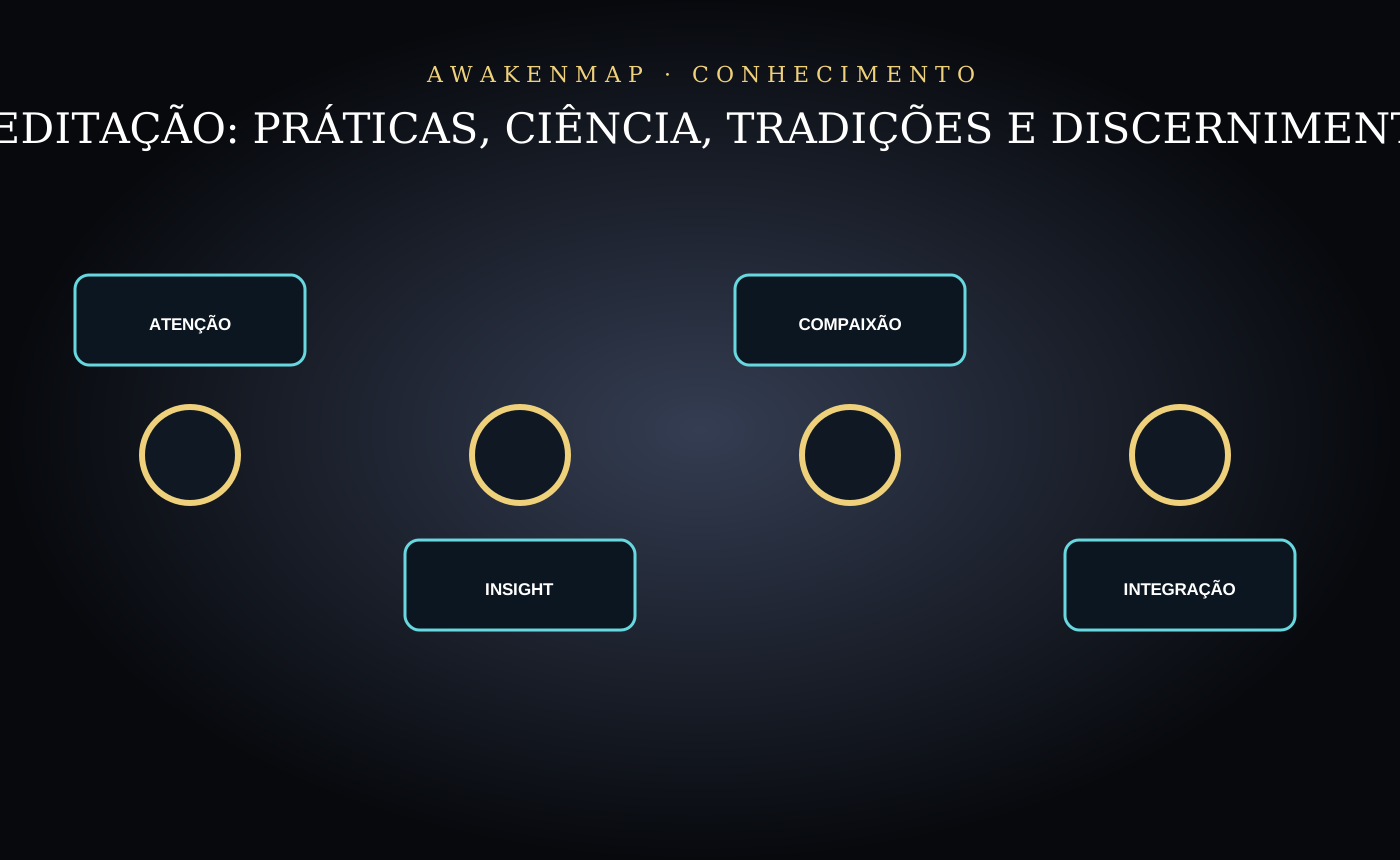
Concentration, inquiry and cultivation
A useful distinction separates stabilization, inquiry and cultivation. Concentration repeatedly returns attention to an object such as breath, sound or image. Inquiry observes sensation, thought and identity to understand how they arise and pass. Cultivation strengthens qualities such as compassion, equanimity, gratitude or devotion.
These families may combine, but they do not produce exactly the same effects. A calming bedtime exercise does not replace philosophical investigation of experience; a devotional visualization should not be judged by the same standards as a clinical mindfulness protocol. Naming the method prevents vague promises.
Shamatha and vipassana
Shamatha is commonly translated as calm abiding or tranquillity. Training develops stability, clarity and continuity of attention. Vipassana relates to insight: observing impermanence, unsatisfactoriness, conditioning and the absence of a fixed self. In many traditions, calm and insight support one another.
In the West, “Vipassana” also names particular movements and retreat systems. The same word can indicate a broad contemplative quality or an institutional method. Lineage history, instruction and ethics therefore matter alongside the apparently simple technique.
Zazen, mantra and contemplative prayer
Zazen includes attention to posture, breathing, koan or simply sitting. Mantra practices use repeated sound to stabilize mind, devotion and bodily rhythm. Christian contemplative prayer seeks receptive silence before the divine, while Sufi dhikr cultivates remembrance through word, breath and presence.
Placing all of these under “meditation” supports comparison but can erase difference. Some practices seek liberation from suffering, others union with God, ethical clarity, ritual concentration or health. Respectful comparison recognizes resemblance without claiming that every tradition says the same thing.
Clinical mindfulness and secularization
Modern programs adapted contemplative elements for hospitals, schools and psychotherapy. Mindfulness-Based Stress Reduction and related interventions use structured exercises, secular language and guidance. Research suggests possible benefits for stress, anxiety, recurrent depression, pain and quality of life, but results vary.
“Evidence based” does not mean guaranteed or superior for every problem. Studies differ in quality, duration, comparison group and participant profile. Meditation may complement professional care; it should not replace necessary treatment through promises of universal healing.
The meditating brain without neuromyth
Neuroimaging examines attention, emotional regulation, body awareness and networks associated with self-referential thought. Changes observed after training are interesting, yet they do not prove enlightenment, dimensional access or permanent personality transformation.
Brain images are statistical interpretations of activity and structure, not photographs of consciousness. Effects depend on experience, method and study design. Science can examine correlates of practice without resolving philosophical questions about mind and reality.
Trauma, dissociation and adverse effects
Prolonged silence and intense attention may uncover anxiety, traumatic memories, depersonalization, insomnia or confusion. Reviews show that unpleasant experiences occur, although frequency and severity depend on how researchers define and measure them.
Safer practice may include shortening sessions, opening the eyes, walking, feeling the feet, seeking guidance or stopping when needed. People in acute distress should consult qualified professionals. Perseverance does not mean ignoring destabilization.
Teacher, community and power
A good teacher explains goals, limits and alternatives, welcomes questions and does not turn ordinary experience into proof of superiority. Communities provide support but may also create pressure, idealization and abuse when spiritual authority escapes ethical accountability.
Discernment includes observing money, sexuality, secrecy, promises and freedom to leave. Contemplative depth does not protect institutions from power problems. Practice should expand autonomy and compassion rather than dependence.
How to begin simply
Begin with five to ten minutes in a comfortable posture. Choose breath, contact with the feet or sound. When attention wanders, recognize it and return without punishment. Moderate regularity is usually more sustainable than heroic sessions followed by abandonment.
At the end, examine concrete effects: is there greater clarity, kindness and capacity to respond? Progress need not appear as ecstasy. Noticing a reaction before acting is already meaningful transformation.
Ethics and daily life
Contemplative traditions often connect meditation with conduct. Attention without ethics may merely make someone more efficient in existing habits. Compassion, honesty and responsibility test whether internal states enter relationships and decisions.
Within AwakenMap, meditation also trains information navigation. Before believing or rejecting a node, notice fear, desire and certainty. A mind that investigates itself becomes less vulnerable both to credulity and automatic cynicism.
Posture: stability without rigidity
Sitting on the floor is not required. A chair, bench, cushion or reclining posture may suit different bodies and purposes. The principle is enough support to remain awake without turning pain into a spiritual test.
Small adjustments change practice: raising the hips, supporting the knees, relaxing the jaw and allowing natural breathing. Persistent pain deserves care rather than heroism. Traditions have adapted posture to different bodies and cultures.
Breath and the nervous system
Observing breath differs from controlling it. Simple attention notices rhythm and sensation; breathwork deliberately changes duration and intensity. Mixing them without guidance can create tension, dizziness or anxiety.
Gentle exhalation and body awareness may support regulation, but claims about “activating” organs or frequencies require specific evidence. Energetic language may guide experience without replacing physiology.
Retreats and intensity
Retreats remove distraction and increase practice hours. Intensity may deepen concentration while amplifying difficulty. Preparation, teacher interviews, sleep, food and permission to reduce the schedule mark a responsible setting.
A retreat is neither competition nor guaranteed shortcut. Integration afterward—work, relationships and rest—is part of practice. Powerful states lose value when they produce arrogance or lasting disorganization.
Compassion and metta
Loving-kindness practice uses phrases and imagery to wish well-being for oneself, close people, strangers and difficult relationships. The goal is not forced pleasant emotion but training a less hostile orientation.
Compassion does not mean tolerating abuse or abandoning boundaries. It may include firm action. The practical measure is whether meditation increases the capacity to recognize suffering and respond without dehumanization.
Mystical experience and interpretation
Unity, luminosity, silence and dissolving boundaries appear in contemplative reports. Experience may be profound without determining one metaphysics. Buddhists, Christians, secular practitioners and researchers can interpret it differently.
Separating description from explanation preserves honesty. “I felt no separation” is direct testimony; “I proved the universe is one mind” is a philosophical conclusion requiring additional argument.
Sleep, drowsiness and altered states
Relaxation may bring the mind close to sleep, but meditation and falling asleep are not identical. Drowsiness reduces clarity and continuity; some practices aim to preserve lucidity while the body rests. If the purpose is sleep, gentle guidance may help. For inquiry, an upright posture, partly open eyes and a suitable time support presence.
Spontaneous imagery, expansion and altered time perception may arise between waking and sleep. They need not be treated as supernatural messages or dismissed. Describe the phenomenon first; then consider context, expectation, physiology and cultural interpretation.
Measuring progress
Accumulated minutes, app streaks and intense experiences are easy but limited measures. More useful indicators appear in ordinary life: recognizing emotion earlier, tolerating discomfort without impulsive action, listening better, repairing harm and ending a session when it is no longer safe.
A short journal can record method, duration, previous state and later effects. Patterns become visible after several weeks and help refine practice. Journaling should not become obsessive surveillance. Meditation matures when it increases flexibility, not when it builds another performance identity.
Technology and commercialization
Apps broaden access to instruction, reminders and brief exercises. They may also reduce ethical and communal traditions to a productivity product. The critical question is not whether technology is spiritual, but which goals, data practices and business models shape the experience.
In schools and workplaces, contemplative programs should be voluntary, culturally sensitive and accompanied by alternatives. Teaching individuals to breathe cannot correct abusive environments, overload or inequality by itself. Attention may support institutional change; it should not merely train people to endure what harms them.
FAQ
Is meditation the same as emptying the mind?
No. Most methods train a different relationship with thoughts rather than their total disappearance. Wandering and returning are part of the exercise.
How long should a beginner meditate?
Five to ten consistent minutes may be enough to begin. Duration should grow according to stability and purpose, not pressure or comparison.
Can meditation replace medical or psychological treatment?
No. It may complement qualified care, but persistent or intense symptoms deserve professional assessment. Practice should be adapted or stopped if it causes destabilization.
References and starting points
- Wikimedia Commons - Novice meditating in forest
- NCCIH — Meditation and Mindfulness: Effectiveness and Safety
- Defining and measuring meditation-related adverse effects
- Adverse events in meditation practices: systematic review
- Mind the Hype: critical evaluation of mindfulness science
Keep exploring
You can open another path
 Consciousness and symbols Service to Others 5/5 intensity Explore →
  Consciousness and symbols Consciousness Renaissance 5/5 intensity Explore →
  Return to Source Dream Yoga 5/5 intensity Explore →
  Esoteric practices Dzogchen 5/5 intensity Explore →
  Return to Source End to Suffering 5/5 intensity Explore →
  Healing and energy Higher Mind 5/5 intensity Explore →
Join the conversation
Comments are moderated. Keep the discussion respectful and distinguish evidence, interpretation and personal experience.