Connection level
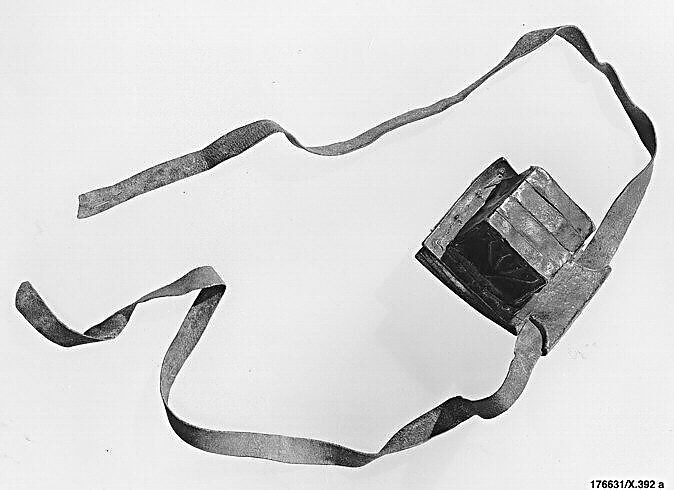
15 direct connectionsBlack Cube is a symbol read through many layers: Saturn, occultism, religion, sacred architecture, public art, archetypes and modern esoteric interpretations. Its force comes from the cube itself: order, limit, weight and center; when it appears in black, it gains mystery, silence, shadow and symbolic depth.
Why the cube grips the imagination
The cube is one of the most stable forms in sacred geometry. It has six faces, twelve edges and eight vertices. Unlike the sphere, which suggests flow, the cube suggests structure. Unlike the pyramid, which points upward, the cube seems to anchor something in the material world.
When it is black, the reading changes: it becomes block, secret, stone, box, altar, tomb, satellite, prison or seed. That is why the symbol works in spirituality, science fiction, design, urban art and narratives of control.
Kaaba: the most remembered sacred cube
When people speak of a black cube, many think of the Kaaba at the center of the Great Mosque of Mecca. Sources such as Smarthistory and the British Museum treat the Kaaba as a central point of Islamic prayer and pilgrimage. It is not a loose "esoteric object"; it is a living part of a religious tradition with history, ritual and community.
The Black Stone is associated with the Kaaba and the ritual of circumambulation. Respectful reading starts there: before becoming a symbol for the internet, the Kaaba is a real sacred place for millions of Muslims.
The risk of the visual shortcut
The same form can appear in different traditions without meaning that all of them belong to the same secret plan. Sometimes a shape repeats because it is simple, strong and easy to recognize.
The Black Cube becomes interesting when we compare real uses, not when we mix everything as if one image explained the whole world.
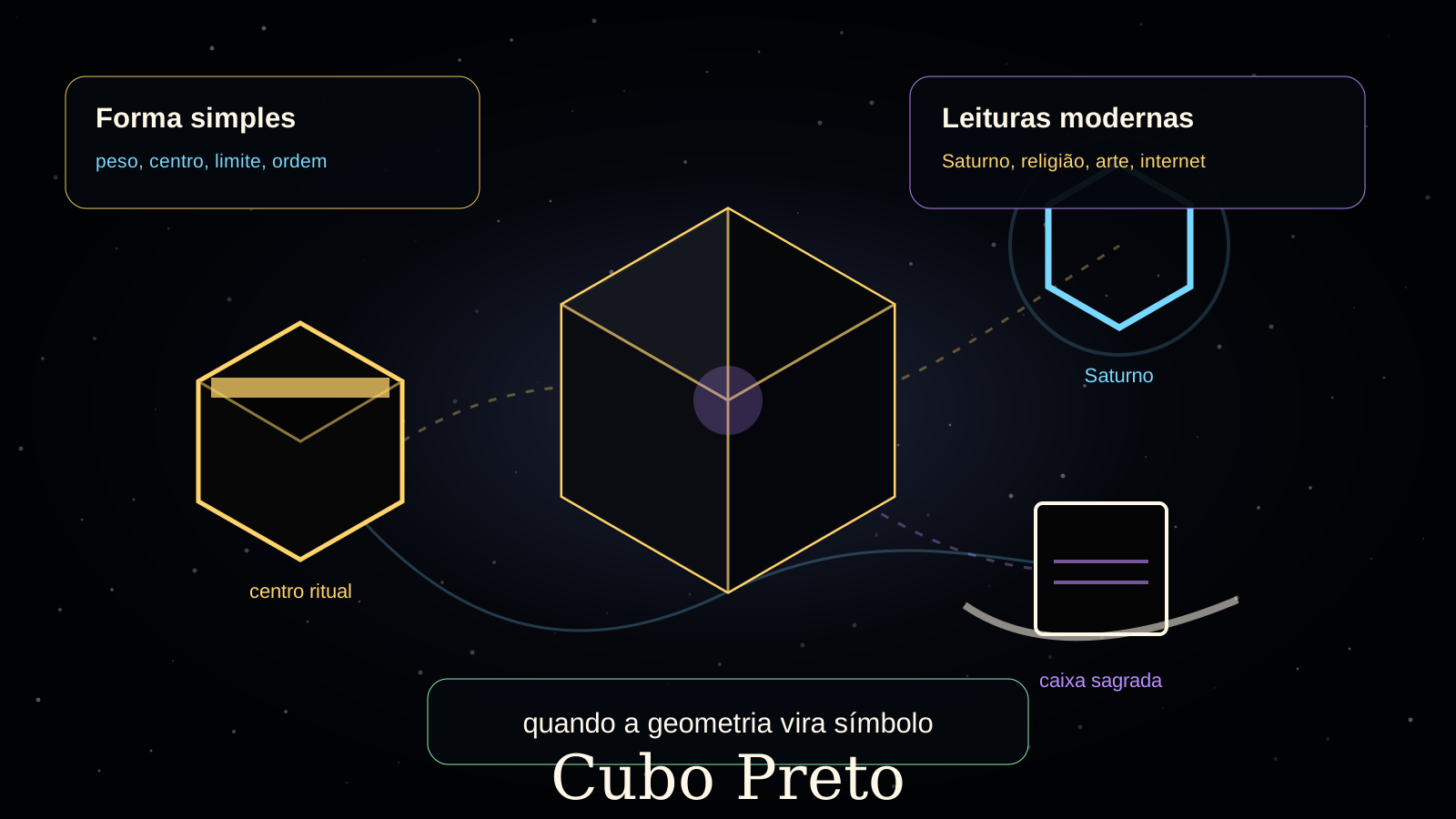
Tefillin: a small dark box on the body
In Judaism, tefillin are small leather boxes containing Torah texts, worn during prayer. The Met describes the object as a box containing parchment scrolls and notes that its ritual form has a long historical continuity, with ancient finds connected to Qumran and the Judean Desert.
Here the cube does not represent a conspiracy. It functions as a sacred container: holding text, memory, covenant, discipline and bodily gesture. The box is connected with head and arm, meaning thought and action.
Saturn and the hexagon that became a cube online
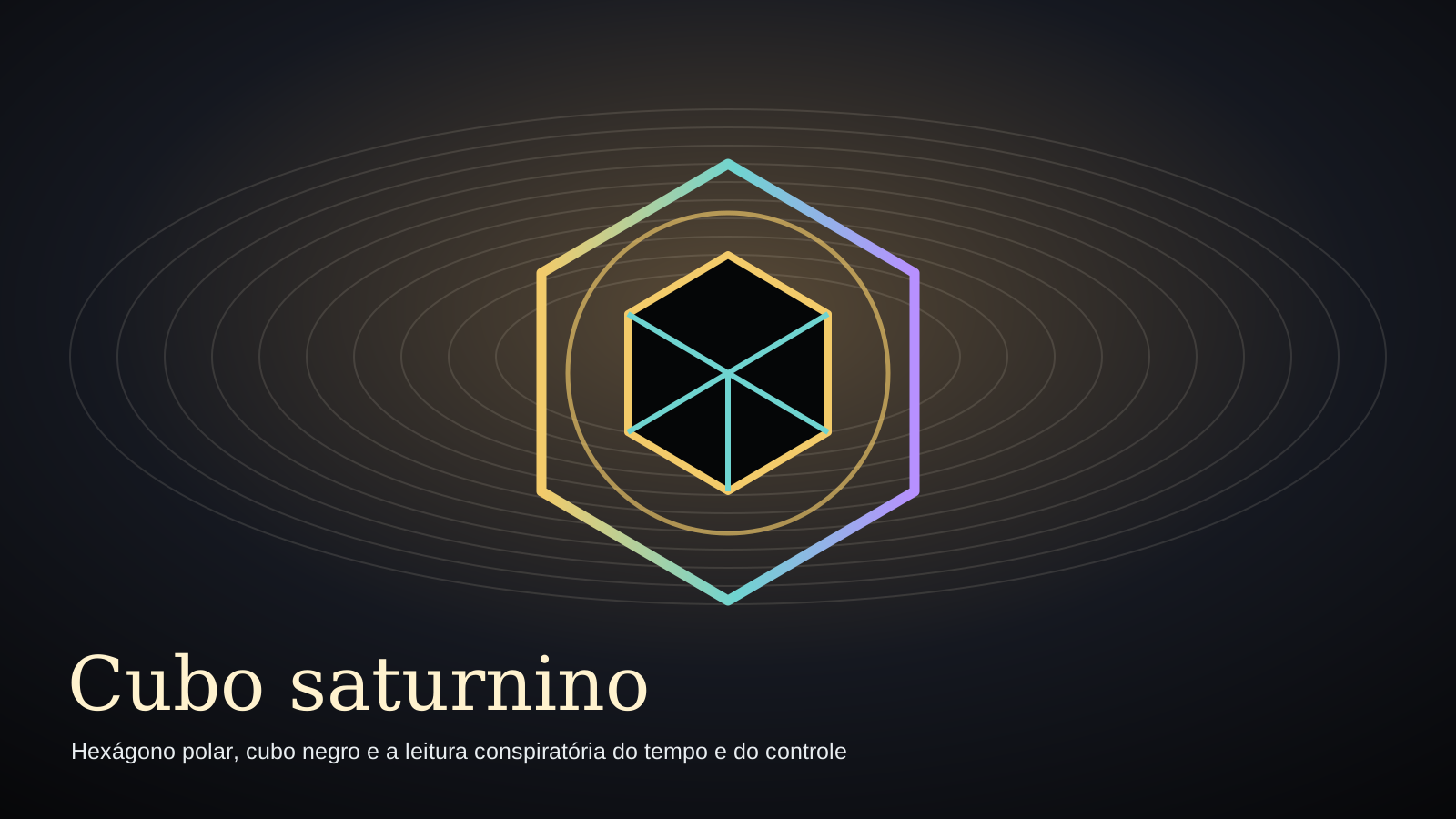
NASA shows that Saturn has an enormous hexagonal pattern at its north pole, first observed by Voyager and later studied by Cassini. It is a jet stream with a geometric shape, not an artificial construction.
In online esoteric culture, that hexagon was linked to the cube because a cube drawn in perspective can look like a hexagon. The visual bridge is real as geometry, but it does not prove that Saturn is sending a hidden symbol to Earth. What matters is how a scientific image becomes a modern myth.
The Black Cube in Freemasonry
In some Masonic contexts, the expression "black cube" appears in connection with secret balloting: white balls and black balls or cubes indicate acceptance or rejection of a candidate. Masonic encyclopedias record this use as part of voting systems.
That detail helped strengthen the symbol's aura: a small black cube can decide entry, exclusion, silence and belonging. It is easy to see why the image became powerful in narratives about closed societies.
Public art: the cube people touch
Tony Rosenthal's "Alamo", installed in Astor Place, New York, in 1967, shows another side of the symbol. It is a large black steel cube made for public space, and it became a meeting point and urban interaction object.
In this case, the cube hides nothing. It stands in the middle of the city, heavy and playful at the same time. People spin it, touch it, photograph it and turn an abstract form into collective experience.
Cube, matter and limit
In esoteric readings, the cube is often associated with matter, density, the manifested world and the idea of limit. It can represent reality organized as space, rule and form. That is why it connects with themes such as Merkaba and sacred geometry.
The black cube, in that sense, can be read as matter in its most closed state: a box that contains something, protects something or imprisons something. The interpretation depends on the symbolic system being used.
Why it appears in control theories
The symbol is perfect for control narratives because it joins three strong ideas: rigid form, dark color and a sense of secrecy. The human mind searches for patterns; when it sees black cubes in religion, art, film and technology, it tends to connect everything into one story.
That connection can produce interesting symbolic reading, but it needs care. Comparing symbols is different from claiming they all have the same origin or intention.
The cube in digital culture
In the age of artificial intelligence, the black cube also recalls servers, closed boxes, monoliths, smart devices and systems that work inside without showing their mechanisms. It becomes a metaphor for opaque technology: small on the outside, enormous on the inside.
That is why the symbol connects with the Great Awakening: the reader looks at the cube and asks what is inside, who controls the box and whether there is a way out.
What remains after the exaggeration
What remains is a very strong symbol. The Black Cube crosses religion, art, science, internet culture and imagination because it offers a simple form for large questions: where is the center? What is hidden? What limits us? What holds memory?
It does not need to be a single key to everything. It works better as a mirror: each tradition places inside it what it considers sacred, dangerous, secret or fundamental.
How to continue on the map
After this theme, follow sacred geometry, Merkaba, the Solar System, the Moon, artificial intelligence and the Great Awakening. This path helps compare geometry, cosmos, matter, technology and spiritual reading without mixing everything into one easy explanation.
Simple summary
The Black Cube is a powerful symbolic form because it joins stable geometry, dark color and a sense of center. It appears in religious, scientific, Masonic, artistic and digital contexts. The most important point is to separate real use, symbolic comparison and unsupported theory.
References and starting points
- The Metropolitan Museum of Art - Phylactery (tefillin), public domain image
- Jewish Museum London - Tefillin
- Chabad - How to Put on Tefillin
- British Museum - Ottoman tile depicting the Masjid al-Haram and the Ka'ba
- Smarthistory / Khan Academy - The Kaaba
- NASA Science - Saturn's Hexagon in Motion
- NASA/JPL - Saturn's Unique Hexagon in Full View
- Universal Freemasonry - Encyclopedia Masonica: Ballot
- Tony Rosenthal Estate - The Alamo
- Village Preservation - The Alamo Turns 50
FAQ
Does the Black Cube have a single origin?
No. The form appears in different contexts. The cube is simple and strong, so diverse cultures and systems can use it in their own ways.
Does Saturn really have a cube?
No. Saturn has a hexagonal pattern at its north pole, studied by NASA. The cube connection comes from a later geometric and symbolic reading.
Do the Kaaba and tefillin prove one secret tradition?
No. They are objects from different religious traditions. They can be visually compared, but they must be respected within their own contexts.
Keep exploring
You can open another path
 Secret Space Program Saturn 5/5 intensity Explore →
  Esoteric practices Saturnian Cube 5/5 intensity Explore →
  Secret Space Program Council of Saturn 4/5 intensity Explore →
  Esoteric practices Hyperdimensional Hexagon 4/5 intensity Explore →
  Secret Space Program Ringmakers of Saturn 4/5 intensity Explore →
  Esoteric practices Hyperdimensional Physics 3/5 intensity Explore →
Join the conversation
Comments are moderated. Keep the discussion respectful and distinguish evidence, interpretation and personal experience.