Connection level
21 direct connectionsGiants belong on AwakenMap through the question of when an origin myth becomes proof of hidden history. The theme looks simple, but it is full of traps: there are truly very tall people, ancient texts about colossal beings, origin myths, archaeological hoaxes, manipulated photos and theories that institutions erased an ancient race from human memory.
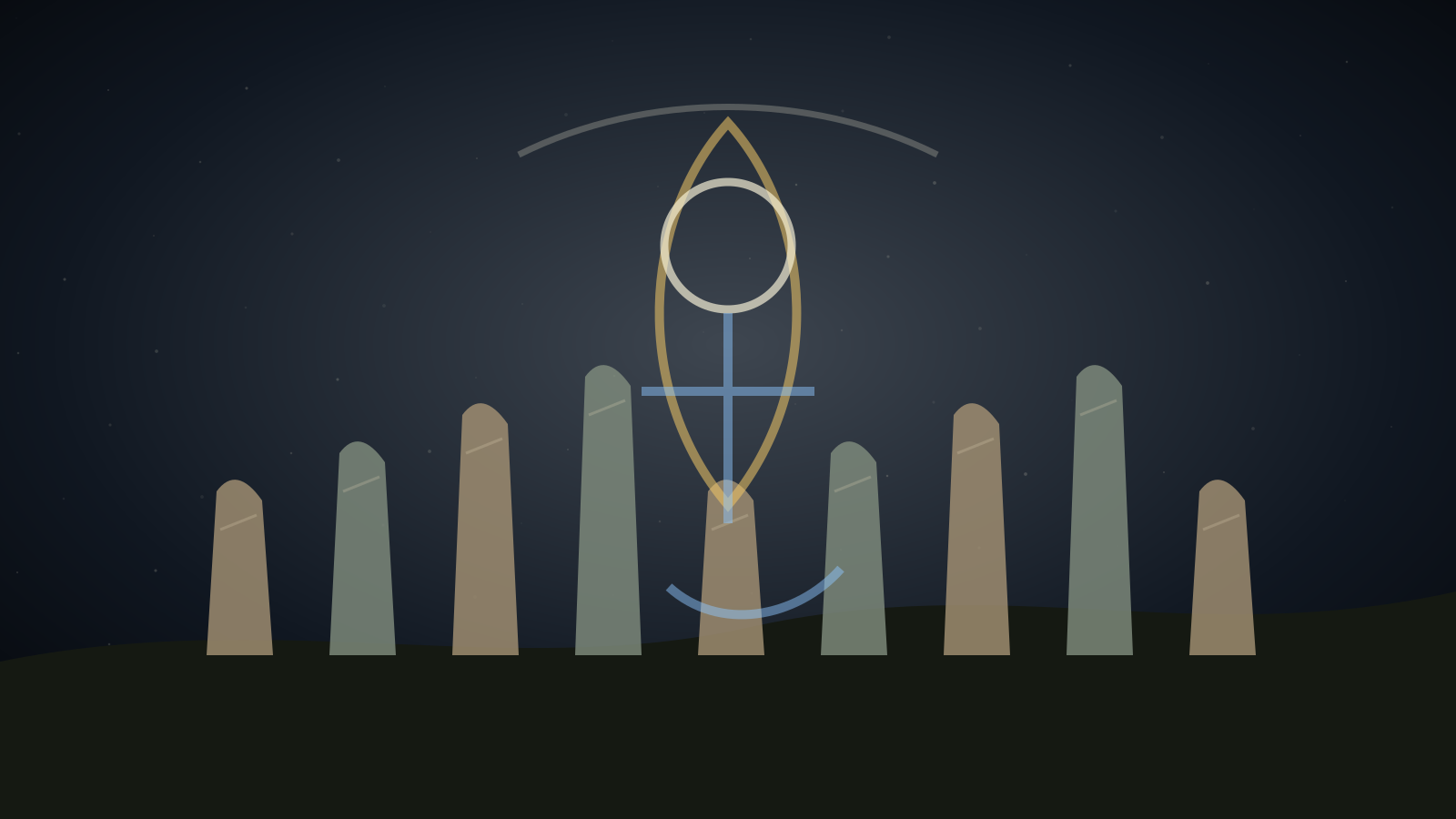
The first layer is textual. In Genesis 6, the Nephilim appear, associated with an enigmatic antiquity and beings of renown. In Numbers 13, Israelite spies describe Canaan's inhabitants as so large that they felt like grasshoppers. The text is brief, strong and ambiguous. It does not provide a full anatomy; it gives an image of awe.
Later Jewish and Christian traditions expanded that image. The Book of Enoch developed the narrative of the Watchers, celestial beings who unite with human women and generate violent giants. That expansion shaped much of the modern imagination: giants stop being only feared peoples and become hybrids between heaven and Earth, remnants of a corruption before the known world.
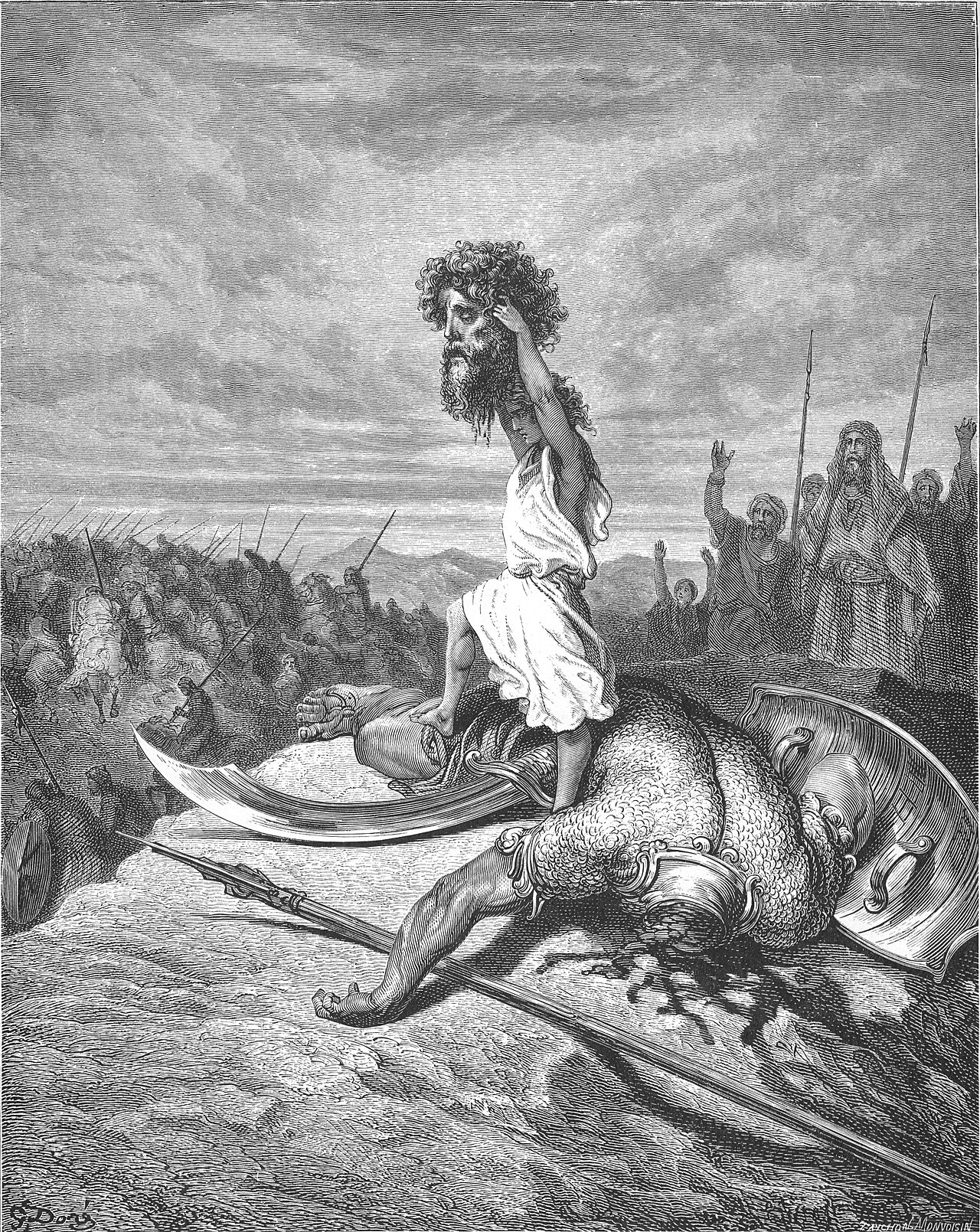
Goliath is the most popular face of this tradition. He is not presented in the same way as the Nephilim of Genesis, but he became the image of the giant warrior: enormous, armed, threatening, defeated by someone smaller. This shows that “giant” is not only about height. Often it is language of empire, fear, violence and disproportionate power.
The conspiratorial layer begins when these texts are treated as direct proof of a global race of giants hidden by museums, universities or governments. The narrative often says enormous skeletons were found, confiscated and erased to protect official history. From there come connections with hidden history, the Ancient Builder Race, megalithic sites, ancient aliens and the Anunnaki.
The reasoning is seductive because it joins two real things: ancient peoples truly spoke of giants, and institutions can truly err, omit or fight over interpretations. But the leap to “there is a suppressed global giant race” requires proportional material evidence: excavation site, archaeological context, dating, report, chain of custody, anatomical comparison and independent access. Without that, the story may be powerful as myth but weak as proof.
There is also a real biological layer. Gigantism is a rare condition tied to excess growth hormone during childhood or adolescence, often associated with the pituitary gland. Acromegaly in adults can also enlarge parts of the body. This shows that extremely tall human bodies exist. But individual medical cases do not prove an entire civilization of ancient giants.
When the theme moves to ancient builders, the argument changes: enormous stones, walls, pyramids and megalithic sites would be too difficult for ordinary humans, so they must have been made by giants. This leap appears near pyramids, megalithic sites, Pre-Adamites, elongated skulls and giants and stasis giants. The problem is that large work does not prove large bodies. Monuments can come from engineering, social organization, tools, time, accumulated knowledge and collective labor.
A concrete case
A concrete case is the Cardiff Giant. In 1869, workers found a figure roughly ten feet long buried in Cardiff, New York. Many visitors believed they were looking at a petrified man, possibly connected to biblical giants. The discovery became a paid attraction, public dispute and national spectacle.
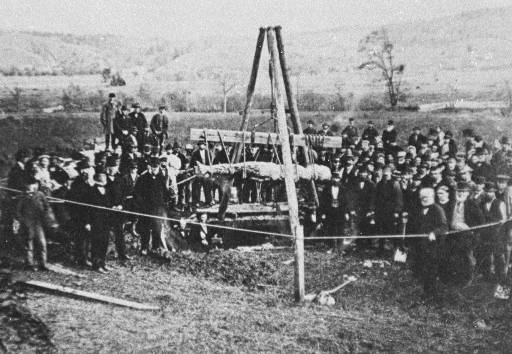
Later, the case was revealed as a hoax. George Hull had commissioned the figure in gypsum, buried it and presented it as a find. The point is not merely to laugh at those who believed. The case teaches something central for AwakenMap: false proof can be socially powerful when it meets a prepared expectation. People wanted Genesis confirmed by a body in the ground.
That pattern continues online. Rumors about Smithsonian giant skeletons, excavation photos with enormous skulls and old headlines return without context. Snopes and National Geographic have traced cases of manipulated imagery and recycled rumor. The theory grows because it touches a real wound: the fear that official history has been made too narrow. But that fear does not replace verification.
That is why giants also speak with inner Earth civilization, pre-human lineages, preserved bodies and lost ancient civilizations. As mythic imagination, the theme is rich. As investigation, it requires one question at a time: who found it? where is it? who measured it? who dated it? who reviewed it? who photographed it? who can examine it again?
Why it belongs on AwakenMap
Giants belong on AwakenMap because they sit between symbolic memory and material proof. They show how humanity uses size to speak about power, fear, ancestry, decline and wonder. They also show how a good story can become certainty before passing through the test of evidence.
A mature reading does not need to mock myth or accept every rumor as discovery. It recognizes that ancient texts preserve deep images, that hoaxes exist, that very tall human bodies exist, and that a hidden global race of giants would still need much stronger public proof.
Simple summary
Giants gather Nephilim, Goliath, the Book of Enoch, ancient builders, archaeological hoaxes and modern rumors of hidden skeletons. The Cardiff Giant shows how false proof can exploit religious expectations and desire for wonder. The theme is strong as origin myth, but the claim of a hidden global race of giants still lacks proportional public evidence.
References and starting points
- Biblical Archaeology Society - who are the Nephilim
- Bible Gateway - Genesis 6 and Numbers 13
- Book of Enoch - Watchers and giants tradition
- Bruce Museum - Cardiff Giant as archaeological hoax
- Snopes - Smithsonian giant skeleton rumor
- National Geographic - fake giant skeleton photo
- Cleveland Clinic - gigantism and excess growth hormone
- Wikimedia Commons - David and Goliath by Gustave Doré
- Wikimedia Commons - Cardiff Giant exhumed in 1869
Keep exploring
You can open another path
 Ancient civilizations Ancient Builder Race 5/5 intensity Explore →
  Esoteric practices Book of Enoch 5/5 intensity Explore →
  Map center Great Awakening 5/5 intensity Explore →
  Esoteric practices Hidden History 5/5 intensity Explore →
  Ancient civilizations Pre-Adamites, Elongated Skulls and Giants 5/5 intensity Explore →
  Ancient civilizations Stasis Giants 5/5 intensity Explore →
Join the conversation
Comments are moderated. Keep the discussion respectful and distinguish evidence, interpretation and personal experience.