Connection level
35 direct connectionsPyramids appear in Egypt, Sudan, Mesoamerica and other regions, but they do not form one tradition. Explore construction, astronomy, religion and lost-technology theories.
One shape, many histories
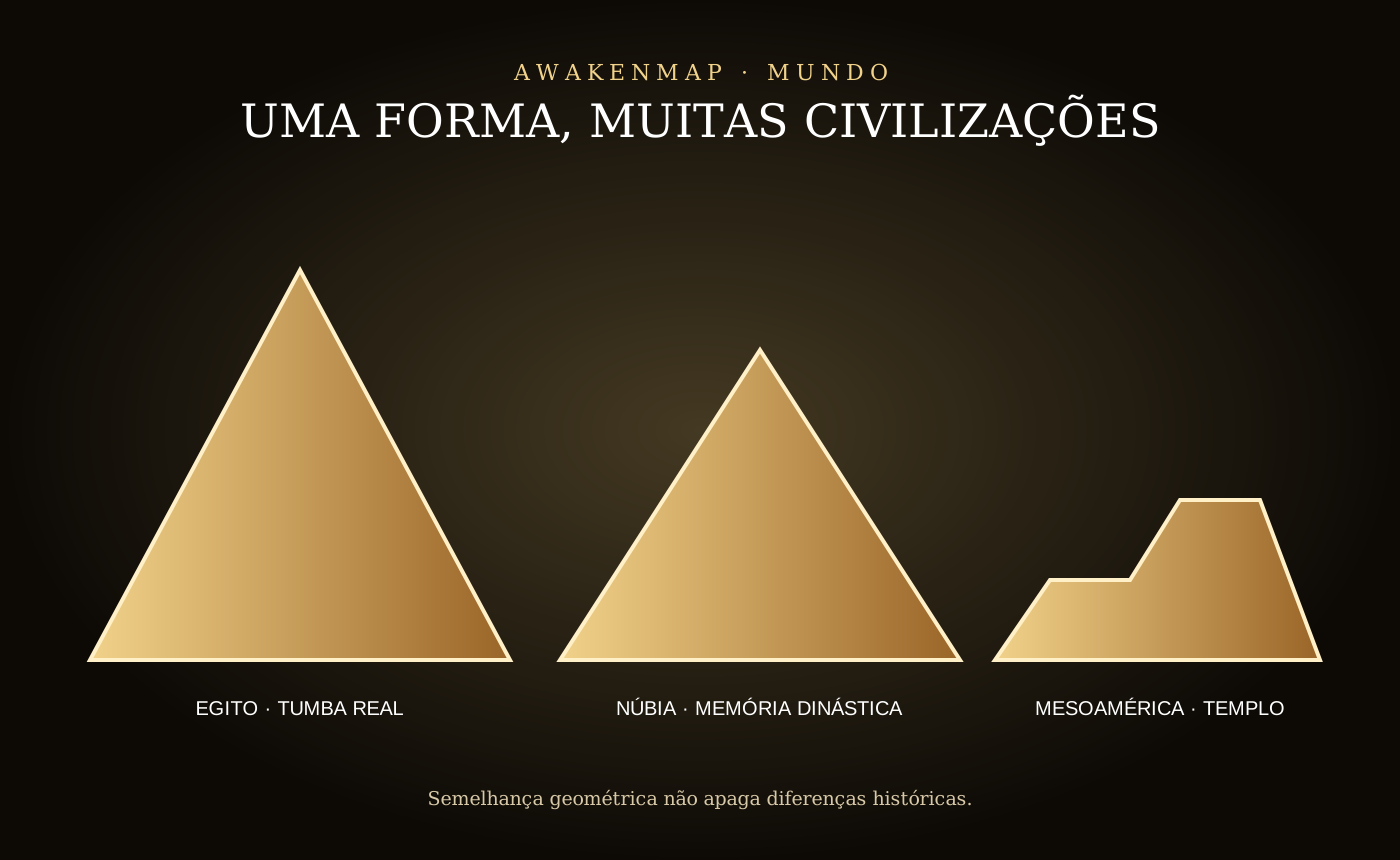
Pyramid is a modern geometric category applied to very different monuments. A broad base and progressively reduced mass provide stability, height and visibility. Societies without contact can reach similar solutions because gravity, materials and monumentality create similar problems.
Pyramids on different continents do not automatically prove a worldwide civilization. Comparison is valuable when chronology, function, technique and religion remain visible.
From mastaba to step pyramid
In Egypt, pyramids developed within royal funerary architecture. Brick and stone mastabas already marked elite tombs. At Djoser’s complex in Saqqara, mastaba-like layers expanded into a stepped pyramid.
The complex attributed to Imhotep includes courts, temples and ritual structures. The pyramid was not isolated but part of a religious and social system for the dead king, renewed power and cosmic order.
Sneferu and learning in stone
Pyramids attributed to Sneferu reveal experimentation. Meidum, the Bent Pyramid and Red Pyramid preserve changes in design, angle and technique. The classic form was developed through trial and accumulated experience.
The Bent Pyramid changes angle during construction, possibly because of structural concerns. Ancient engineering was not magically perfect; monuments retain histories of decisions and difficulty.
Giza as a labour and ritual complex
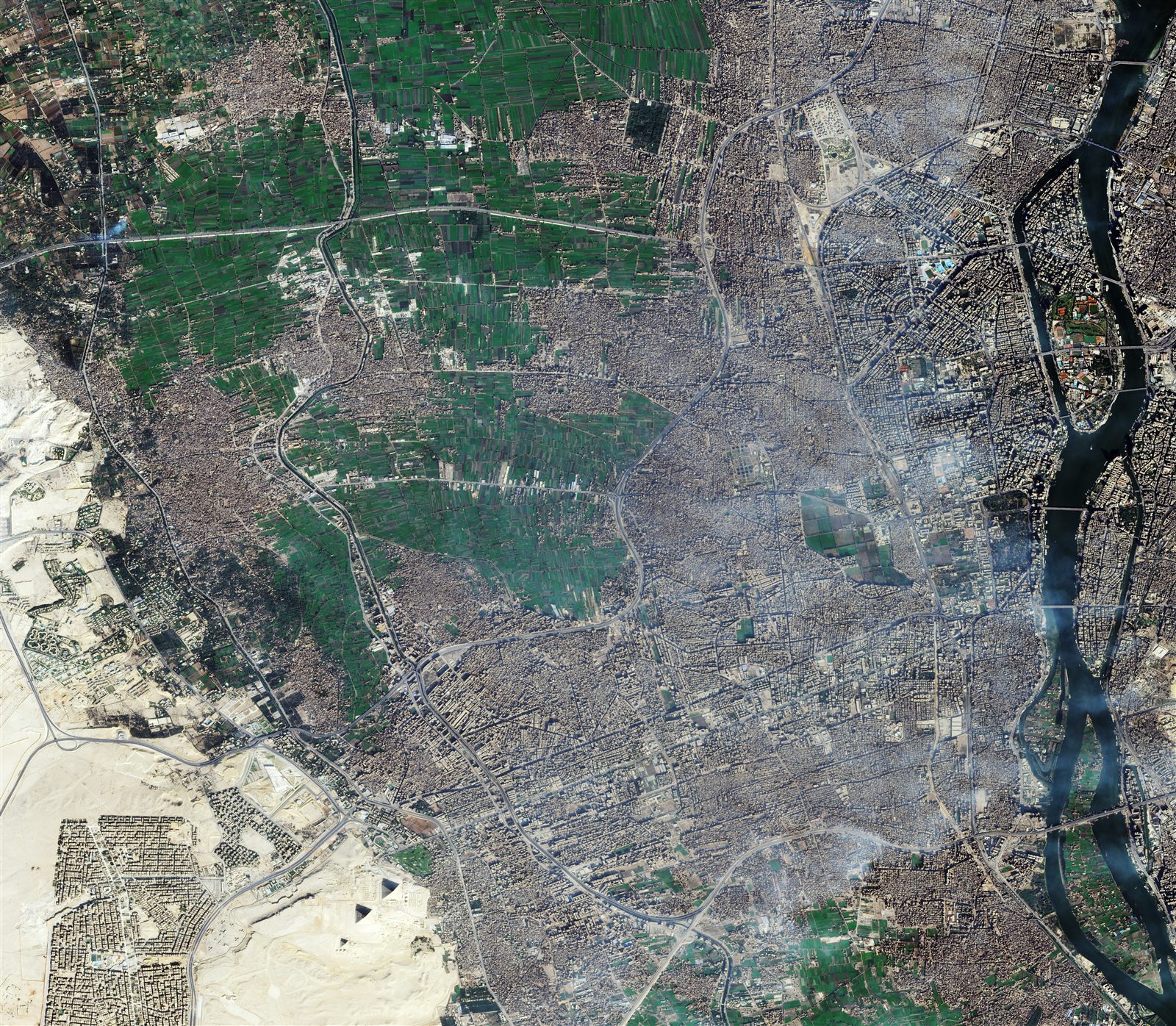
The pyramids of Khufu, Khafre and Menkaure belong to complexes with temples, causeways, cemeteries, boat pits and settlements. Excavations reveal workers, food supply, administration and organized production. Recent research in Communications Earth & Environment identifies an extinct Nile branch, named the Ahramat Branch, running near many pyramid fields; this supports a practical reading of transport, river harbors and landscape planning around construction.
The old image of masses of enslaved labourers does not fit the full archaeological picture. Skilled teams, seasonal labour and state logistics better explain construction while preserving its immense scale.
How the blocks were moved
Local quarries supplied much limestone while special materials travelled farther. Sledges, ropes, ramps and river transport are supported by evidence and experiments. Wet sand can reduce friction before heavy sledges.
The exact ramp configuration remains debated because temporary works were removed. A gap in detail is not total absence of explanation; tools, quarries and organization are well documented.
Precision, orientation and the sky
The Great Pyramid is aligned remarkably close to the cardinal directions. Circumpolar stars, solar shadows and simple instruments can produce precision when used repeatedly by specialists.
This precision deserves study but does not require lasers or satellites. Practical astronomy, geometry and trained teams can achieve surprising results.
Chambers, corridors and funerary purpose
No intact royal mummy was found in the Great Pyramid, a fact used to deny funerary purpose. Yet ancient looting was extensive, and the monument belongs to a necropolis with temples, sarcophagus, tombs and royal rituals.
Funerary purpose does not mean every chamber merely stored a body. The pyramid organized transformation, continuing cult, dynastic memory and relations with gods.
Nubia and the pyramids of Sudan
Nubian kingdoms built pyramids at El-Kurru, Nuri and Meroe. Many are smaller and steeper than Egyptian examples and were associated with royal and elite tombs of Kush.
They show influence and reinvention rather than simple copying. Sudan preserves one of the world’s largest pyramid concentrations, often absent from popular imagination.
Teotihuacan and the planned city
The Pyramids of the Sun and Moon and Temple of the Feathered Serpent belong to a planned city in Mexico. The Avenue of the Dead structures a civic and ritual landscape unlike Egyptian necropolises.
Teotihuacan was a multicultural urban centre. Its pyramids were platforms and constructed mountains tied to ceremony, power and cosmology.
Maya temples on platforms
Maya cities built stepped pyramids with temples on top, often enlarging them in phases over earlier buildings. Stairways, stelae, tombs and plazas connected dynasty, calendar and ritual.
At Chichén Itzá, El Castillo has visual and calendrical relationships involving steps and light. Popular interpretation sometimes exaggerates mathematics, but architecture and ceremonial cycles clearly interacted.
Pyramidal forms in Asia
Pyramidal or mound-like structures appear in China, Southeast Asia and elsewhere. Some are earthen royal tombs; others are terraced temples. Calling all of them pyramids helps visual comparison but may hide local categories.
Ascending form may signify sacred mountain, axis between worlds, throne, tomb or political centre. There is no single universal meaning.
Pyramid energy and modern experiments
Since the twentieth century, writers have claimed pyramid shapes preserve food, sharpen blades, concentrate energy or alter meditation. Popular experiments often lack controls, blinding, repetition and measurable mechanisms.
Geometry can affect acoustics, airflow and structural load, but this does not demonstrate a special energy field. Therapeutic or technological claims require defined measurements and independent replication.
Machines, power plants and lost technology
Alternative theories describe the Great Pyramid as a power plant, hydraulic pump, transmitter or chemical machine. Corridors and chambers become components, while the absence of funerary inscriptions is emphasized.
Ingenious models can stimulate questions but must explain residues, wear, inputs, outputs and archaeological context. Machines leave operational traces.
Aliens and the erasure of builders
Claims that ancient peoples required extraterrestrial help often begin with an inability to imagine planning and expertise outside modernity. Human achievement becomes evidence of intervention.
This logic is uneven: recent European monuments rarely receive the same suspicion. Responsible reading begins with documented people, tools and institutions.
Quarrying, transport and labour organization
A pyramid begins before its first block reaches the monument. Stone must be selected, quarry faces opened, tools produced, routes marked and crews fed. Quarry and settlement evidence belongs to engineering as much as ramps and levers.
Modern models discuss several ramp systems because no single solution must explain every phase and height. Combinations of ramps, sledges, rope, water to reduce friction and levering are more plausible than one universal secret technique.
The communities behind monumental scale
Finds at Giza indicate skilled workers, housing, bread production, animal husbandry and teams identified by marks. The exclusive image of enslaved multitudes does not adequately describe the project's known organization.
This does not erase coercion, inequality or state power. It shows that monuments mobilize complex societies of artisans, administrators, farmers and haulers. Recovering these people prevents unsupported visitors from receiving authorship.
Dating and architectural sequence
Egyptian pyramids do not appear fully formed. Mastabas, the Step Pyramid, Sneferu's structures and Fourth Dynasty complexes create a sequence of experiment. Changes of slope and structural failures record learning.
Dates combine archaeological context, inscriptions, pottery, radiocarbon and dynastic history. An alternative hypothesis must explain this whole package rather than isolate one measurement or anomaly.
Function need not be singular
Calling a pyramid a tomb does not mean it only deposited a body. Royal complexes joined cult, ruler memory, economy, territory, procession and relationships with gods and ancestors.
Likewise, astronomical alignment does not automatically turn the building into an observatory or power plant. Monuments may be funerary, cosmological, political and calendrical at the same time.
How pyramid-energy claims should be tested
Claims about preservation, sharpening, healing or special fields require controlled experiments with equivalent shapes, defined materials, blinded samples and independent repetition. Orientation and environmental conditions must also be recorded.
Effects that disappear under control do not demonstrate unknown energy. A robust effect should produce predictable measurements and allow different laboratories to find it without relying on expectation.
Mortuary evidence and the empty-pyramid argument
Alternative narratives often note that many pyramids contained no royal body when entered. Yet ancient tombs were robbed, reopened, restored and reused. Absence at the moment of modern exploration does not establish absence throughout history.
Function is inferred from the whole complex: temples, causeways, sarcophagi, texts, burials, cult activity and comparison with related monuments. One empty chamber cannot outweigh the broader archaeological pattern.
Conservation and the appearance that survived
Pyramids visible today have lost casing stones, temple elements and parts of their complexes. Exposed masonry creates a ruined aesthetic unlike the bright, smoother surfaces many monuments once possessed.
Digital reconstructions help recover scale and colour but should reveal where evidence ends and hypothesis begins. The original pyramid belonged to a designed landscape rather than standing as an isolated triangle in desert.
Comparing measurement claims
Numerical interpretations connect dimensions with Earth, light speed, pi or sacred units. Some relationships reflect intentional geometry; others emerge from selecting among many possible measurements and conversions after the fact.
A strong claim identifies the ancient unit, demonstrates repeated use, predicts additional dimensions and fits construction practice. Coincidence becomes less likely when one rule explains several independent features without changing assumptions.
Variation is evidence too
Pyramids differ in angle, core technique, material, interior plan and relationship to surrounding buildings. Those variations record local history rather than imperfections in one global blueprint.
Comparison becomes stronger when it explains both resemblance and difference. A theory that notices only triangular profiles discards much of the archaeological information capable of testing it responsibly.
Pyramids in AwakenMap
In AwakenMap, Pyramids connects Giza, Ancient Egypt, builder-race theories, sacred geometry, ley lines, free energy, Atlantis, megalithic sites and Russian pyramid research.
It is a matrix page joining strong archaeology with influential alternative theories. Each connection should state whether it is historical, symbolic, experimental or speculative.
How to investigate a claim
Ask which pyramid, period and culture are under discussion. Check whether measurements come from original fabric or restoration. Distinguish numerical coincidence from intentional proportion and use error margins.
For machine theories, seek operational evidence. For global contact, seek chronology, routes and cultural transfer beyond shape. Mystery improves when comparison has criteria.
Critical reading
Pyramids do not form one global technology. Responsible comparisons preserve each monument’s context and require positive evidence for energy, transoceanic contact or external intervention.
References and starting points
- ESA - Earth from Space: Giza, Egypt
- Communications Earth & Environment - The Ahramat Nile Branch
- UNESCO — Memphis and its Necropolis: Pyramid Fields from Giza to Dahshur
- The Metropolitan Museum of Art — Pyramid Complex of Djoser
- Harvard University — Digital Giza
- Smithsonian — Who Built the Pyramids?
- UNESCO — Archaeological Sites of the Island of Meroe
- UNESCO — Pre-Hispanic City of Teotihuacan
- UNESCO — Chichen-Itza
- Penn Museum — Maya Architecture
Frequently asked questions
Who built the Giza pyramids?
Egyptian teams organized by the state, including skilled and seasonal labour. Settlements and cemeteries help document them.
Were the pyramids built by slaves?
Archaeology indicates a more complex system than masses of enslaved workers, including maintained, fed and specialized teams.
Did Egyptians and Maya have contact?
There is no accepted evidence that contact explains pyramid form. Their chronologies, techniques and functions differ.
Does the Great Pyramid generate energy?
No robust demonstration shows special energy generation. Claims require mechanism, measurement and independent replication.
Why was no mummy found in the Great Pyramid?
Ancient looting removed contents from many tombs. The absence of an intact mummy does not erase the complex’s funerary context.
Are pyramids aligned with stars?
Some have relevant astronomical orientations. Each claim requires chronology, horizon and an error margin.
Keep exploring
You can open another path
 Ancient civilizations Ancient Civilizations, Mysteries and Forbidden Archaeology 5/5 intensity Explore →
  Ancient civilizations Ancient Builder Race 4/5 intensity Explore → Esoteric practices Alexander Golod 4/5 intensity Explore →
 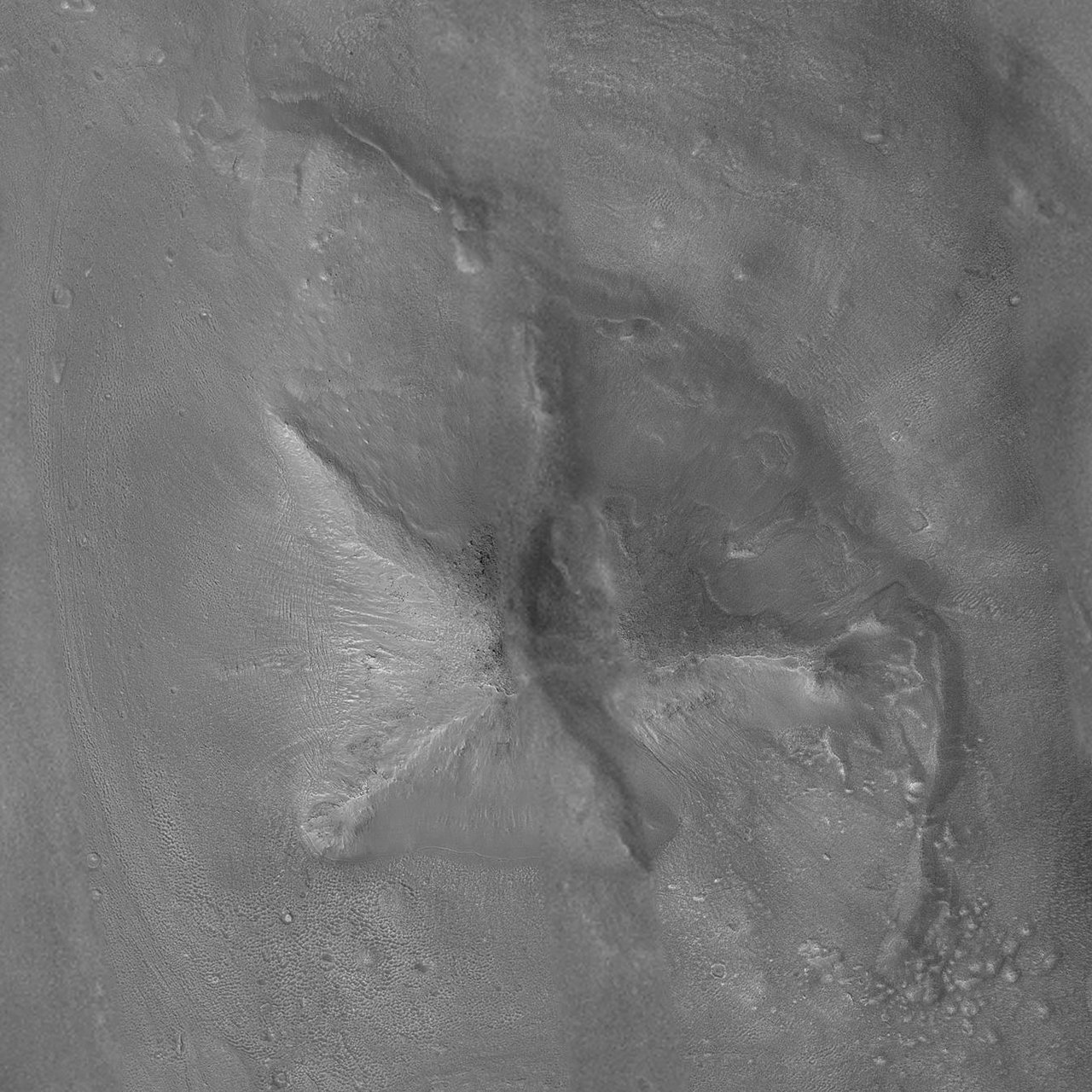 AwakenMap theme Cydonia Pyramids 4/5 intensity Explore →
  Ancient civilizations Giants 4/5 intensity Explore →
  Secret Space Program Law of One / RA 4/5 intensity Explore →
Join the conversation
Comments are moderated. Keep the discussion respectful and distinguish evidence, interpretation and personal experience.