Connection level
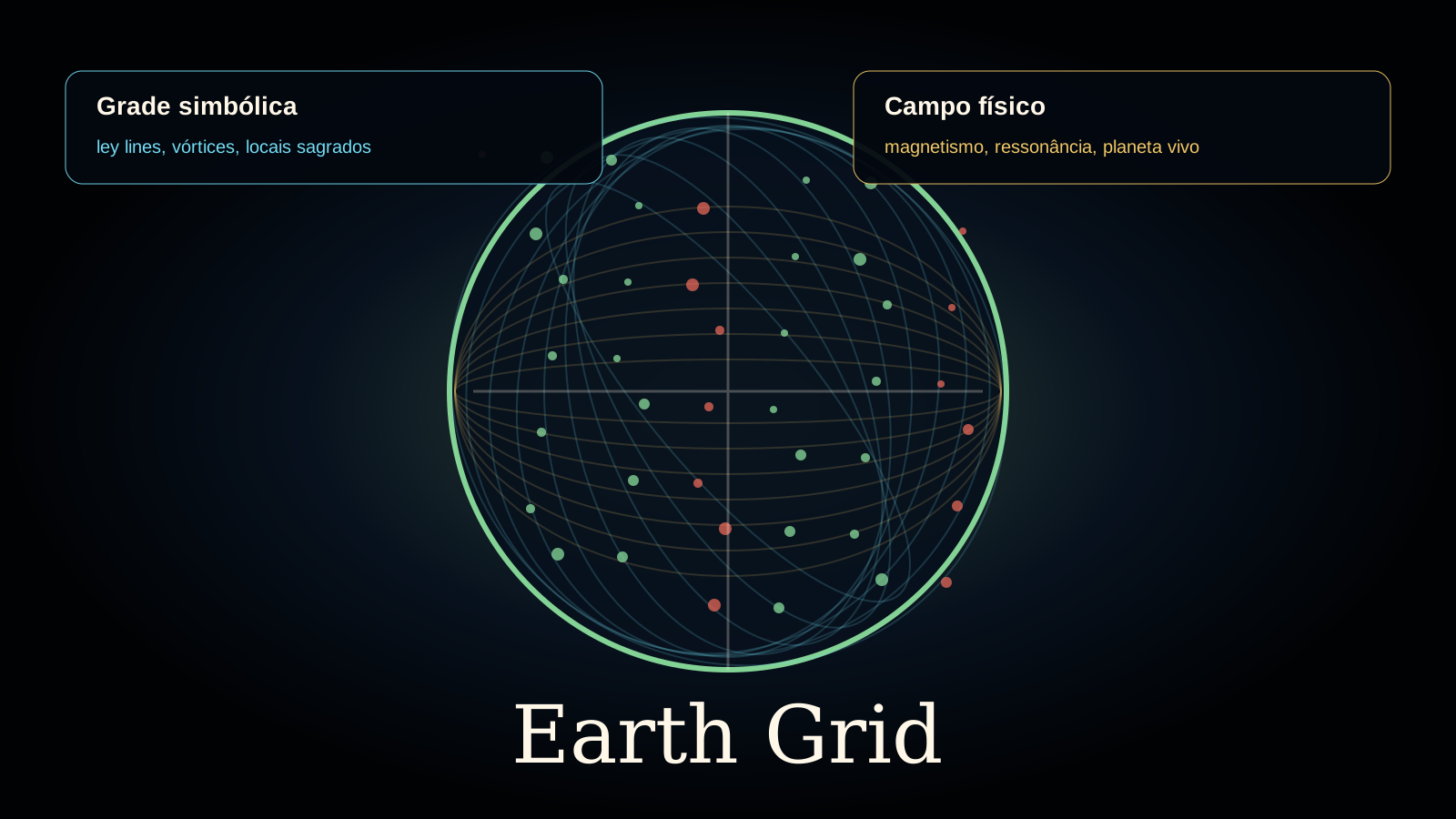
30 direct connectionsEarth Grid is the idea that Earth has a network of lines, points and fields connecting sacred places, megaliths, pyramids, vortices, geometric patterns and natural phenomena. On AwakenMap, the theme is treated as a bridge between symbolic geography, real geomagnetism, Earth spirituality and narratives about ancient civilizations.
What Earth Grid means
In esoteric readings, Earth Grid points to a planetary energetic mesh. It often connects Ley Lines, Vortex, sacred geometry, Megalithic Sites, Pyramids, Giza Complex and Stone Circles. The idea is that certain places concentrate energy, memory, alignment or ritual function within a larger architecture of Earth.
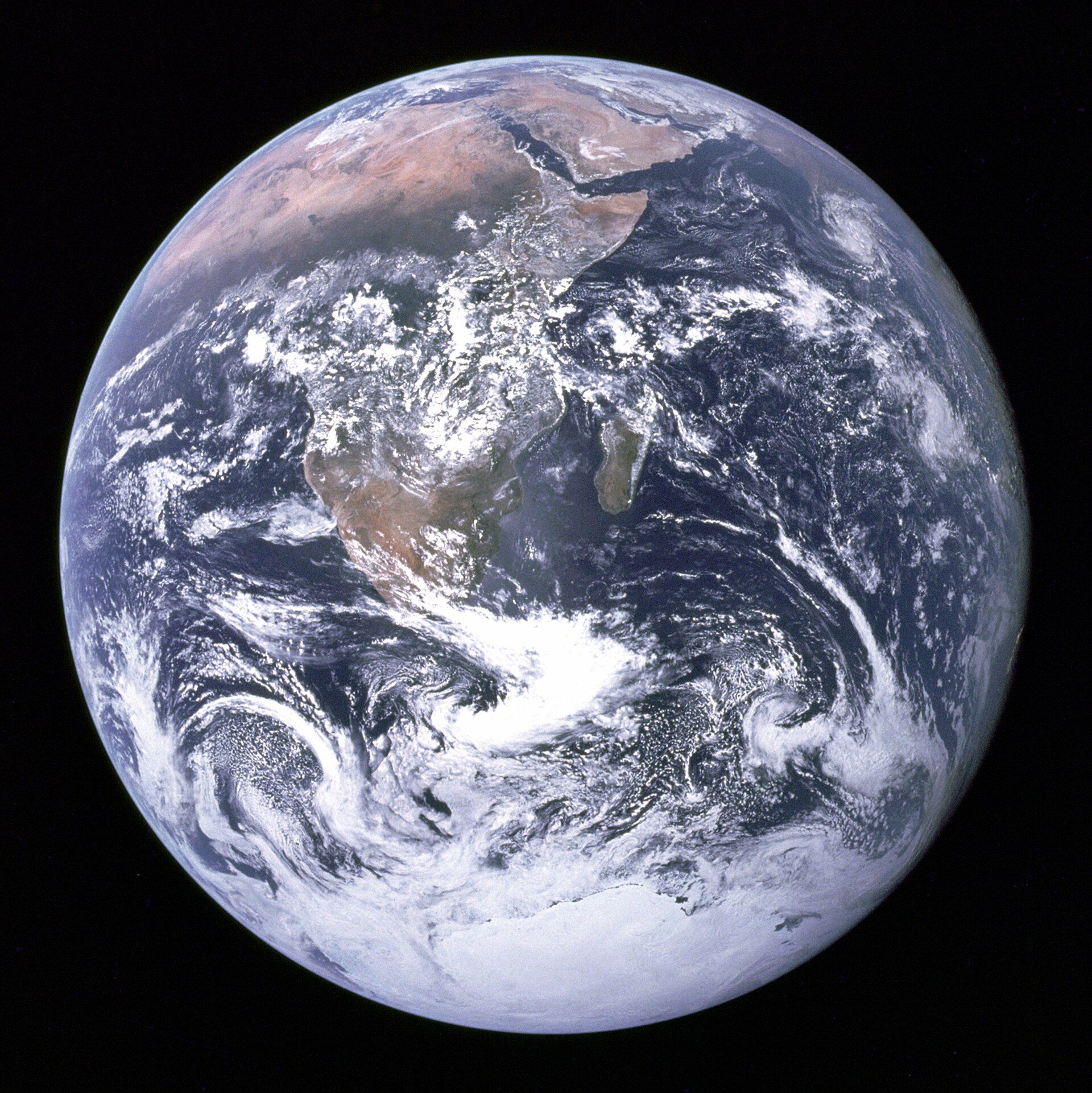
In critical reading, Earth has real physical fields, such as the magnetic field and natural electromagnetic phenomena. But this does not automatically prove a global spiritual grid designed by ancient civilizations.
Why it belongs on AwakenMap
Earth Grid is an important node because it joins science, myth and the experience of place. It speaks with Schumann Resonance, Ancient Builder Race, Crop Circles, Atlantis / Lemuria / Mu, collective consciousness and Earth. The theme appears when people try to feel the planet as organism, temple, ancient technology or consciousness field.
The editorial care is to separate three layers: physical Earth studied by geology and geophysics; sacred places studied by archaeology and history; and the spiritual interpretation that sees those places as part of an energetic network.
Ley lines and alignments
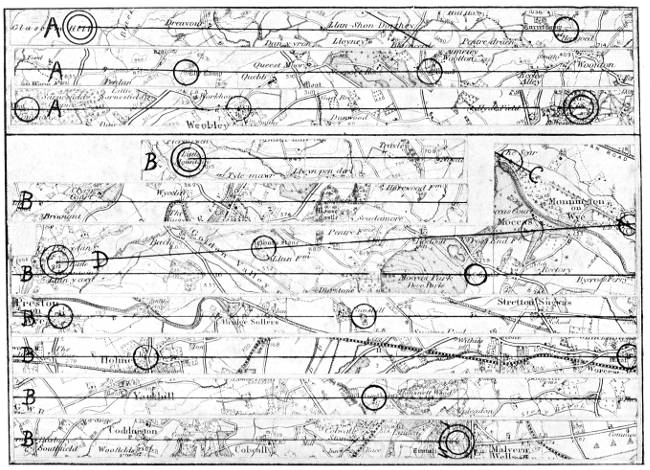
The modern language of ley lines is often associated with Alfred Watkins and the idea of alignments between ancient markers, roads, hills, churches and prehistoric sites. Watkins did not originally frame ley lines as invisible energy currents; his early proposal was closer to landscape reading, sight-lines, old tracks and practical alignments. Later, New Age culture transformed these lines into currents of Earth energy.
The problem is that alignments can arise by coincidence when there are many points on a map. A serious reading has to separate four layers: documented ancient sites, possible route or sight-line patterns, symbolic geography and claims of measurable planetary energy. Ley lines are strongest in AwakenMap when treated as a bridge between place, memory and imagination; they become weaker when every straight line is treated as proof.
Geomagnetism and Schumann Resonance
Earth has a real magnetic field, monitored by scientific institutions because it affects navigation, satellites, electrical grids and space weather. Schumann Resonance is also a real physical phenomenon linked to electromagnetic resonances in the cavity between Earth's surface and the ionosphere.
The interpretive leap happens when these phenomena are used to claim automatic healing, guaranteed collective awakening or direct communication from Earth to human consciousness. These readings may be poetic, but require care when presented as science.
Sacred places and cultural memory
Megaliths, pyramids, stone circles and temples genuinely mark ancient human landscapes. They organized ritual, calendars, political power, observational astronomy, funerals, myths and collective identity.
The Earth Grid reading asks whether there is an invisible architecture connecting these points. Historical reading asks how each culture built meaning in its own territory. Both questions can dialogue, as long as one does not erase the other.
Sacred geometry and planet
Some versions of the Earth Grid use Flower of Life, Torus, Platonic solids or icosahedral grids to imagine Earth as a living geometric body. This language is strong as symbol: it gives visual form to the feeling of planetary interdependence.
On AwakenMap, it is read as symbolic map, not established geophysical cartography. Its value lies in asking why the human mind seeks global patterns to feel belonging, orientation and connection with the planet.
How to continue on the map
After this theme, explore Ley Lines, Vortex, Schumann Resonance, sacred geometry, Ancient Builder Race, Megalithic Sites, Pyramids, Giza Complex, Stone Circles, Crop Circles, Atlantis / Lemuria / Mu, Torus and 5D Earth.
Simple summary
Earth Grid is the idea of a planetary network of lines, vortices and sacred places. It mixes real physical fields of Earth, such as geomagnetism, with spiritual interpretations of ley lines, pyramids, megaliths and sacred geometry. The theme is useful as a symbolic map, but must distinguish spiritual experience, archaeology, geophysics and unsupported claims.
References and starting points
- Project Gutenberg - Alfred Watkins, Early British Trackways
- Project Gutenberg - Early British Trackways, illustrated HTML
- NASA Science - Blue Marble Collection
- USGS - Geomagnetism Program
- USGS - Does the Earth's magnetic field affect human health?
- The Old Straight Track - Alfred Watkins
- UNESCO - Stonehenge, Avebury and Associated Sites
- Wikimedia Commons - The Earth seen from Apollo 17
- Wikimedia Commons - Stonehenge, Wiltshire
FAQ
Is Earth Grid scientifically proven?
Not as a global spiritual grid. Earth has real physical fields, but the energetic interpretation of the lines is speculative.
Are ley lines real?
As alignments drawn between map points, they can exist; as proven energy currents, there is no scientific consensus.
Why do sacred places appear in this theme?
Because many narratives connect megaliths, pyramids and ancient temples as points in a larger symbolic architecture.
Keep exploring
You can open another path
 Map center Great Awakening 5/5 intensity Explore →
 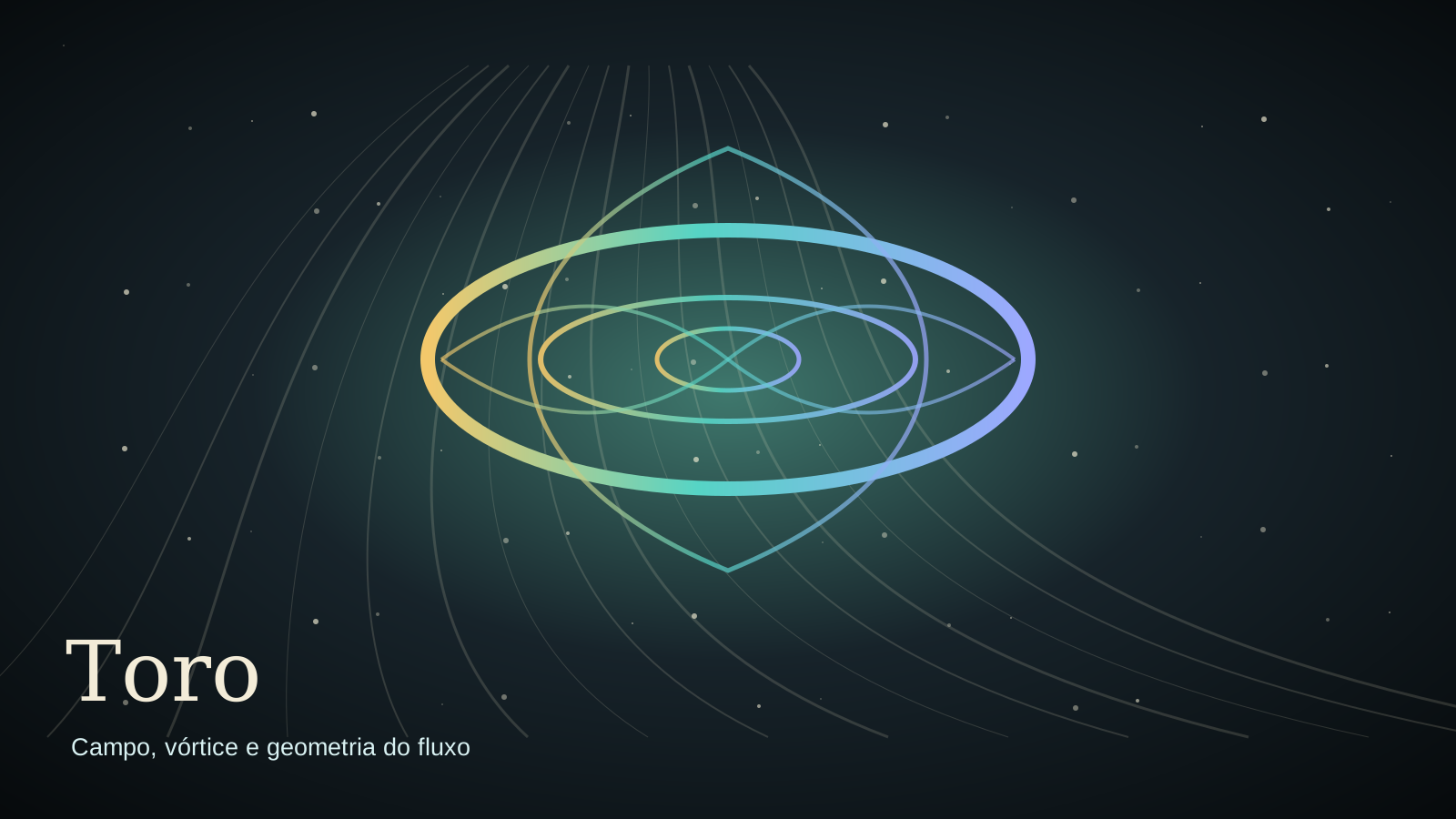 Consciousness and symbols Torus 5/5 intensity Explore →
 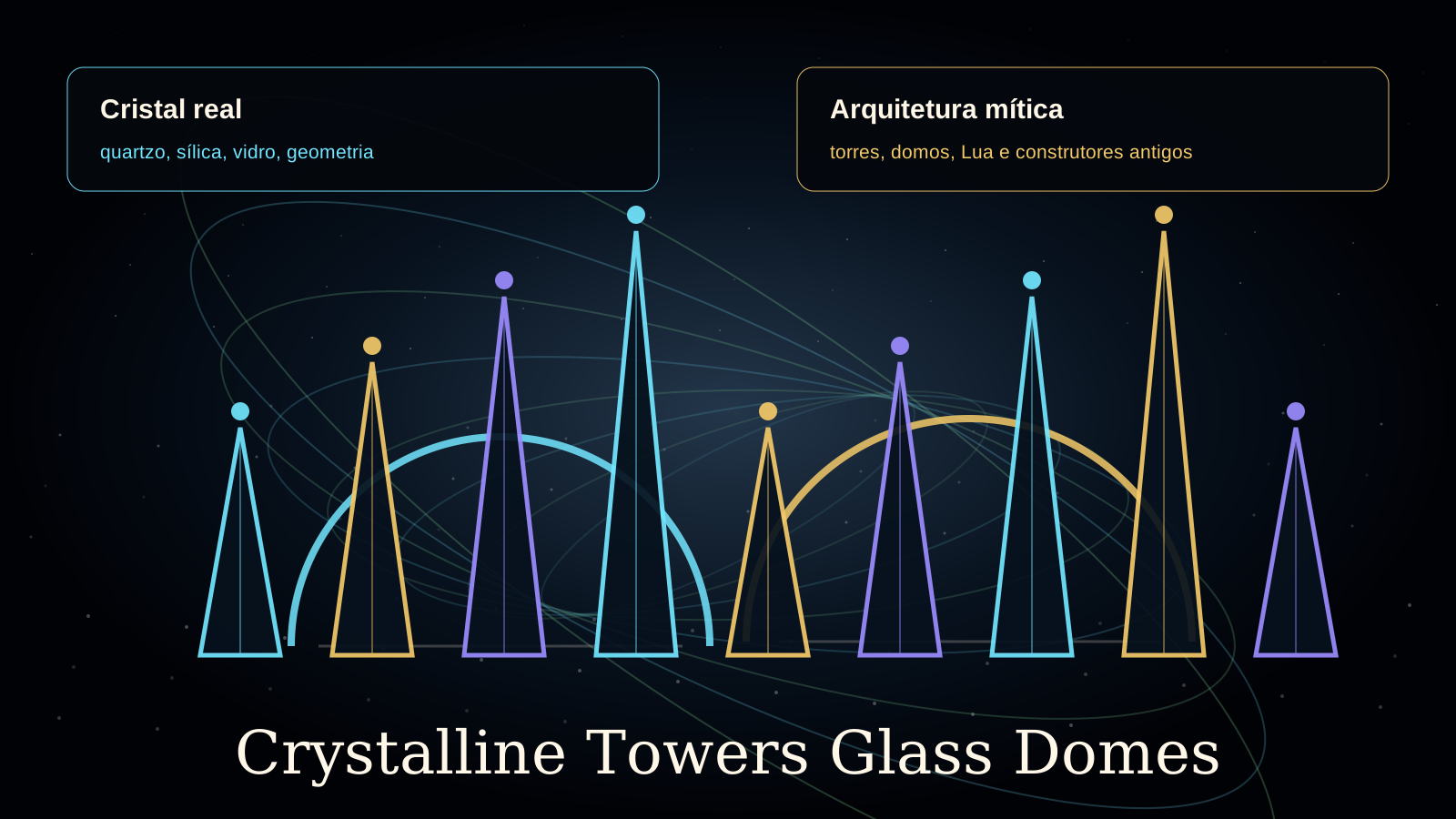 Ancient civilizations Crystalline Towers Glass Domes 4/5 intensity Explore →
  Esoteric practices Dolphins and Whales 4/5 intensity Explore →
  Earth and Antarctica Ancient Builder Race Technology Barrier 4/5 intensity Explore →
  Consciousness and symbols Sacred Geometry 4/5 intensity Explore →
Join the conversation
Comments are moderated. Keep the discussion respectful and distinguish evidence, interpretation and personal experience.