
Connection level
20 direct connectionsEnlightenment touches the difference between accumulating answers and actually waking up: it is possible to know many things about consciousness, energy, religion and reality, and still remain trapped in the same automatisms.
What Enlightenment means
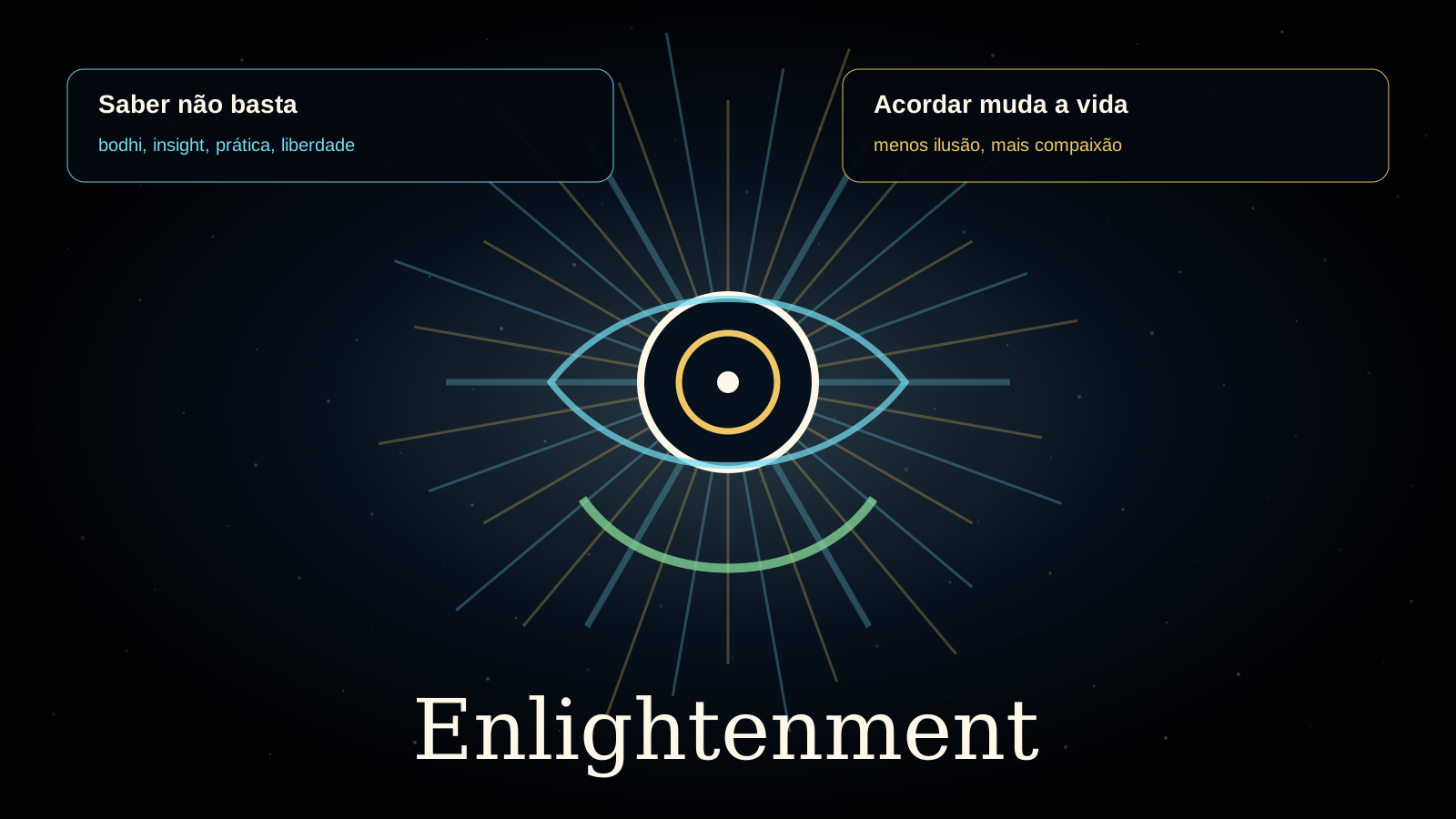
Enlightenment is often used for illumination, but in Buddhist context the more precise word is awakening. The term is close to bodhi, connected with the root meaning to wake up, perceive or understand. It is not merely receiving light from outside; it is no longer sleeping inside certain illusions.
On AwakenMap, this theme connects with Buddhahood, End to Suffering, meditation, Empty Awareness and return to Source. It does not point to spiritual decoration for the personality; it points to a radical change in relationship with desire, fear, identity and suffering.
Illumination or awakening?
The word “illumination” can suggest something spectacular: a mystical explosion, a supernatural vision, a permanent state of ecstasy. In some traditions, intense experiences exist. But reducing Enlightenment to extraordinary experience creates a problem: the person begins chasing states, not freedom.
“Awakening” is a more honest word. Waking up does not mean becoming another creature. It means seeing with less distortion. Sometimes this is luminous; sometimes it is uncomfortable, because it reveals where the mind had been deceiving itself.
Bodhi, nirvana and liberation
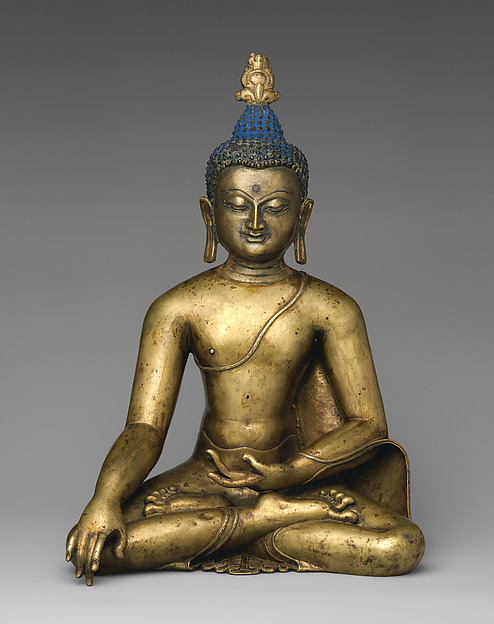
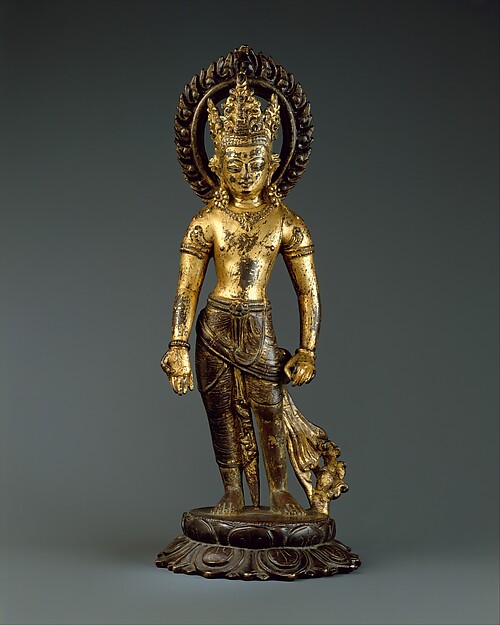
In Buddhist tradition, the Buddha's awakening is connected with recognizing the path to nirvana, the cessation of dukkha. For this reason, Enlightenment is not merely metaphysical knowledge. It is practical liberation: weakening greed, hatred, delusion and clinging.
This connects the theme with escape from Samsara. If Samsara is the conditioned repetition of suffering, Enlightenment is the possibility of no longer blindly obeying the same patterns.
The middle way
Narratives about the Buddha emphasize the abandonment of extremes: neither uncontrolled indulgence nor bodily mortification. The middle way is not mediocrity; it is lucidity that avoids turning practice into violence against life.
That is why awakening is not fleeing the body, the world or relationships. It is no longer being governed by ignorance while living within them.
The risk of the enlightened ego
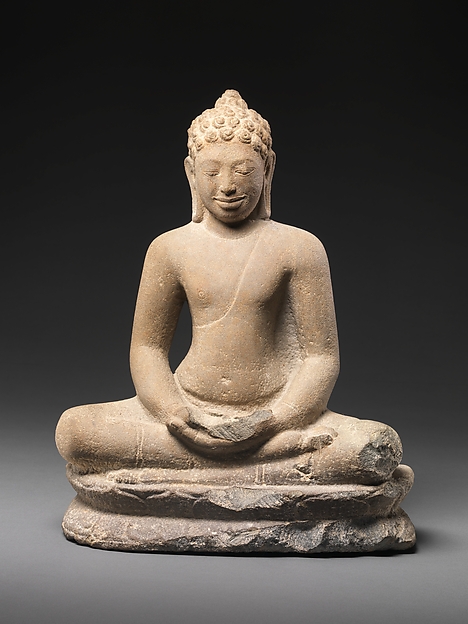
This theme needs care because “enlightenment” is one of the spiritual ego's favorite words. A person can turn sacred language into superiority, use insight to humiliate others or confuse emotional coldness with detachment.
A good editorial question is simple: does this awakening increase compassion, honesty and responsibility, or does it merely create a more sophisticated identity? If the practice makes someone less human, it may not be awakening; it may be defense with spiritual vocabulary.
Universal knowledge is not the same thing
Enlightenment also connects with the imagery of universal knowledge, but it should not be confused with accumulating cosmic information. Knowing names of planes, symbols, lineages or theories can be interesting, but it does not prove liberation.
The awakening that matters passes through ordinary life: how a person responds to fear, conflict, desire, loss, power, money, the body and the other. Knowledge that does not transform relationship becomes ornament.
Why it belongs on AwakenMap
The main fracture here is between knowledge and transformation. Modern spirituality offers many answers, maps and systems, but does not always produce maturity. Enlightenment enters as an uncomfortable question: has what you know changed how you live?
The philosophical connection on AwakenMap lives exactly there. The center of the map cannot be only a collection of narratives. It needs to point toward a conversion of perception: less hypnosis, less automatism, less defensive identity, more embodied lucidity.
How to continue on the map
After this theme, explore End to Suffering, Buddhahood, meditation, Empty Awareness, compassion, escape from Samsara, Mahamudra, Dogchen / Dzogchen, Bardo and return to Source.
Simple summary
Enlightenment is best understood as awakening: seeing with less illusion and living with more freedom. In Buddhism, it is connected with bodhi, nirvana and the cessation of suffering. The theme is deep when it transforms desire, fear, clinging and delusion; it becomes dangerous when it turns into fantasies of spiritual superiority or a search for extraordinary experiences.
References and starting points
- Stanford Encyclopedia of Philosophy - Buddha
- Internet Encyclopedia of Philosophy - Buddha
- Access to Insight - The Buddha and His Dhamma
- Encyclopedia of Buddhism - Bodhi
- Encyclopedia of Buddhism - Four Noble Truths
- Britannica - Buddha
- Metropolitan Museum of Art - Shakyamuni Buddha
- Metropolitan Museum of Art - Past Buddhas
FAQ
Is Enlightenment the same as illumination?
In English, the word carries that sense, but “awakening” is often more natural for the Buddhist meaning of bodhi.
Is it a mystical experience?
It may involve deep experiences, but it should not be reduced to them. The central point is liberation from illusion and transformation of life.
How can real maturity be recognized?
An important sign is whether practice increases lucidity, ethics, compassion and humility, rather than creating spiritual superiority.
Keep exploring
You can open another path
Return to Source Buddhahood 5/5 intensity Explore →  Return to Source Dream Yoga 4/5 intensity Explore →
 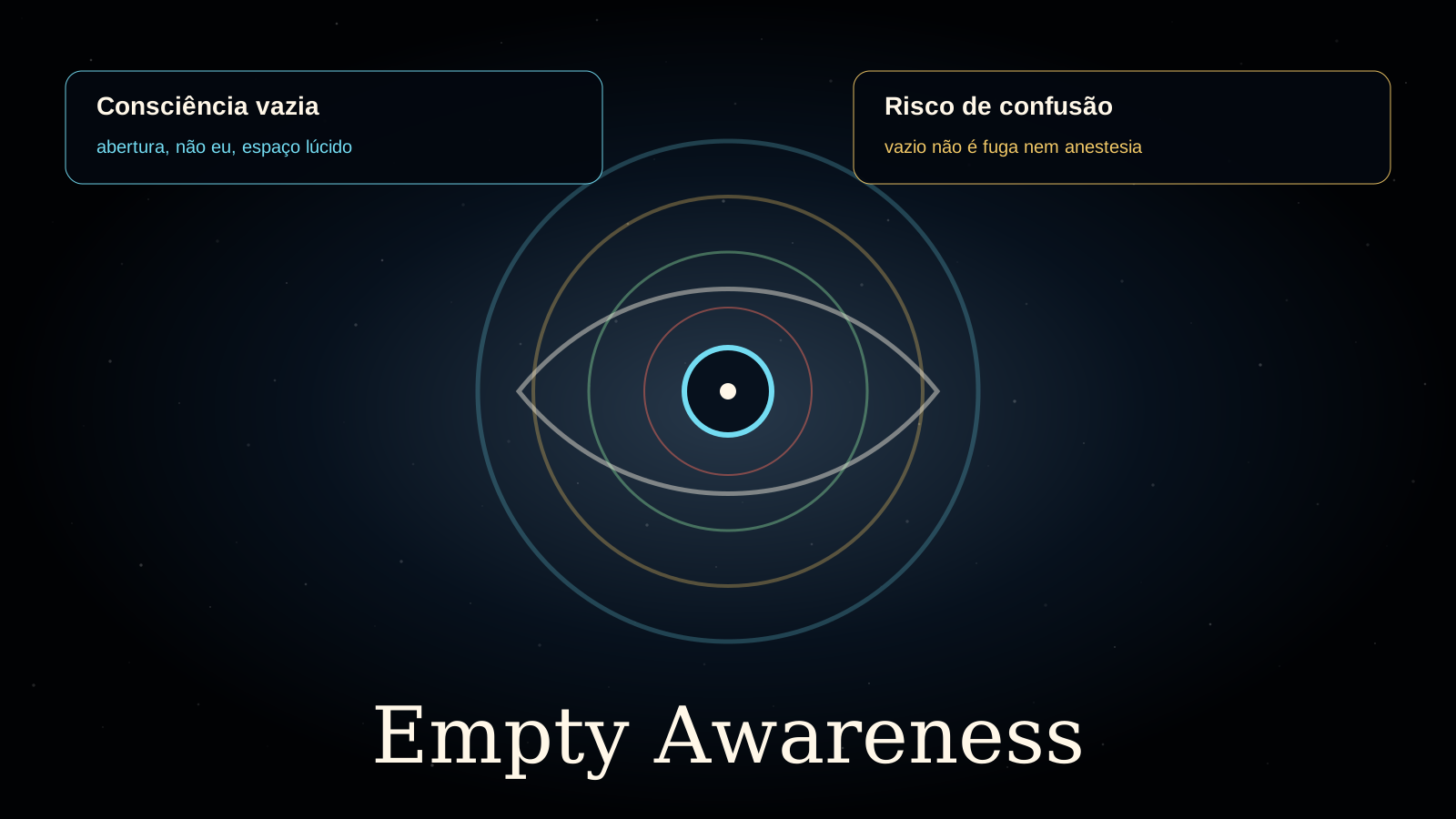 Return to Source Empty Awareness 4/5 intensity Explore →
  Return to Source End to Suffering 4/5 intensity Explore →
  Return to Source Compassion 4/5 intensity Explore →
  Return to Source Escape from Samsara 4/5 intensity Explore →
Join the conversation
Comments are moderated. Keep the discussion respectful and distinguish evidence, interpretation and personal experience.