
Connection level
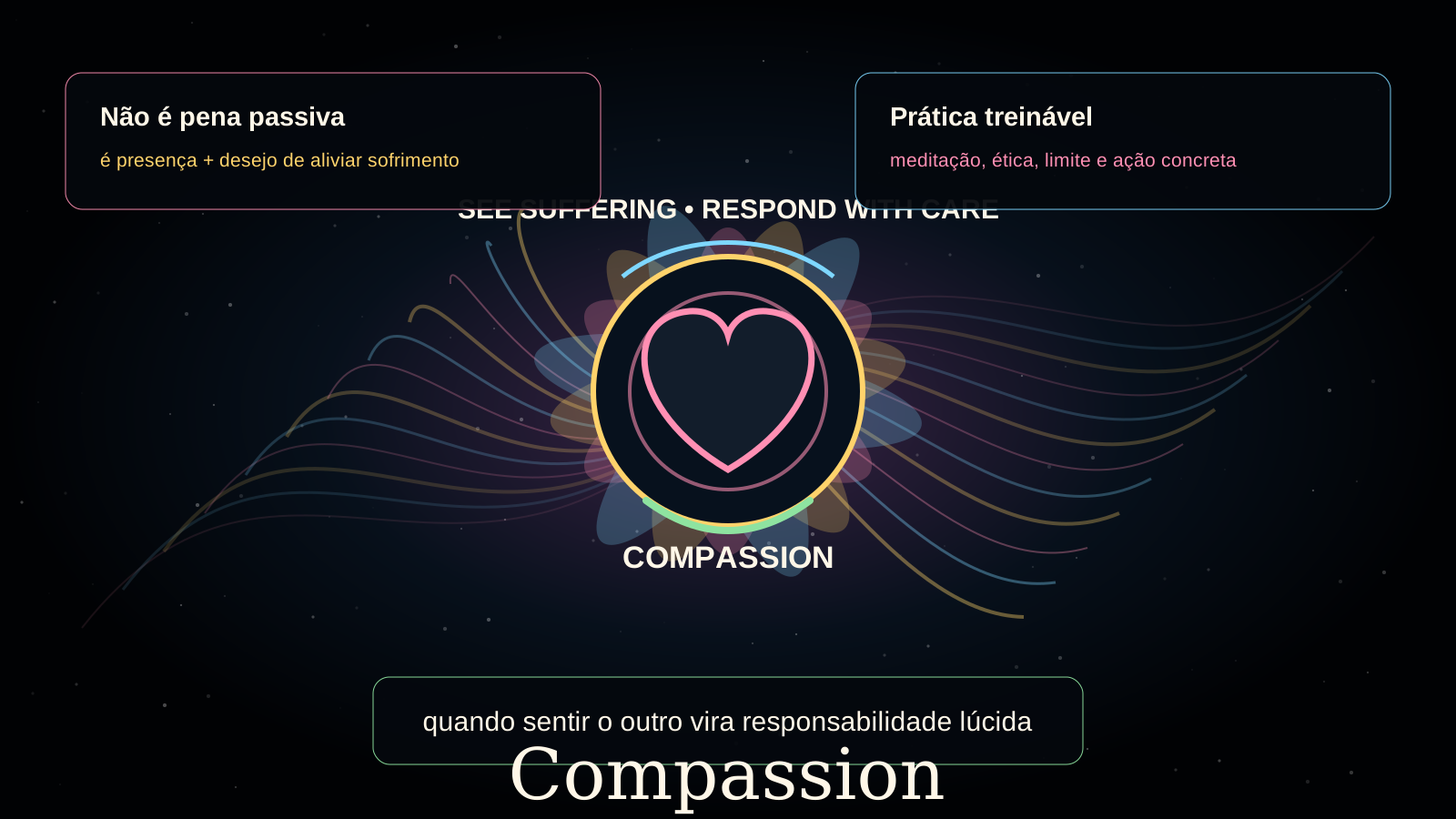
16 direct connectionsCompassion is the capacity to recognize suffering and respond with care. It is not merely pity, nor pretending to be nice. On AwakenMap, compassion is a bridge between inner awakening, ethics, service to others, collective healing and concrete responsibility in the face of pain.

What compassion means
Compassion begins with perception: seeing that someone suffers. But it does not stop at perception. It includes an inclination to relieve that suffering, even when the response is small, quiet or limited. Empathy feels with another; compassion tries to care for what has been felt.
That difference matters. A person can feel intensely and still become paralyzed. Mature compassion turns sensitivity into presence, boundaries, action and discernment.
Why it belongs on AwakenMap
Compassion connects with Buddhahood, meditation, service to others, In Service to Others, Love & Light, collective consciousness and holistic healing. It is a corrective node: it prevents awakening from becoming superiority, spirituality from becoming escape and knowledge from becoming coldness.
Without compassion, the map can become only a collection of symbols, theories and powers. With compassion, it returns to the human question: does this reduce suffering, or only feed identity?
Compassion is not weakness
A common confusion is to treat compassion as naivety. But compassion does not mean allowing abuse, denying conflict or saying yes to everything. Sometimes the compassionate gesture is to welcome. Sometimes it is to set a boundary. Sometimes it is to interrupt a destructive dynamic.
The point is intention: acting from lucidity and care, not revenge, indifference or the desire to humiliate.
The form of Avalokiteshvara
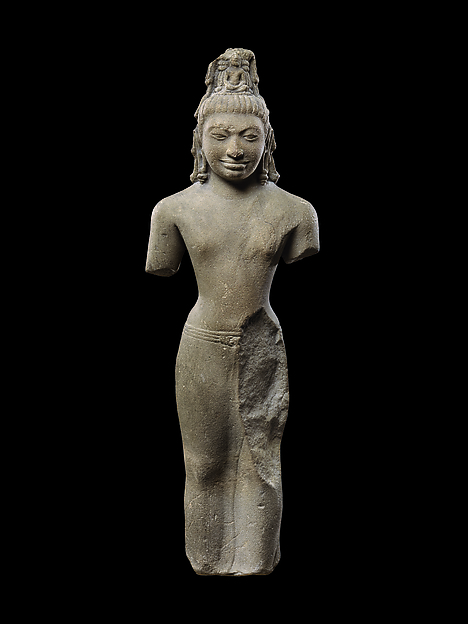
In Buddhist art, Avalokiteshvara represents compassion that hears the suffering of the world. It is not only sweet emotion; it is the willingness to remain available before pain.
This image helps explain why compassion connects with Buddhahood: awakening is not only seeing reality, but responding to it with care.
Karuna, metta and training the heart
In Buddhist traditions, karuna is usually translated as compassion, while metta points to loving-kindness or benevolence. The two walk together: wishing beings well and responding to their suffering.
Meditative practices can train this disposition. A person may begin with themselves, then expand to someone loved, someone neutral, someone difficult and finally all beings. This is not automatic sentimentality; it is reeducation of attention.
Science, empathy and prosocial behavior
Contemporary research tries to measure effects of contemplative practices on empathy, compassion and prosocial behavior. Systematic reviews suggest that certain meditation interventions may increase these traits, although results depend on study design, duration, population and measurement method.
The careful point is: compassion appears trainable, but it should not be sold as an instant miracle. Like any human practice, it needs repetition, context, ethics and integration into daily life.
Empathic fatigue and boundaries
Feeling suffering without resources can lead to exhaustion. Care professionals, activists, relatives and sensitive people know this risk. That is why compassion needs boundaries. Without boundaries, it collapses. Without heart, it becomes coldness.
Healthy compassion asks: what can I realistically do without destroying myself, invading another person's process or turning help into control?
Compassion and service to others
In the map's vocabulary, compassion comes close to service to others and In Service to Others. Service to others is not self-abandonment. It is an orientation of life toward reducing suffering, increasing clarity and participating in the common good.
This reading also clarifies the idea of Love & Light. Love and light becomes stronger when it does not become a pretty phrase used to avoid real pain. Love without concrete presence can become spiritual decoration.
The risk of spiritual bypass
Compassion can be used as a mask. Someone says "have compassion" to prevent a victim from naming abuse. Or uses "forgiveness" to avoid responsibility. That is not compassion; it is spiritual bypass.
Mature compassion includes truth. It does not need to hate the aggressor, but it also does not need to protect the lie. Real care sometimes begins by naming the harm.
Collective compassion
At the level of collective consciousness, compassion becomes culture. A compassionate society is not a society without law or conflict. It is a society that measures its institutions by the suffering they reduce or produce.
Health, justice, education, economics and technology can be read through this lens: who is seen? Who is discarded? Who pays the invisible cost of collective choices?
How to read Compassion on AwakenMap
Compassion should be read as an inner and social technology. It changes how a person perceives pain, power, error, fear and difference. It also changes the kind of question the map asks: not only "what is true?", but "what does this truth ask of me?"
That is why compassion is not a peripheral theme. It is an axis of spiritual maturity. Without it, awakening can become vanity. With it, knowledge meets responsibility.
How to continue on the map
After this theme, explore Buddhahood, meditation, service to others, Love & Light, collective consciousness and holistic healing. This path moves through practice, ethics, healing, community and awakening in service.
Simple summary
Compassion is recognizing suffering and responding with care. It combines sensitivity, action, boundaries and discernment. On AwakenMap, compassion prevents spirituality from becoming escape or superiority, and turns awakening into responsibility.
References and starting points
- Greater Good Science Center - Compassion Definition
- NIH / PMC - Effects of meditation interventions on empathy, compassion and prosocial behaviors
- NIH / PMC - Loving-Kindness Meditation neuroimaging review
- Stanford Center for Compassion and Altruism Research and Education
- Mind & Life Institute - Compassion research topic
- The Met - Avalokiteshvara, the Bodhisattva of Infinite Compassion
- The Met - Bodhisattva Avalokiteshvara, Southern Thailand
- 84000 - The Teaching of Vimalakīrti
- Access to Insight - Karaniya Metta Sutta
- Encyclopedia of Buddhism - Karuna
- Encyclopedia of Buddhism - Avalokitesvara
FAQ
Is compassion the same as empathy?
Not exactly. Empathy feels or understands another's experience. Compassion includes the wish to relieve suffering and tends to move action.
Does compassion mean forgiving everything?
No. Compassion can include boundaries, justice and protection. It does not require denying harm or accepting abuse.
Can compassion be trained?
Yes. Many contemplative traditions train compassion, and modern research investigates effects of meditation and loving-kindness practices on empathy and prosocial behavior.
Keep exploring
You can open another path
 Return to Source In Service to Others 5/5 intensity Explore →
  Consciousness and symbols Service to Others 5/5 intensity Explore →
  Return to Source Buddhahood 4/5 intensity Explore →
  Esoteric practices Meditation 4/5 intensity Explore →
  Return to Source End to Suffering 4/5 intensity Explore →
  Return to Source Enlightenment 4/5 intensity Explore →
Join the conversation
Comments are moderated. Keep the discussion respectful and distinguish evidence, interpretation and personal experience.