
Connection level
17 direct connectionsEmpty Awareness touches this attempt to find awareness before the noise: before opinion, before personal story, before the need to turn every experience into identity. The theme's question is simple and difficult: is there a lucid presence that does not need to become “me” in order to perceive?
What Empty Awareness means
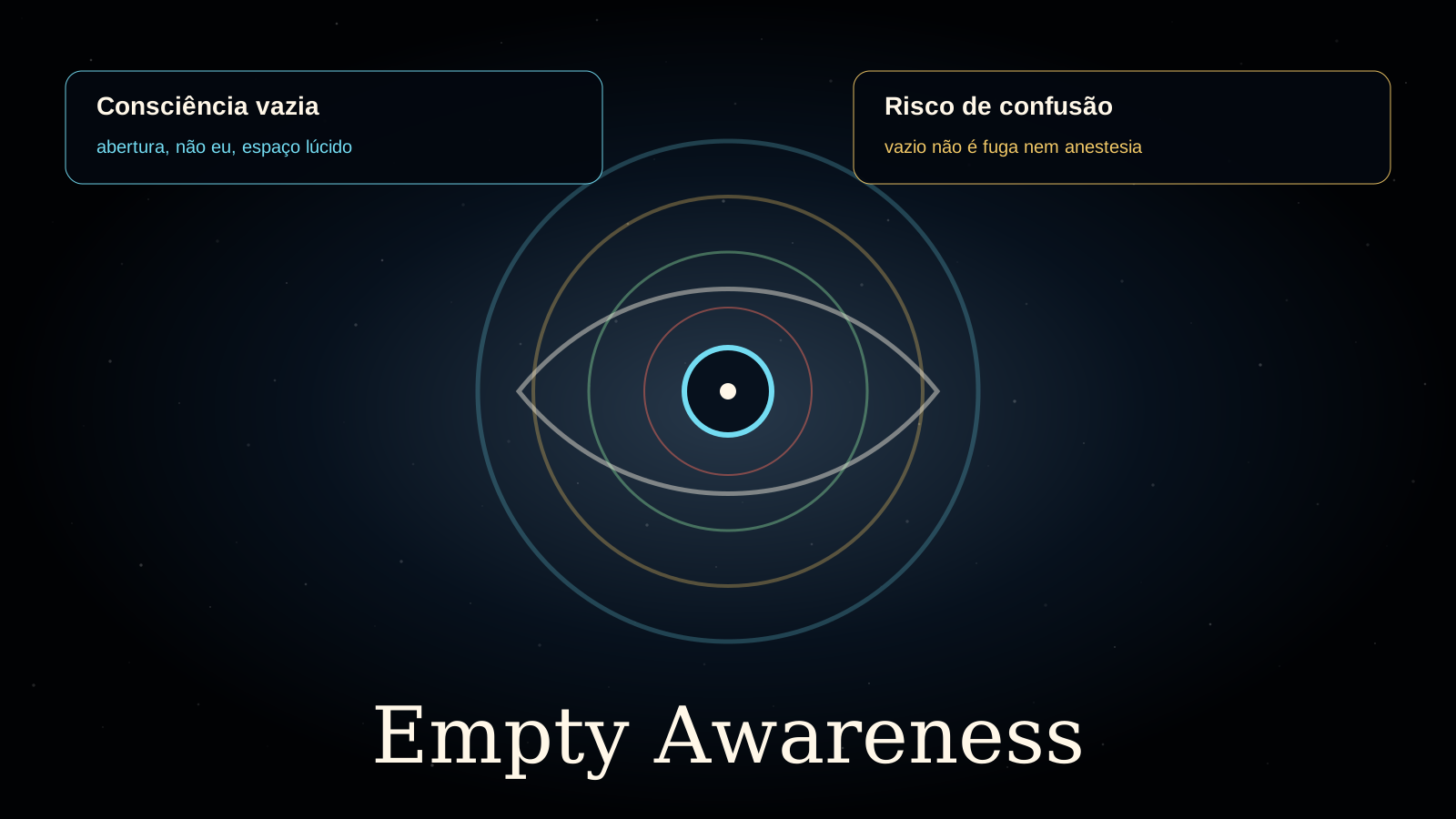
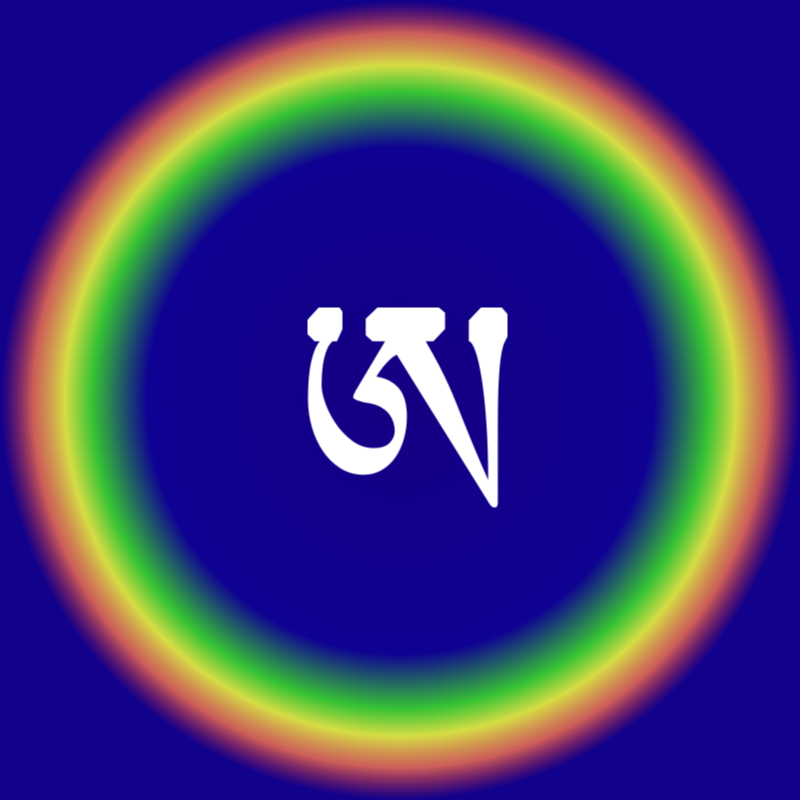
Empty Awareness points to awareness without fixed content or identity. The expression tries to indicate an experience in which thoughts, emotions and sensations appear, but do not have to be taken as a solid self.
This theme connects with meditation, Dzogchen, Mahamudra, Buddhahood and return to Source. It is not about erasing the mind; it is about recognizing the space in which mind happens.
Empty does not mean nothing
The most common mistake is thinking empty means total absence, numbness or nihilism. In many Buddhist traditions, emptiness points to the absence of independent and fixed existence. Things exist, but not as isolated, permanent and self-sufficient blocks.
Applied to awareness, this does not mean “nothing perceives.” It means the experience of perceiving can be investigated without finding a solid center called self.
Dzogchen, Mahamudra and luminous mind
In Dzogchen and Mahamudra, the nature of mind is often described with terms such as empty, luminous, open and aware. This language is not an invitation to manufacture a special state, but to recognize what is already present before habitual contraction.
The difficulty is that any sentence about this can become a concept. That is why these traditions insist on practice, transmission and care.

The philosophical layer
In Buddhist philosophy, themes such as not-self, emptiness, dependence and mind appear in many different schools. Some traditions emphasize rigorous analysis; others emphasize direct recognition. The shared point is dismantling the feeling that a fixed entity commands everything from inside.
This sits close to escape from Samsara: suffering arises when experience is grasped as the property of a self. Empty Awareness asks whether perception is possible without contracting into the owner of perception.
The experiential layer
In meditative practice, Empty Awareness can appear as clear silence, inner space, presence without commentary or open perception. But these names are dangerous: the mind likes turning any experience into a spiritual trophy.
So the mature question is: is this practice making the person more lucid, compassionate and present, or merely more identified with the idea of being “awake”?
Common risks
The main risk is using “empty awareness” as escape. A person can call dissociation, emotional anesthesia, indifference or spiritual bypassing presence. Empty, in this distorted sense, becomes a sophisticated way not to feel.
Another risk is turning awareness into a new metaphysical substance: a “higher self” hidden behind the ordinary self. Many traditions would be careful with that leap, because it recreates the very identity the practice tries to investigate.
Why it belongs on AwakenMap
Empty Awareness mainly touches the fracture between reason and intuition, and also between body and mind. Modernity trained the mind to explain, measure and narrate; this brought clarity, but also left us trapped in endless commentary about life.
The theme tries to recompose that division without denying thought: it asks whether there is a form of intelligence that does not begin in analysis, but in presence. This is the philosophical connection here: not using emptiness to flee the world, but to perceive the world without the compulsion to possess it.
How to continue on the map
After this theme, explore meditation, Dogchen / Dzogchen, Dzogchen, Mahamudra, Buddhahood, Dream Yoga, Bardo, escape from Samsara, compassion, Higher Mind and Enlightenment.
Simple summary
Empty Awareness is the idea of an open awareness, empty of fixed identity, but not dead or absent. It points to perceiving thoughts and emotions without immediately turning them into “me.” The theme is deep when it leads to presence, compassion and lucidity; it becomes dangerous when it turns into emotional escape, nihilism or a new spiritual ego.
References and starting points
- Roger R. Jackson - Empty, Pure, Luminous: Mind in Dzogchen and Mahamudra
- Lion's Roar - Empty, Pure, Luminous
- Stanford Encyclopedia of Philosophy - Mind in Indian Buddhist Philosophy
- Stanford Encyclopedia of Philosophy - Tiantai Buddhism
- Study Buddhism - What Is Mahamudra?
- Wisdom Experience - Meditation on Emptiness
- Internet Sacred Text Archive - Aspirations for Mahamudra
FAQ
Is Empty Awareness erasing the mind?
No. It is recognizing the lucid space where thoughts appear, without needing to turn each thought into identity.
Is this Buddhism?
The language is close to Dzogchen, Mahamudra, emptiness and not-self, but it also appears in modern meditation and nondual readings.
What is the risk?
Confusing presence with dissociation, emotional coldness or fantasies of spiritual superiority.
Keep exploring
You can open another path
 Return to Source Mahamudra 5/5 intensity Explore →
  Consciousness and symbols Meditation Practice 5/5 intensity Explore → Esoteric practices Rigpa 5/5 intensity Explore →
  Return to Source Tao Te Ching 5/5 intensity Explore →
  Return to Source Dogchen 4/5 intensity Explore →
  Return to Source Buddhahood 4/5 intensity Explore →
Join the conversation
Comments are moderated. Keep the discussion respectful and distinguish evidence, interpretation and personal experience.