Connection level
12 direct connectionsDogchen appears in the batch as an alternative spelling or transliteration error for Dzogchen, the “Great Perfection” of Tibetan Buddhism, especially linked to the Nyingma tradition and also present in Bön. On AwakenMap, the page preserves the node slug, but treats the theme by its more recognized name: Dzogchen.
What Dzogchen is
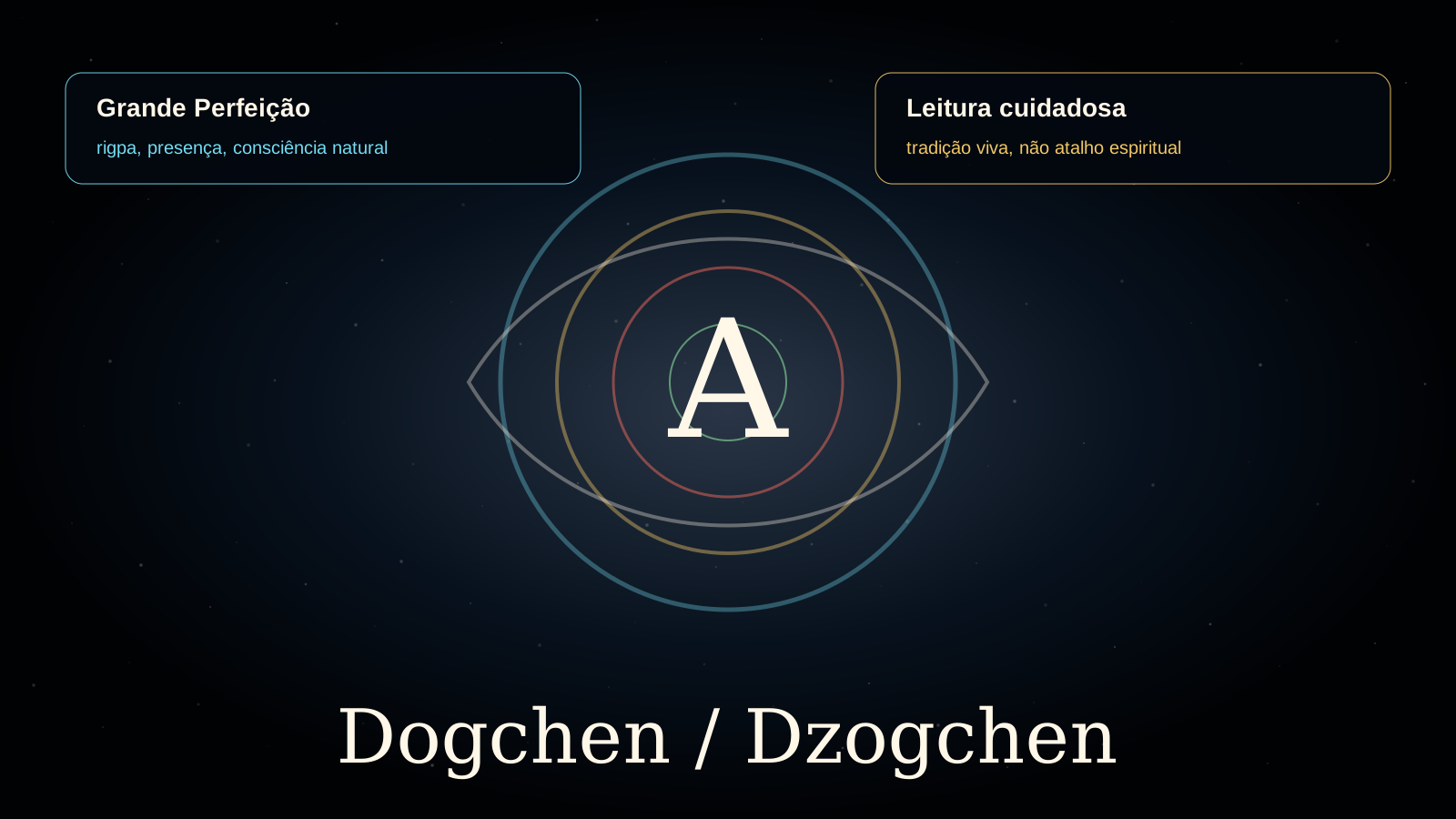
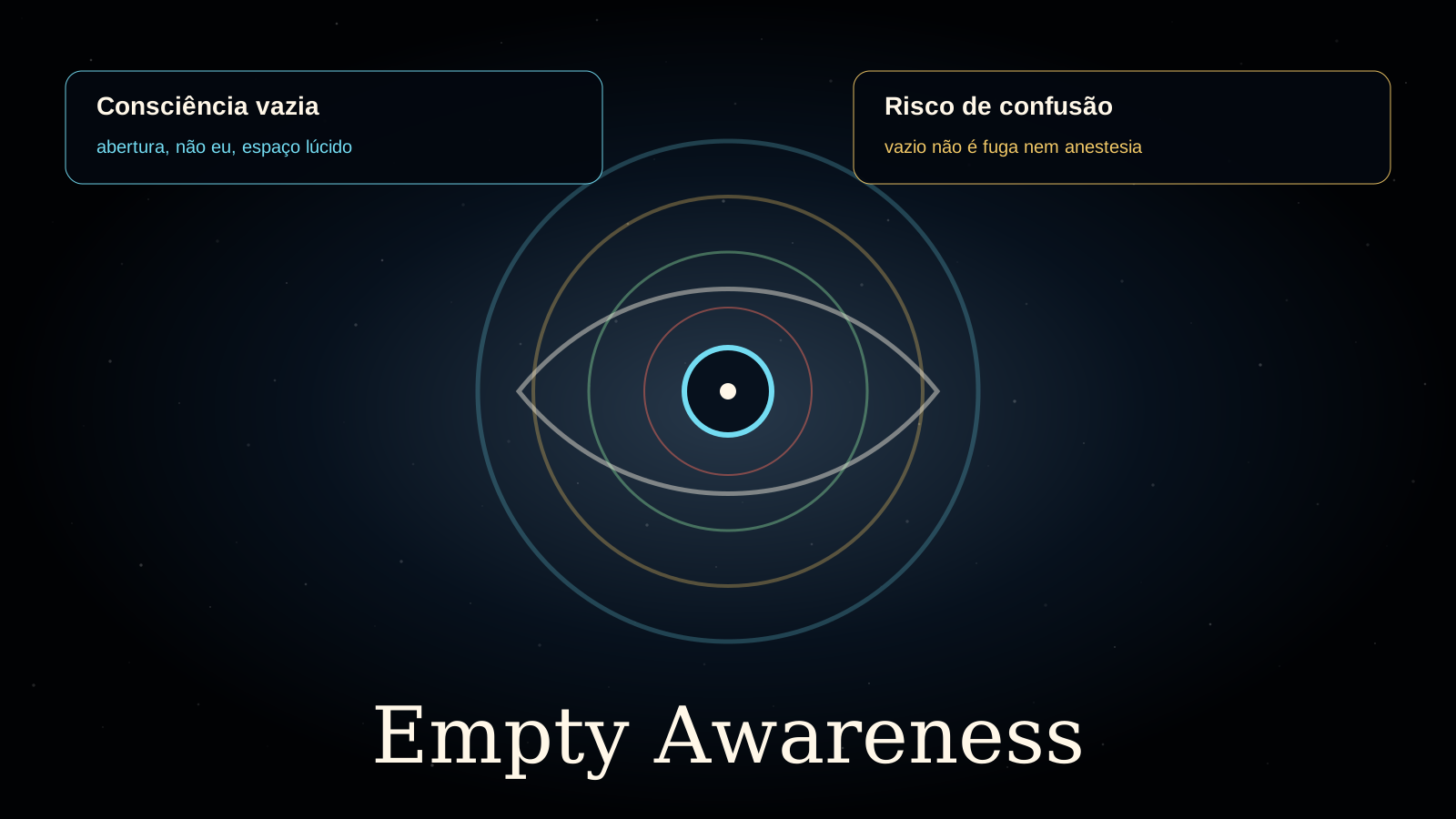
Dzogchen means “Great Perfection” or “Great Completion.” In simple terms, it points to directly recognizing the nature of mind: open, lucid and not reducible to the thoughts appearing within it. This language connects with Rigpa, Empty Awareness, meditation and Buddhahood.
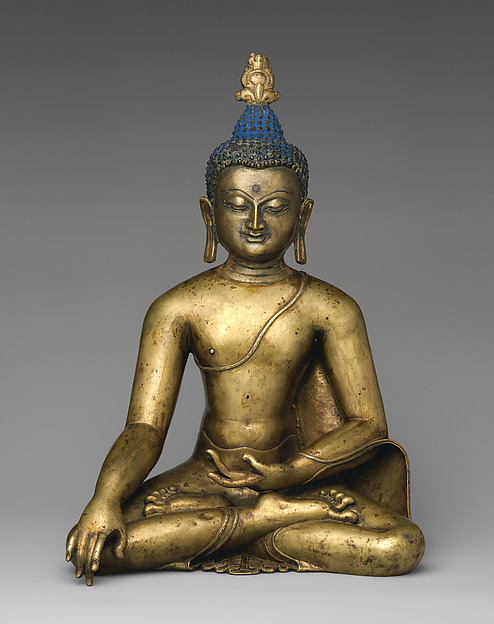
One useful bridge is that Dzogchen works with Buddha-nature: the possibility of awakening already present in the human condition, but obscured by ignorance, habit and attachment.
Why it belongs on AwakenMap
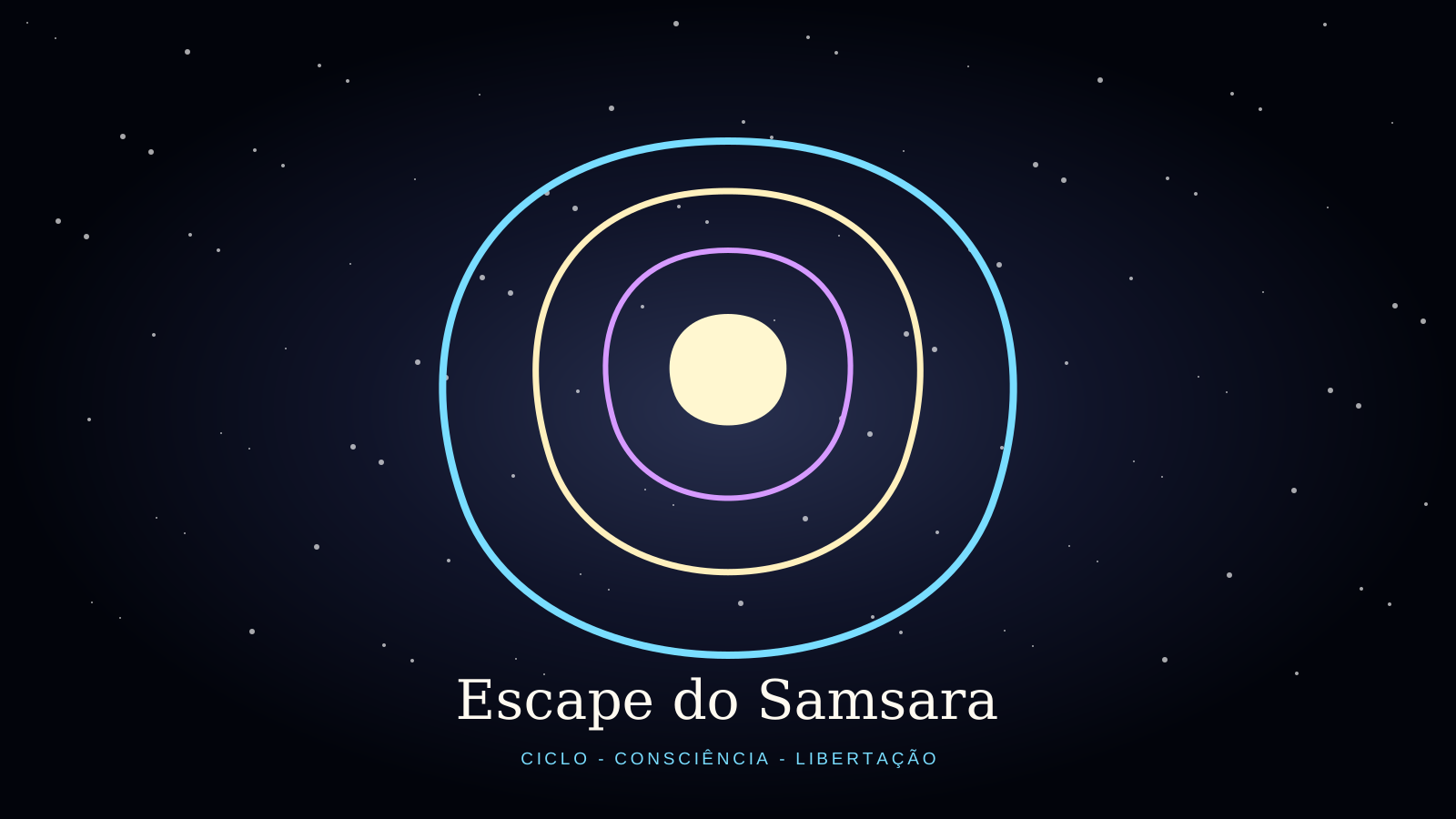
The theme connects Tibetan Buddhism, Dzogchen, Mahamudra, Bardo, rainbow body, escape from Samsara and return to Source. It occupies an important zone of the map: practices and doctrines that speak of awakening not as acquiring something new, but as recognizing what is already present.
At the same time, Dzogchen is not a self-help slogan. It is a tradition with lineages, texts, teachers, ethics, gradual instructions and caution around advanced practices.
The letter A and presence
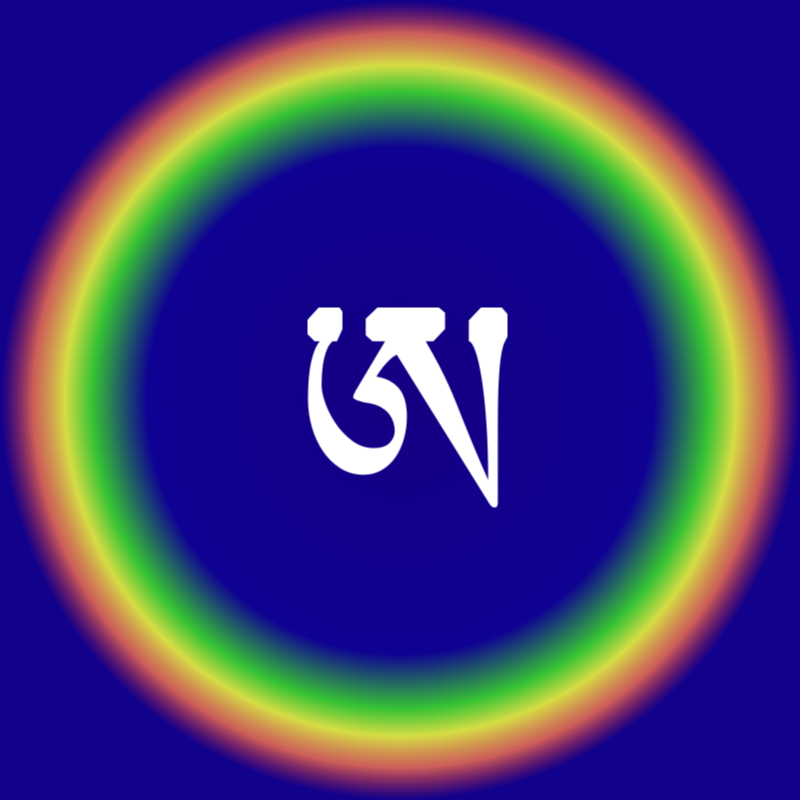
In Dzogchen contexts, the letter A may appear as a symbolic support for contemplation: simplicity, openness and return to the natural state. It is not an automatic charm; it works inside a specific ritual and meditative language.
As an editorial image, it helps represent the central point of the theme: resting in awareness before turning experience into concept.
Rigpa and ordinary mind
A central axis is distinguishing ordinary mind, full of fabrication and identification, from rigpa: recognizing awareness, lucid and unconstricted. This distinction does not require rejecting thoughts, but recognizing their nature without sticking to them.
For that reason, Dzogchen can seem “too simple.” But simplicity does not mean easiness. Without ethical grounding, meditative stability and qualified guidance, the idea of “doing nothing” can become spiritual distraction.
Relation to meditation and Mahamudra
Dzogchen and Mahamudra have affinities: both value direct recognition of the nature of mind. Traditions, methods and vocabularies differ, but both point toward nondual experience that does not depend only on conceptual analysis.
On the map, Meditation Rigpa works as a practical bridge: not meditating to manufacture a special state, but to recognize what is already aware of states.
Bardo, death and rainbow body
Dzogchen is often associated with teachings on Bardo and the imagery of the rainbow body. These themes speak of continuity of consciousness, recognition at death and hagiographical reports of extreme realization.
AwakenMap treats these reports with respect and discernment: they matter inside the tradition, but should not be presented as simple scientific evidence.
The risk of shallow appropriation
The modern risk is reducing Dzogchen to phrases such as “I am already perfect” or “I do not need to practice.” In the tradition, Great Perfection is not permission for spiritual ego; it is deep recognition accompanied by compassion, lucidity and responsibility.
A mature reading honors the tradition without turning sacred language into a shortcut for spiritual performance.
How to continue on the map
After this theme, explore Dzogchen, Rigpa, meditation, Empty Awareness, Buddhahood, Mahamudra, Bardo, rainbow body, escape from Samsara and return to Source.
Simple summary
Dogchen, treated here as Dzogchen, is the Great Perfection of Tibetan Buddhism: a path of direct recognition of the nature of mind. Its center is rigpa, lucid and open presence. The theme connects with meditation, Empty Awareness, Buddhahood, Mahamudra, Bardo and rainbow body. It should be read with respect for the tradition, not reduced to a motivational phrase.
References and starting points
- Lotsawa House - Dzogchen Series
- Lotsawa House - How to Practice the Dzogchen Path
- Treasury of Lives - Longchenpa
- Rigpa Wiki - Dzogchen
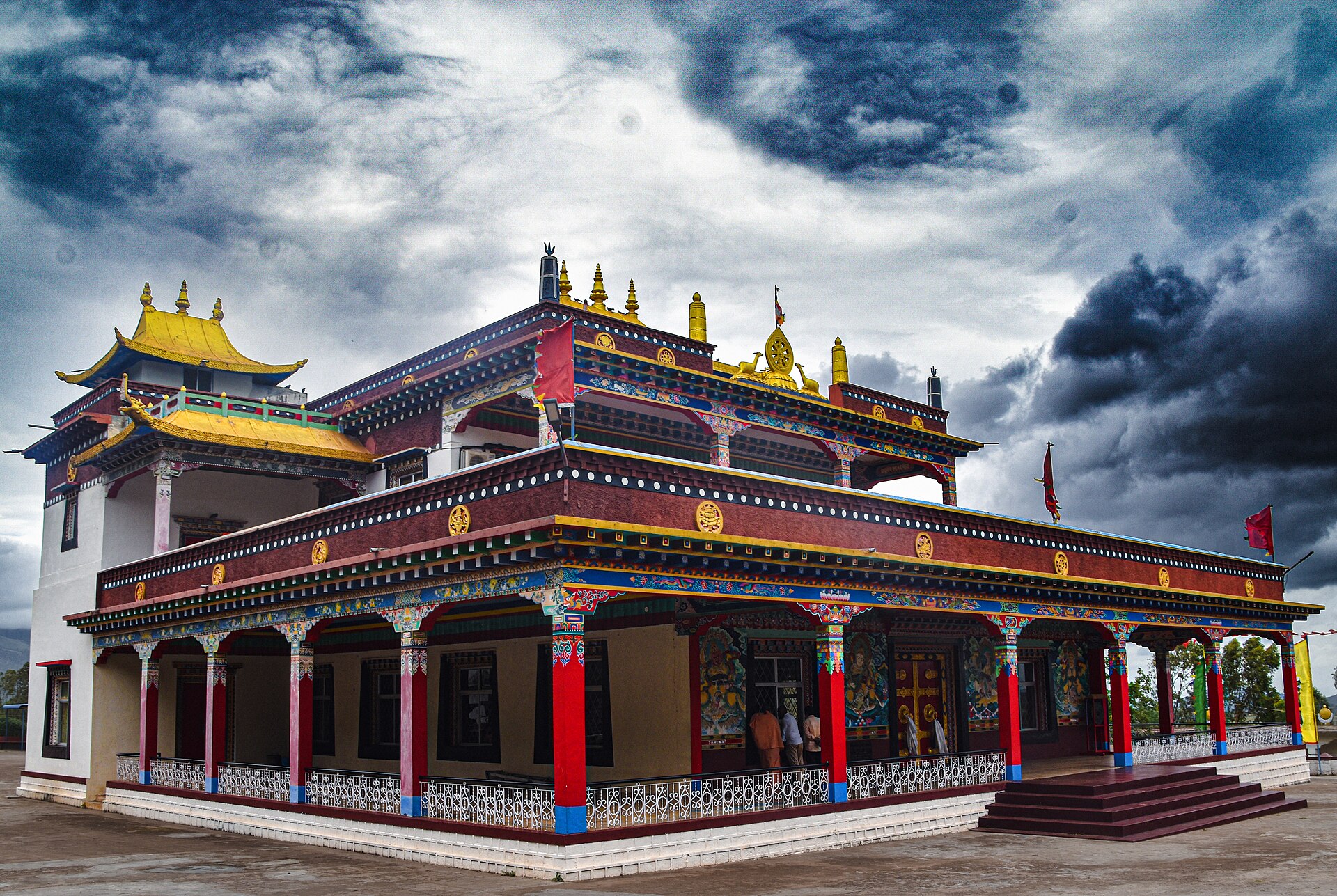
- Rigpa Wiki - Dzogchen Monastery
- Stanford Encyclopedia of Philosophy - Buddha
- Wikimedia Commons - Dzogchen Monastery image
- Wikimedia Commons - Dzogchen A symbol
FAQ
Are Dogchen and Dzogchen the same thing?
In this batch, yes. “Dogchen” appears to be an alternative spelling or transliteration error; the traditional term is Dzogchen.
Is Dzogchen a meditation technique?
It is more than a technique. It includes view, lineage, instructions, contemplation and direct recognition of the nature of mind.
Can I practice Dzogchen alone?
Introductory reading can help, but advanced practices traditionally require qualified guidance and ethical context.
Keep exploring
You can open another path
 Return to Source Buddhahood 4/5 intensity Explore →
  Return to Source Empty Awareness 4/5 intensity Explore →
  Return to Source Escape from Samsara 4/5 intensity Explore →
  Return to Source Mahamudra 4/5 intensity Explore → Esoteric practices Meditation Rigpa 4/5 intensity Explore →
  Return to Source Dream Yoga 4/5 intensity Explore →
Join the conversation
Comments are moderated. Keep the discussion respectful and distinguish evidence, interpretation and personal experience.