
Connection level
13 direct connectionsThe hero's journey is the popular name for the monomyth: the structure in which someone leaves the ordinary world, crosses trials, meets greater forces, dies symbolically, returns transformed and brings something back. The theme enters AwakenMap through the question of when a crisis becomes real initiation and when it becomes chosen-one fantasy: not every pain is a mission, and not every inner call comes from a higher truth.

The modern formulation became associated with Joseph Campbell, especially with The Hero with a Thousand Faces, published in 1949. Campbell compared myths from different cultures and proposed that many heroic narratives follow a similar architecture: separation, initiation and return. The hero receives a call, resists, finds help, crosses a threshold, faces trials, meets a decisive crisis, gains a boon and must return to the ordinary world with that learning.
The idea works because it touches a real human experience. Life change is rarely linear. There is call, fear, loss, mentor, temptation, fall, courage, death of an old identity and difficult return. That is why the journey speaks to enlightenment, Gnosticism, ascension, Buddhahood, free will and love and light. It is not only a script formula; it is a way of organizing crisis and maturation.
But Campbell was also criticized. The monomyth can select stories that fit the model and ignore narratives that do not. It can over-universalize, privilege masculine journeys, simplify local traditions and turn diverse myths into one machine. The tool is useful, but it should not become an absolute mold.

The conspiratorial layer appears when the journey stops being mythic reading and becomes a script of messianic awakening. In alternative communities, a person may interpret every rupture as a sign of mission, every conflict as a test of initiation, every criticism as an attack by system forces and every suffering as confirmation that they were chosen. The symbolic map, which should help make meaning, begins shielding the ego.
This logic is very strong in narratives of hidden history, secret societies, global control, mainstream media and propaganda. The seeker receives a call, discovers that “the world is a lie,” crosses the threshold of forbidden information, finds mentors, fights an invisible elite and feels they carry a boon: waking others up. This structure can inspire courage and investigation. It can also produce paranoia, isolation, leader worship and contempt for those who did not accept the same script.
The delicate point is that the hero's journey does not prove the truth of the story being told. A political group, a sect, a propaganda campaign or a spiritual seller can use the same structure: you are special, you were deceived, you must cross fear, we have the map, outsiders do not understand, return to save the others. Mythic form generates emotion; evidence still has to be examined.
A concrete case

A concrete case is Star Wars. The Smithsonian described the exhibition Star Wars: The Magic of Myth as inspired by the hero's journey presented by Campbell. StarWars.com also recognizes that George Lucas admired Campbell and used his ideas as a direct reference in creating Luke Skywalker's universe. This case shows how a theory of comparative mythology left books and became a global popular language.
The case also shows the risk. When a narrative is powerful, it does not only describe experience: it begins to shape experience. People, movements and leaders begin seeing themselves as Luke before the empire, Neo before the matrix, the initiate before collective lies. Sometimes this helps someone act with courage. Sometimes it turns social complexity into final-battle fantasy.
Why it belongs on AwakenMap
The hero's journey belongs on AwakenMap because it is one of the strongest structures beneath awakening imagination. Almost every revelation narrative uses some kind of call, crossing, trial, symbolic death and return with a message.
The philosophical connection lies in the responsibility of return. The question is not only “what was my initiation?”. It is: what I bring back improves ordinary life, increases discernment and serves someone beyond my own heroic persona?
How to continue on the map
After this theme, explore enlightenment, Gnosticism, secret societies, ascension, Buddhahood, free will, Jordan Maxwell, propaganda, mainstream media and hidden history.
Simple summary
The hero's journey is a mythic structure popularized by Joseph Campbell: call, departure, trials, transformation and return. It helps explain stories and personal crises. The conspiratorial layer appears when the script becomes proof of special mission, spiritual war or messianic awakening. The care is using myth as a language of maturation, not as permission for paranoia or self-idolatry.
References and starting points
- Joseph Campbell Foundation - hero's journey
- Smithsonian - Star Wars: The Magic of Myth
- StarWars.com - Joseph Campbell and George Lucas
- Bill Moyers - the mythology of Star Wars with George Lucas
- Wikimedia Commons - Joseph Campbell
- Wikimedia Commons - hero's journey diagram
Keep exploring
You can open another path
 Map center Great Awakening 5/5 intensity Explore →
  Esoteric practices Hidden History 5/5 intensity Explore →
  Esoteric practices Universal Archetype 5/5 intensity Explore →
 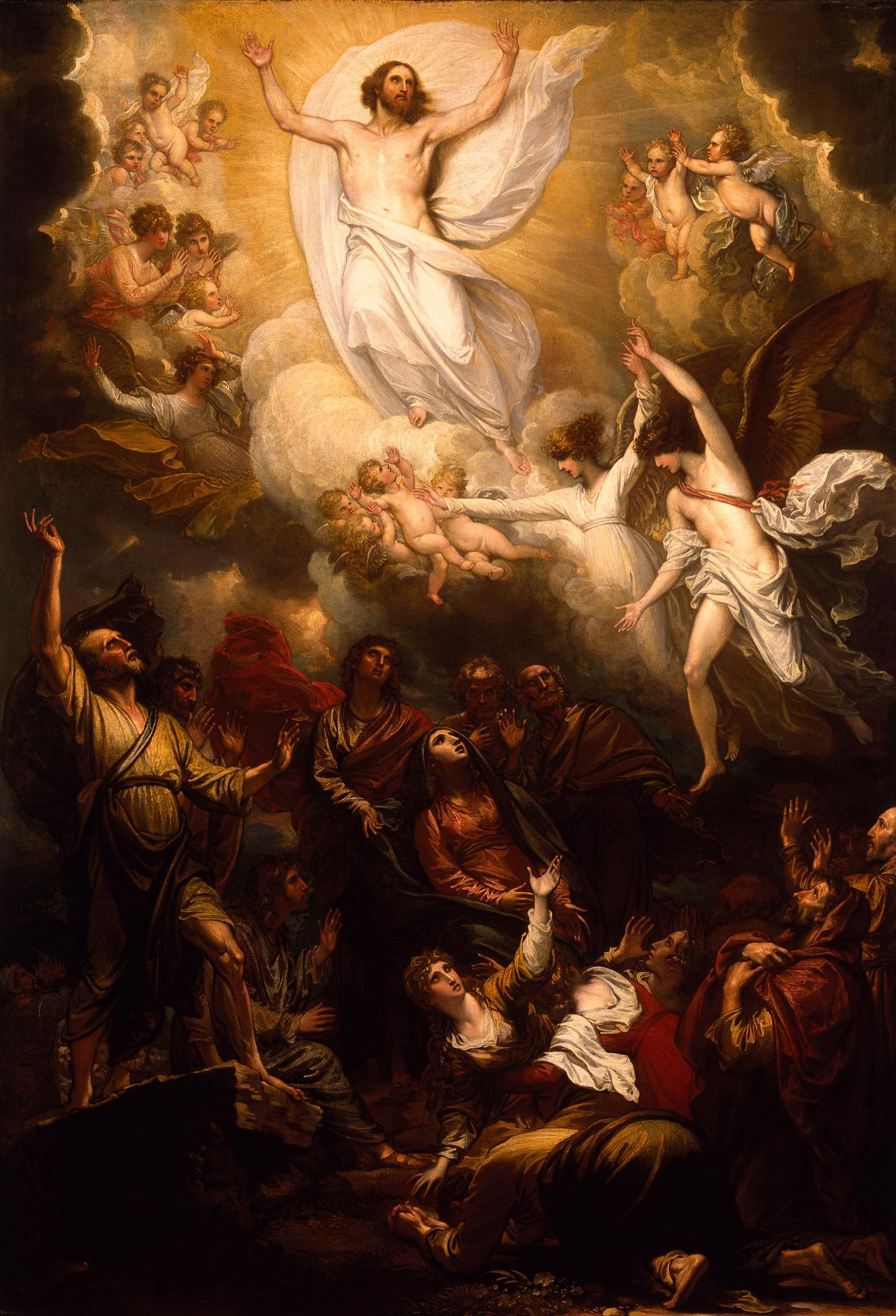 Return to Source Ascension 4/5 intensity Explore →
  Return to Source Enlightenment 4/5 intensity Explore →
  Return to Source Free Will 4/5 intensity Explore →
Join the conversation
Comments are moderated. Keep the discussion respectful and distinguish evidence, interpretation and personal experience.