Connection level
15 direct connectionsEmerald Tablets enters the Great Awakening through the fracture between science and meaning: the suspicion that nature is not only mute matter, but a symbolic writing waiting to be translated. The theme mixes the medieval Hermetic Emerald Tablet, linked to Hermes Trismegistus, with the Emerald Tablets of Thoth the Atlantean, a modern occult text associated with Maurice Doreal.
First distinction: Tablet or Tablets?
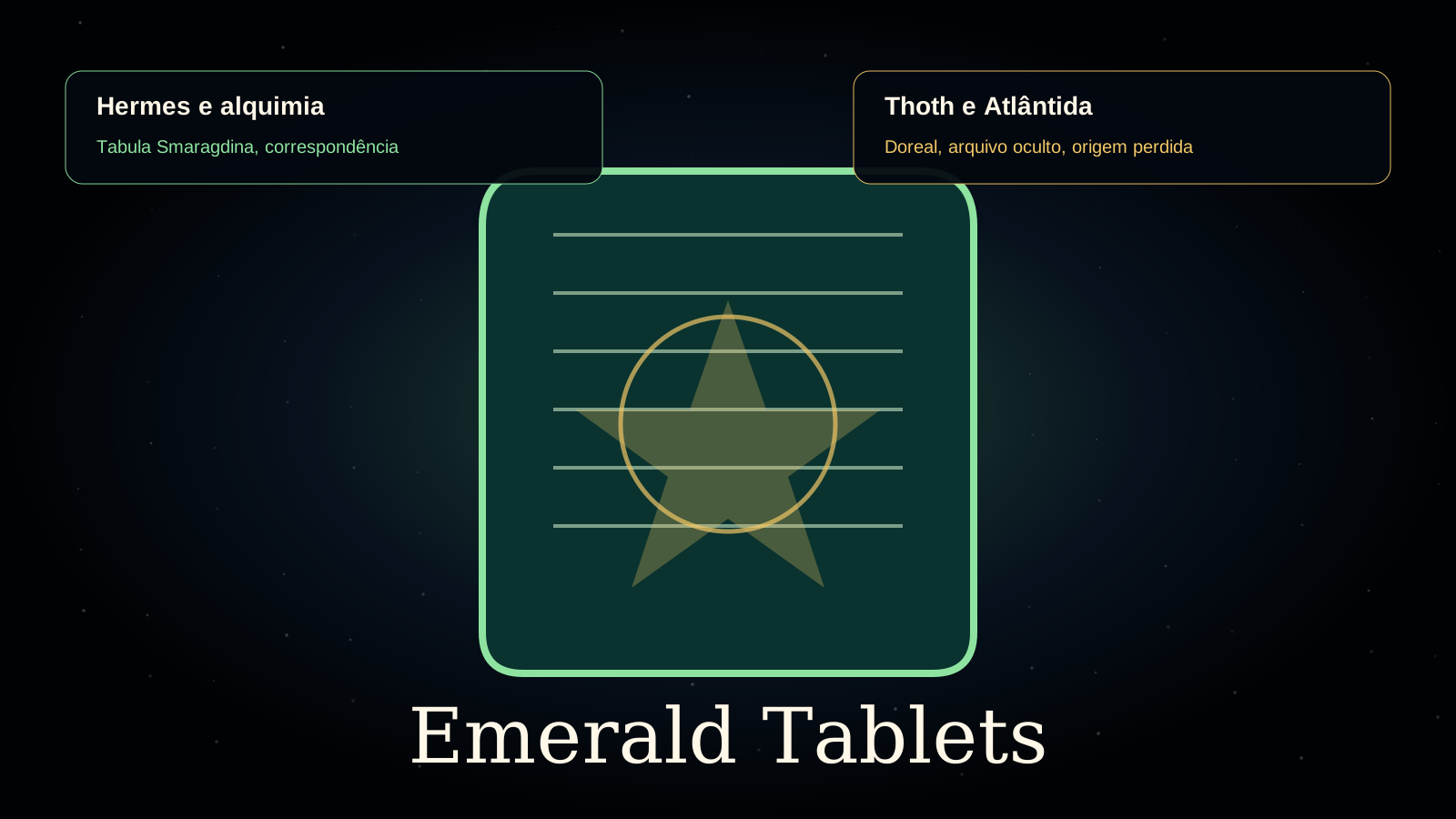
There is an important confusion. The Emerald Tablet, singular, is a short text from the Hermetic and alchemical tradition, transmitted in medieval Arabic and Latin versions, traditionally attributed to Hermes Trismegistus. It became famous for the idea of correspondence between above and below, macrocosm and microcosm.
The Emerald Tablets of Thoth the Atlantean, plural, are something else: a twentieth-century occult text published by Maurice Doreal, who claimed to have translated ancient tablets from Thoth, described as an Atlantean sage. This version mixes Egypt, Atlantis, hidden masters, vibrational ascension and modern esoteric cosmology.
The Hermetic Tablet
The medieval Emerald Tablet belongs to Hermeticism, Alchemy and natural philosophy. Its force comes from the idea that the whole universe operates through correspondences: what happens on one scale echoes on another. That is why it became so important for alchemists, Renaissance magicians and esoteric readers.
The text is short, enigmatic and charged. It does not function as a modern scientific treatise; it functions as contemplative formula, language of symbolic operation and key for thinking transformation of matter and soul.
“As above, so below”
The most famous phrase associated with the Emerald Tablet points to a powerful intuition: the world would not be a pile of separate objects, but a system of mirrors between heaven, earth, body, soul and matter.
This is the part that remains alive. Even when alchemy ceased to be chemical science, its symbolic grammar remained as a language of inner transformation.

Doreal, Thoth and Atlantis
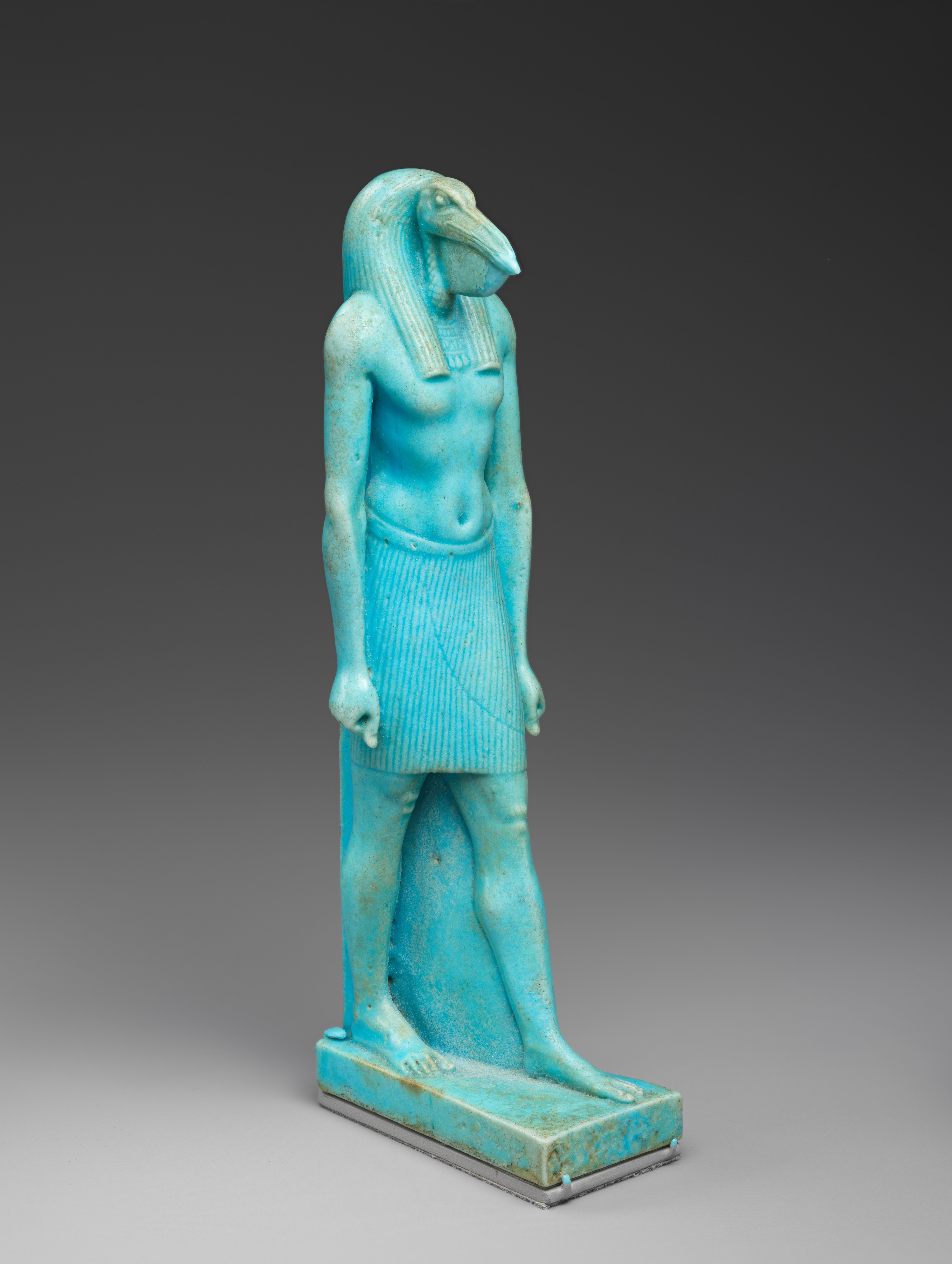
The more conspiratorial and modern layer comes from Maurice Doreal, an American occultist connected with the Brotherhood of the White Temple. He claimed to have found or received tablets from Thoth and published his translation as ancient teaching. In this narrative, Thoth is not only an Egyptian god or syncretized Hermes: he becomes an Atlantean master, guardian of a spiritual science older than known history.
This version connects Emerald Tablets to Book of Thoth, Ancient Egypt, Atlantis, Ancient Aliens, Akashic Records and narratives of lost knowledge. The implied “conspiracy” is that humanity forgot, lost or hid an ancient science capable of uniting energy, consciousness and immortality.
Why it seduces
Emerald Tablets seduces because it offers a noble fantasy: somewhere before the fall, before modernity, before the separation between religion, science and magic, there was a complete wisdom. That wisdom was carved in stone, hidden in temples, preserved by initiates and rediscovered only by those ready to receive it.
The theme touches a real hunger: the desire for knowledge to be not only information, but initiation. The reader does not only want to learn a fact; they want to cross a threshold.
Critical reading
The Hermetic Emerald Tablet has a complex textual history and deserves serious study. Doreal's Emerald Tablets, however, should be treated as modern occultism, not as confirmed archaeological document. There is no public evidence for Atlantean physical tablets translated by Doreal.
That does not make the text irrelevant. It is culturally important because it shows how the twentieth century reimagined antiquity: Thoth became cosmic master, alchemy became vibration, Atlantis became lost archive and spirituality became ascension technology.
Why it belongs on AwakenMap
Emerald Tablets mainly touches the fracture between science and meaning, with a second layer between reason and intuition. The theme asks whether knowing is only measuring, dating and proving, or whether there is also a symbolic way of reading the world that modernity pushed to the margins.
AwakenMap's answer is not to abandon historical criticism. It is to recompose the parts: recognize the initiatory force of symbol without turning desire into proof. This impulse to reconnect nature, language, body, cosmos and meaning is the same movement that runs through the Great Awakening as a whole.
How to continue on the map
After this theme, explore Book of Thoth, Hermeticism, Alchemy, Ancient Egypt, Atlantis, Ancient Aliens, Kabbalah, Tree of Life, Gnosticism, Mystery of Universal Creation and return to Source.
Simple summary
Emerald Tablets mixes two different traditions: the Hermetic Emerald Tablet, a medieval text of alchemy and symbolic correspondence, and the Emerald Tablets of Thoth the Atlantean, a modern occult work attributed by Maurice Doreal to ancient tablets from Thoth. The first belongs to Hermetic history; the second belongs to modern esotericism and narratives of Atlantis and lost knowledge.
References and starting points
- Internet Sacred Text Archive - Emerald Tablet of Hermes
- Emerald Tablet - history and Arabic recensions
- Hermes Trismegistus - Britannica
- Maurice Doreal - overview and sources
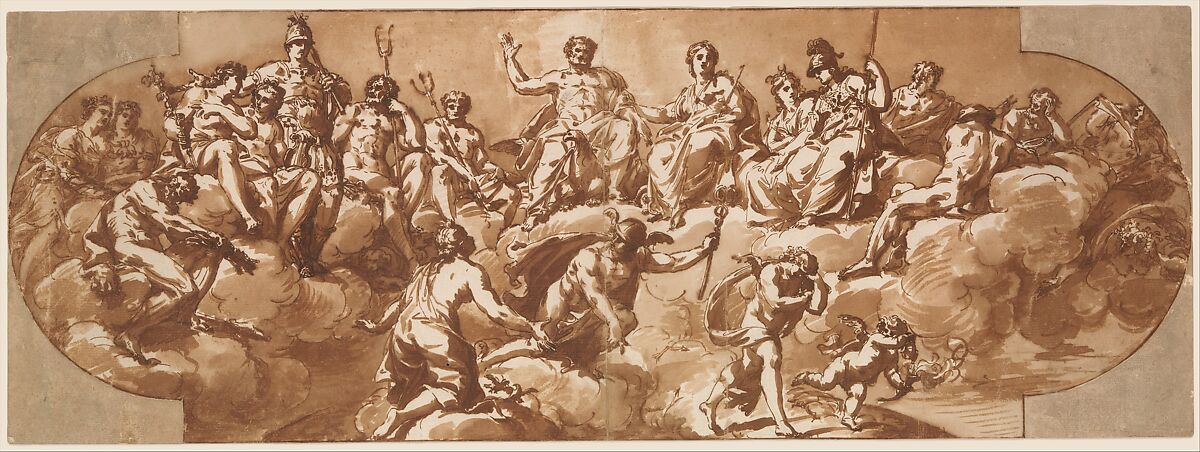
- The Met - Council of the Gods
- The Met - Heilbrunn Timeline: Alchemy
FAQ
Are Emerald Tablet and Emerald Tablets the same thing?
Not exactly. The first is the classic Hermetic text; the second usually refers to Maurice Doreal's modern text about Thoth, Atlantis and initiation.
Do Doreal's tablets physically exist?
There is no accepted public proof of physical Atlantean tablets translated by Doreal. The text is better read as modern occultism.
Why is this theme so important in esotericism?
Because it promises a key of correspondence between matter, soul and cosmos: the idea that transforming the world and transforming oneself are connected processes.
Keep exploring
You can open another path
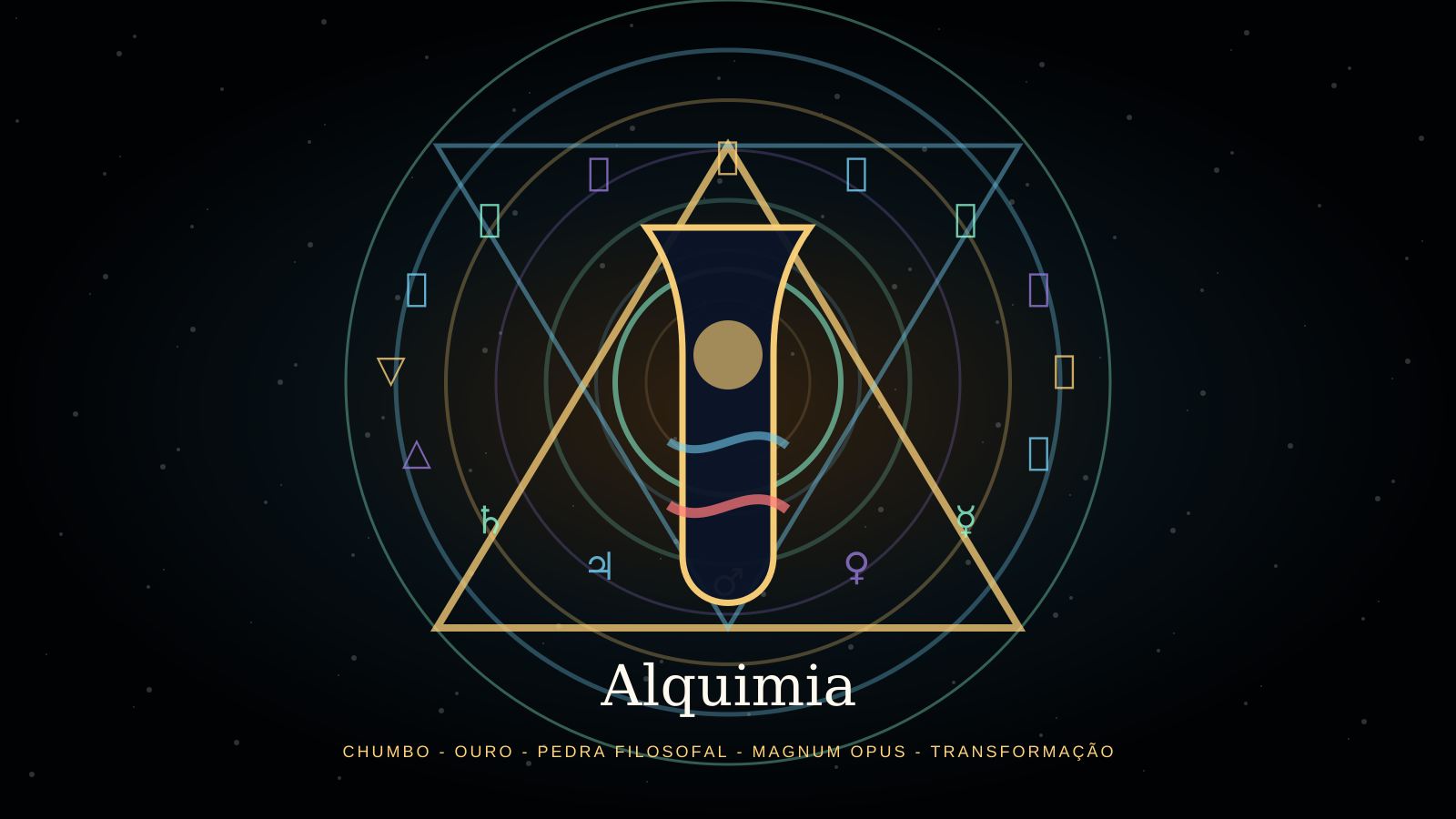 Esoteric practices Alchemy 5/5 intensity Explore →
  Esoteric practices Hermeticism 5/5 intensity Explore →
  Ancient civilizations Ancient Egypt 4/5 intensity Explore →
  Ancient civilizations Atlantis 4/5 intensity Explore →
  Esoteric practices Book of Thoth 4/5 intensity Explore → Esoteric practices Hermeticism 4/5 intensity Explore →
Join the conversation
Comments are moderated. Keep the discussion respectful and distinguish evidence, interpretation and personal experience.