Connection level
3 direct connectionsAncient India is one of the great pillars of human history: planned cities of the Indus civilization, Vedic traditions, Upanishadic philosophy, Buddhism, Jainism, empires, mathematics, astronomy, medicine and a spiritual language that still moves through the world.
What belongs inside Ancient India
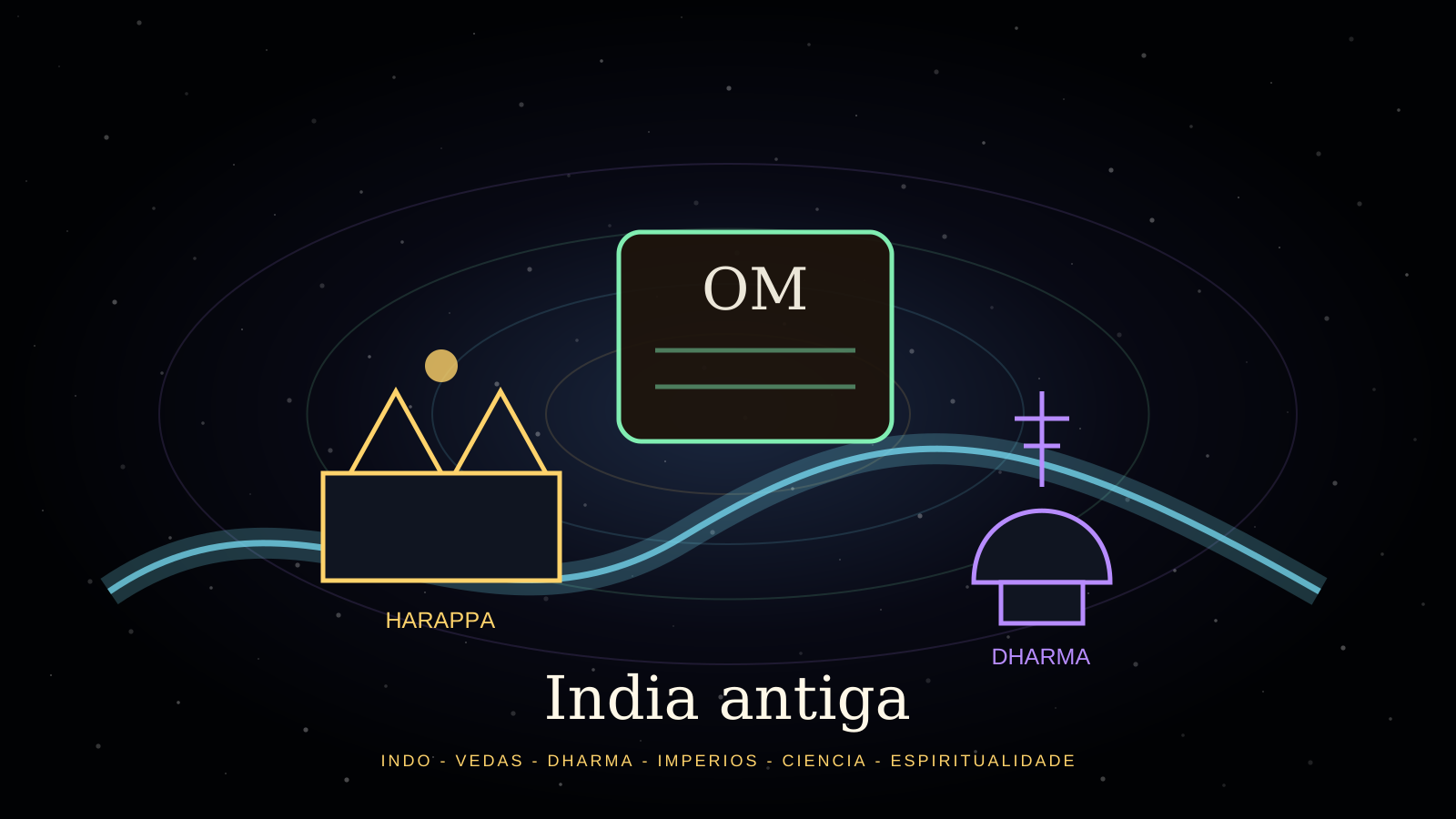
The theme is not one closed civilization. It crosses many centuries and regions: the Indus or Harappan civilization, the Vedic period, ancient kingdoms and republics, the Maurya and Gupta empires, and religious and philosophical traditions that grew through dialogue, conflict and continuity.
On AwakenMap, Ancient India connects to ancient civilizations, ancient ruins, ancient aliens, Sacred Geometry, Akasha, meditation, energy and Alchemy. It is a key theme because it joins archaeology, sacred text, inner practice and cosmic imagination.
Indus/Harappa: city before myth
The Indus civilization flourished across a vast area of South Asia. Before any mystical reading, there is a powerful archaeological reality: planned cities, standardized bricks, drainage systems, weights, seals, trade and a script that remains undeciphered.
Dholavira, recognized by UNESCO as a Harappan city, shows this sophistication concretely. The site preserves urban planning, water systems and an organization that challenges the simplistic idea that ancient peoples lived only by improvisation.
The real image that opens the theme
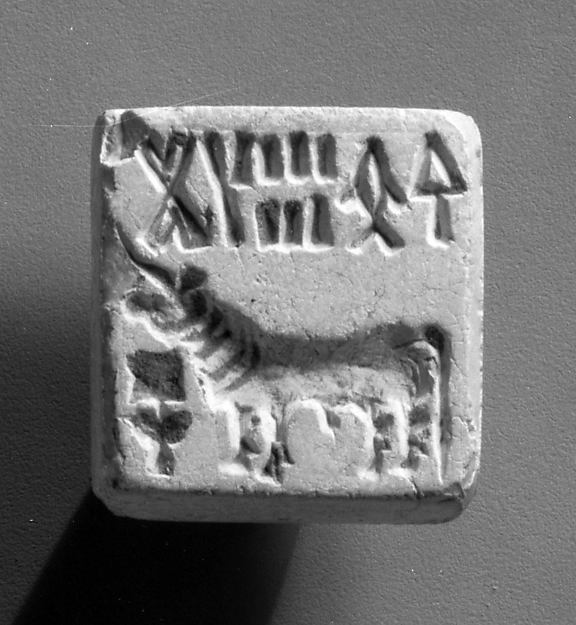
This Indus seal, preserved at the Metropolitan Museum of Art, shows an animal and signs that remain undeciphered. It is small, but it carries a huge question: what administrative, commercial and symbolic world stood behind these signs?
It keeps the article grounded. Before speaking of vimanas, mantras or cosmic ages, Ancient India is also seal, city, trade, clay, stone, water and writing.
Vedas: sound, ritual and memory
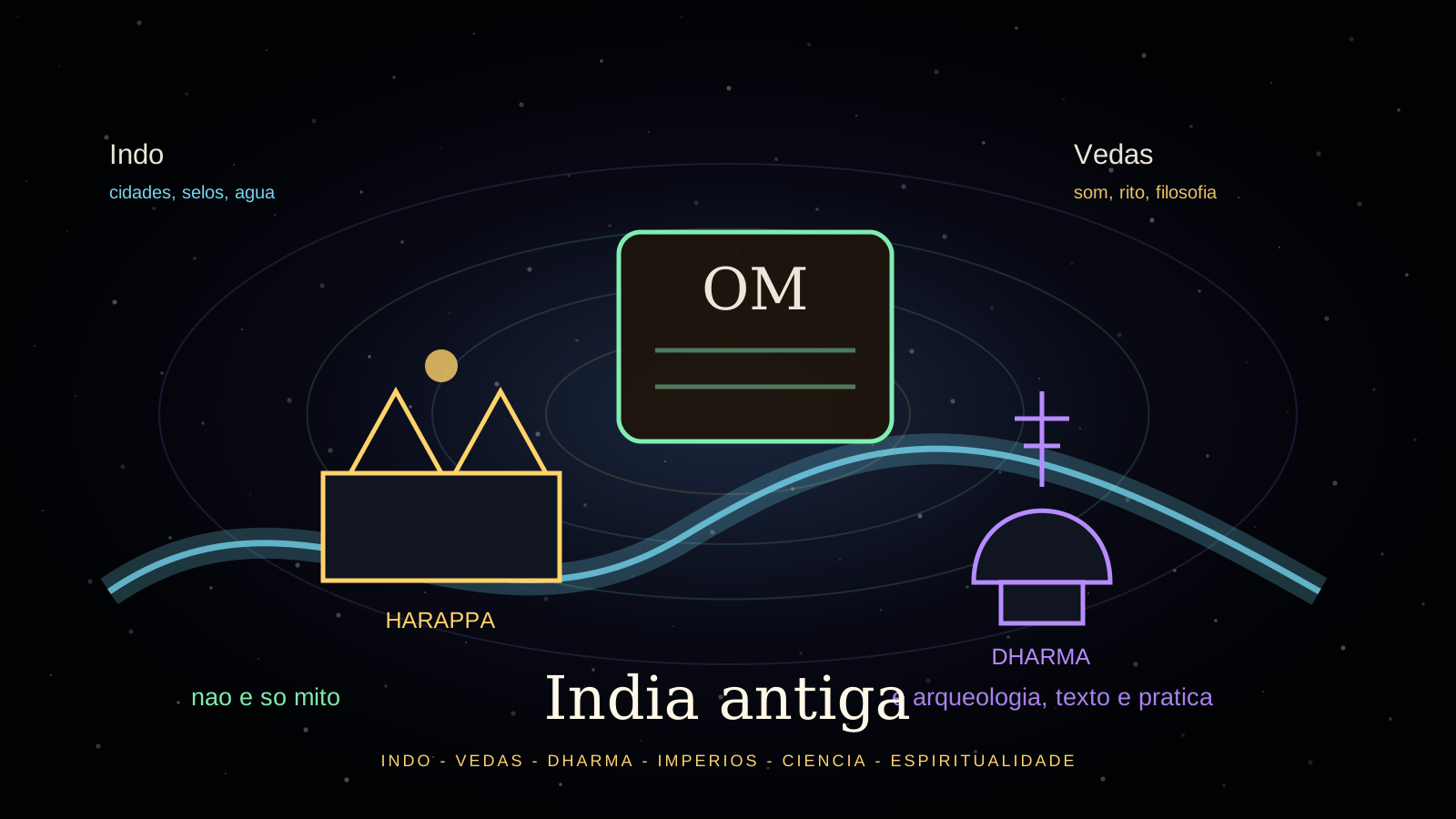
Then comes the Vedic layer, marked by hymns, rituals, oral transmission and a deep relation between sound, cosmic order and human world. What grips us here is not only ancient religion, but the idea that word, rhythm and memory could sustain a civilization.
This dimension speaks directly to Akasha and meditation. When a tradition gives so much importance to sound, mantra and listening, it creates a bridge between language, consciousness and spiritual practice.
Upanishads: when the question turns inward
The Upanishads move the center from ritual toward inner investigation. Questions such as "who am I?", "what is the absolute?" and "what is the relation between self and cosmos?" run through these texts. Terms such as atman, brahman, karma and liberation enter the spiritual vocabulary of the world.
That is why Ancient India should not be reduced to exoticism or mystery. It produced highly sophisticated philosophical reflection on consciousness, death, desire, suffering, discipline and freedom.
Buddhism, Jainism and the path of practice
Ancient India is also the birthplace of Buddhism and Jainism. These traditions answered the world with practices, ethics and diagnoses of suffering. It is not only belief: there is discipline, meditation, nonviolence, non-attachment and investigation of mind.
This layer helps the modern reader understand why India remains so present in consciousness themes. Many practices that now appear in global language - meditation, attention, compassion, non-attachment - have deep roots in this environment.
Maurya and Gupta: empire, art and science
The Maurya Empire showed the power of large-scale political administration. Ashoka, after the Kalinga war, became a central figure by linking imperial power, ethics, Buddhism and public inscriptions.
The Gupta period is often remembered for advances in art, literature, mathematics, astronomy and culture. Ancient India was not only temple and meditation: it was also calculation, observation, medicine, grammar, trade and political court.
Vimanas and ancient technology: where care is needed
Ancient Indian texts speak of celestial chariots, divine weapons and extraordinary journeys. These images feed modern readings about lost technology and ancient aliens. The theme is fascinating, but it needs care: myth, epic poetry and technological speculation are not the same thing.
The better path is to study the text within its culture and then observe how it was reinterpreted. In that way the imagination remains alive without turning every symbolic image into literal proof.
Why Ancient India grips people
It grips people because it joins city and sky, body and cosmos, sound and mathematics, myth and discipline. The reader finds ruins, undeciphered seals, sacred texts, empires, ascetics, kings, astronomy and inner practices. It is an ancient world that still seems to speak to current questions.
Connections to continue
After this theme, open ancient civilizations, ancient ruins, Akasha, meditation, Sacred Geometry, energy and ancient aliens. This path leads from the ancient city to consciousness, from seal to mantra, from archaeology to spiritual imagination.
Simple summary
Ancient India is the set of cultures and periods that includes the Indus civilization, the Vedas, the Upanishads, Buddhism, Jainism and major empires such as Maurya and Gupta. Its impact comes from the rare combination of ancient urbanism, oral transmission, philosophy, spiritual practice, science and symbol.
References and starting points
- UNESCO - Dholavira: a Harappan City
- The Met - Seal with an Ox, Indus civilization
- The Met - Open Access at The Met
- British Museum - Indus Valley Civilisation collection term
- National Museum, New Delhi - Harappan Collection
- Khan Academy - Art of South Asia: Prehistory to c. 500 CE
- Khan Academy - The Maurya and Gupta Empires
- Smarthistory - An Indus Seal
- World History Encyclopedia - Civilization
FAQ
Was the Indus civilization already Hindu?
That cannot be stated simply. Indus/Harappa predates many later religious forms. Possible continuities exist, but so do ruptures and debates.
Has the Indus script been deciphered?
No. The signs appear on seals and objects, but there is still no public consensus on decipherment.
Do vimanas prove ancient aircraft technology?
Not as direct historical proof. They are powerful images in texts and traditions, but they need to be read within literary, religious and symbolic context.
Keep exploring


Join the conversation
Comments are moderated. Keep the discussion respectful and distinguish evidence, interpretation and personal experience.