Connection level
22 direct connectionsThe Vatican belongs on AwakenMap through the moment when the search for revelation confuses historical accountability with a myth of invisible command. Few places combine so much faith, diplomacy, art, archives, money, administrative secrecy and popular imagination. The subject has to be read in two layers: the documented Vatican, with institutions, treaties and scandals that can be studied; and the mythical Vatican, used as a shortcut for explaining hidden power.
The modern Vatican City State was created in 1929 through the Lateran Treaty between the Holy See and Italy. The Holy See is much older than the microstate itself, and that distinction matters. Holy See, Catholic Church, Roman Curia and Vatican City are connected, but they are not identical.
The Vatican becomes conspiratorially powerful because it is a rare combination: a religious center, a sovereign state, a diplomatic actor, an archive, a museum complex and a financial institution. For many, it is a spiritual center. For critics, it is also an institution marked by wealth, silence, abuse scandals and political influence. Conspiracy begins when this complexity becomes one master key: everything is supposedly Vatican, or everything supposedly passes through Rome.
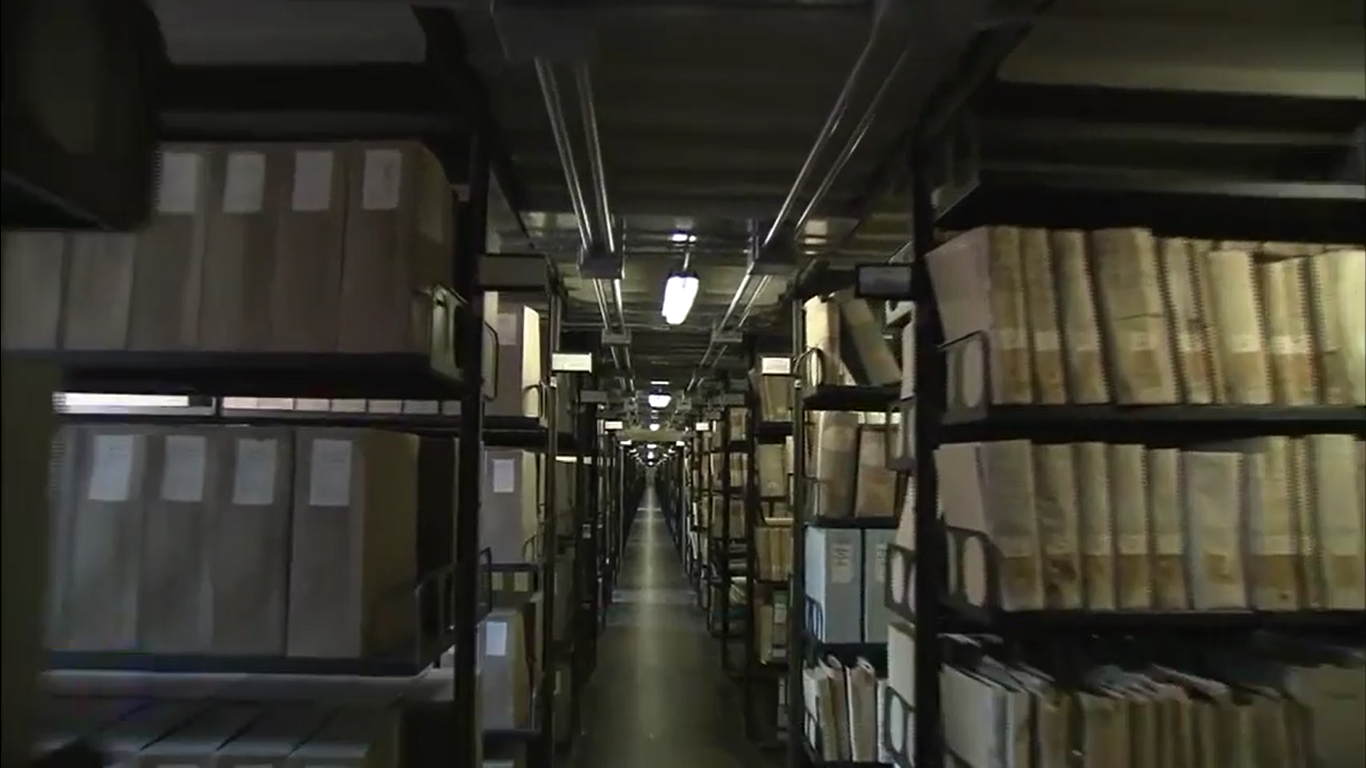
The former Vatican Secret Archive, now the Vatican Apostolic Archive, is central to that imagination. The word “secret” historically meant private, not a cinematic vault of forbidden truth, but the old name and controlled access made speculation almost inevitable. The modern archive was organized in the early seventeenth century and was officially opened to qualified researchers in 1881. In 2019 Pope Francis changed the name to reduce the misleading public meaning of “secret”.
The financial layer is also real. The Institute for the Works of Religion, popularly called the Vatican bank, was established by Pius XII in 1942, with earlier administrative roots. Its declared mission is to custody and administer assets for religious and charitable works. The conspiracy leap happens when this real financial institution becomes the claim that Rome controls every currency, bank and debt system on Earth.
A concrete case is Banco Ambrosiano. In 1982, the Italian bank collapsed amid international financial operations, offshore companies, debt and links with the IOR. Its chairman Roberto Calvi was found dead beneath Blackfriars Bridge in London. The scandal damaged the Vatican's reputation and became lasting fuel for narratives about secret societies, Freemasonry, Illuminati and hidden command networks.
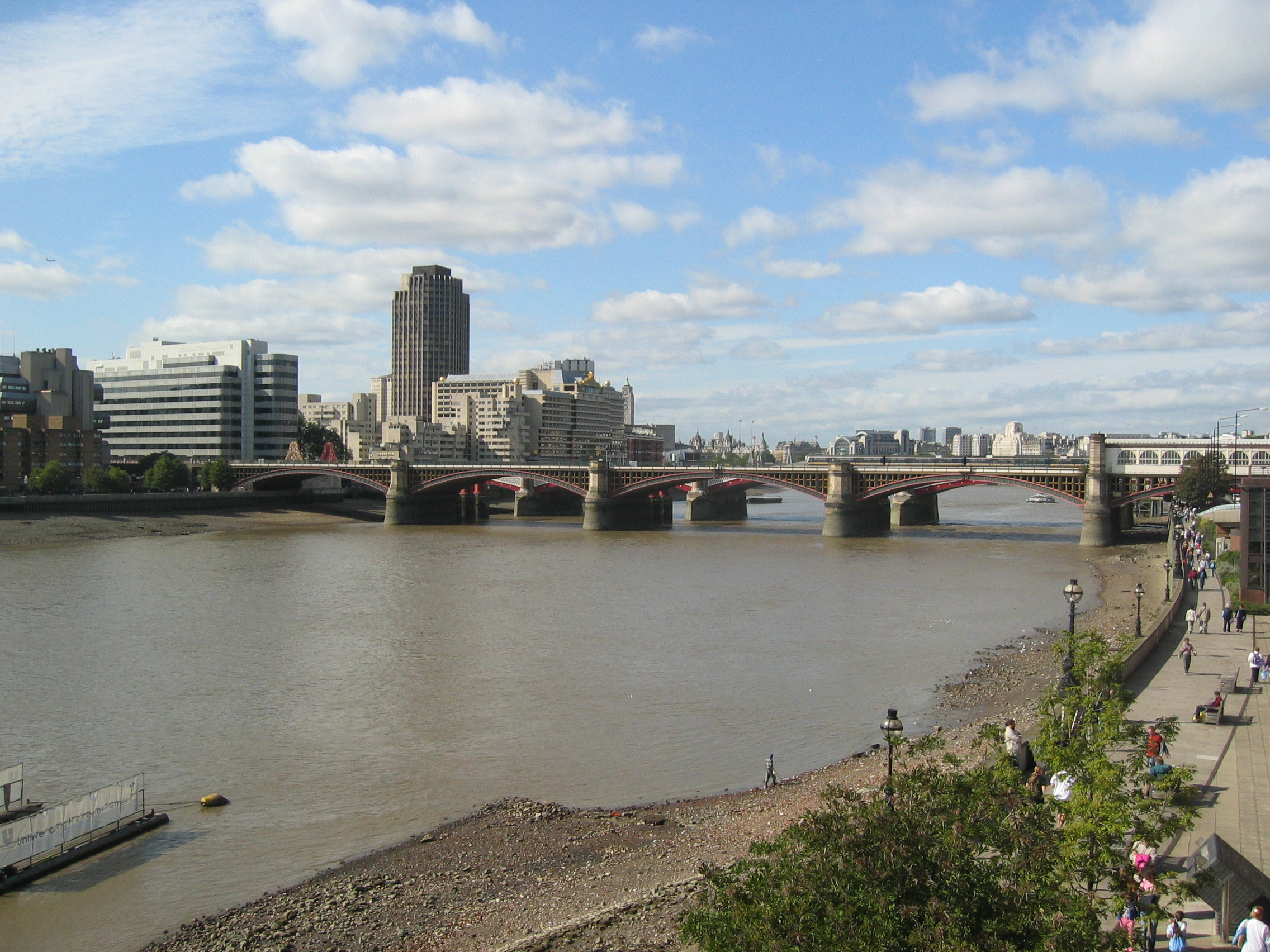
The useful question is not whether institutions can hide things; they clearly can. The better question is when evidence points to a specific abuse, archive, financial scandal or diplomatic decision, and when the claim becomes an all-explaining myth. That boundary connects this node to Vatican Library, claim that the Vatican controls all world currency, Jesuits, Cabal / Deep State / Illuminati and global control.
Simple Summary
The Vatican is a real religious, political and symbolic institution, with modern sovereignty since 1929, major archives and its own financial structures. Conspiracy theories grow when real secrecy, scandals and institutional opacity are turned into proof that Rome controls the world.
References And Starting Points
- Holy See - general information on Vatican City State and the Lateran Treaty
- Vatican Apostolic Archive - historical notes
- Pope Francis - renaming the former Vatican Secret Archive
- IOR - the Institute for the Works of Religion today
- Pope Francis - statutes of the Institute for the Works of Religion
- UPI - Banco Ambrosiano bankruptcy in 1982
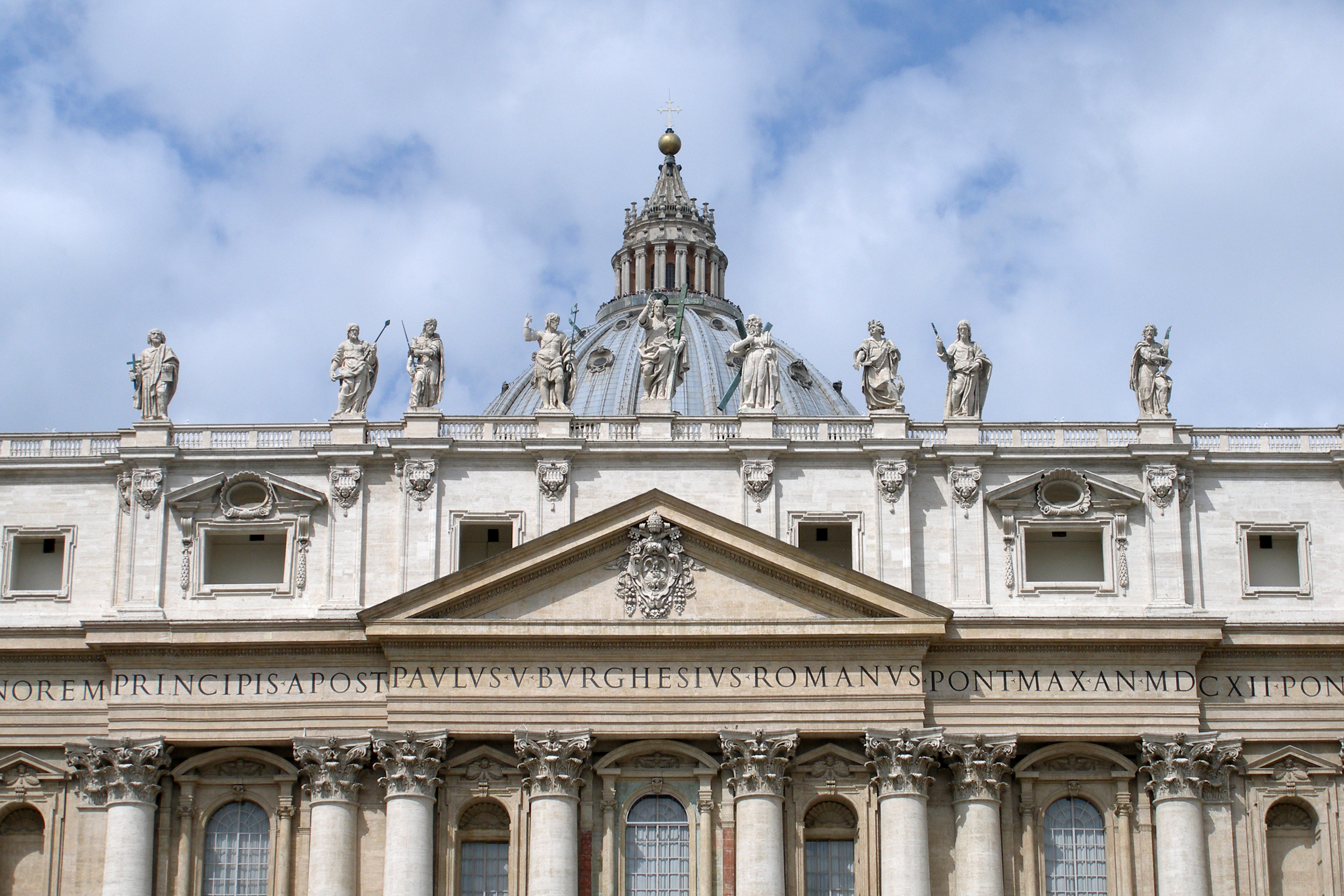
- Wikimedia Commons - facade of Saint Peter's Basilica
- Wikimedia Commons - interior of the former Vatican Secret Archives
- Wikimedia Commons - Blackfriars Bridge
Why It Belongs On AwakenMap
Because the Vatican is one of the clearest nodes where faith, memory, state power, money, archives and suspicion meet. It helps map the boundary between historical investigation, institutional criticism and totalizing narratives of hidden control.
Keep exploring
You can open another path
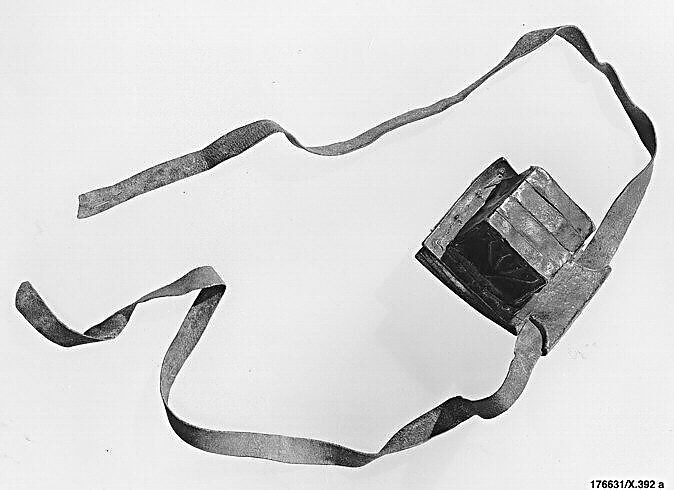 Esoteric practices Black Cube 1/5 intensity Explore →
  Control systems Cabal / Deep State / Illuminati 1/5 intensity Explore →
 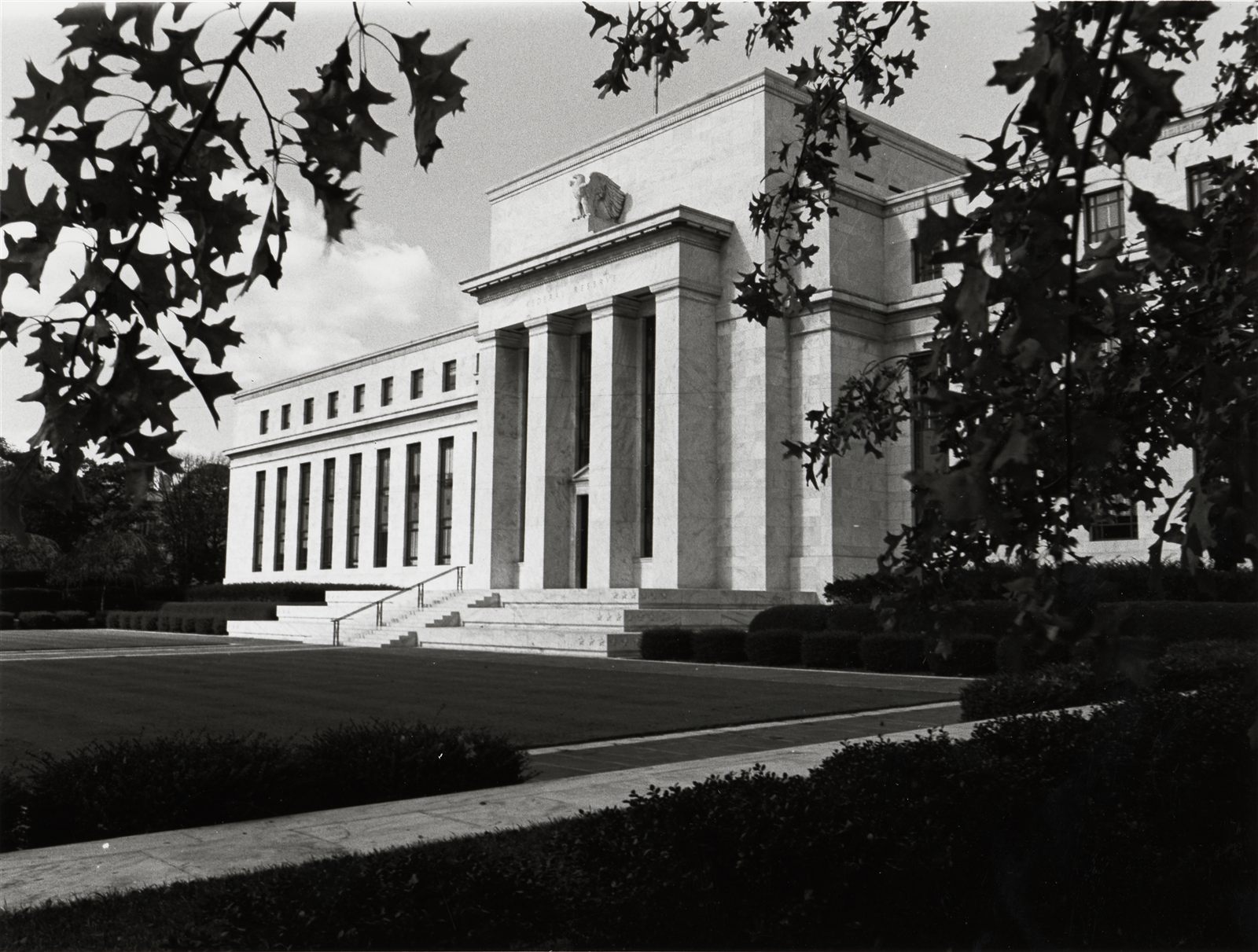 Control systems Central Banking 1/5 intensity Explore →
  Control systems Vatican Owns All World Currency 1/5 intensity Explore →
  Control systems Freemasonry 1/5 intensity Explore →
  Control systems Global Control 1/5 intensity Explore →
Join the conversation
Comments are moderated. Keep the discussion respectful and distinguish evidence, interpretation and personal experience.