Connection level
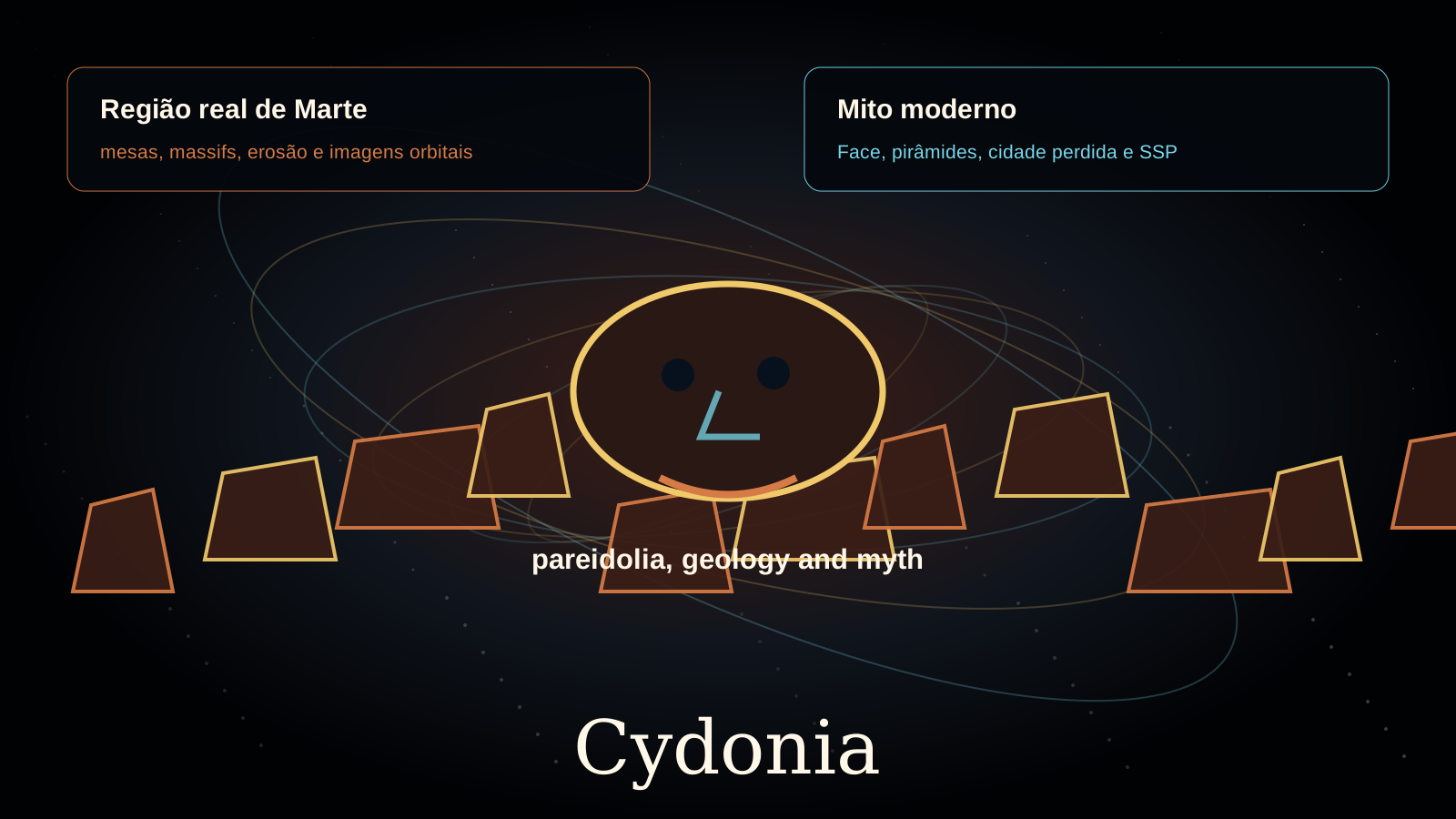
15 direct connectionsCydonia is a real region of Mars that became one of the great modern symbols of space mystery. The name became famous because of the "Face on Mars" and formations popularly called pyramids. On AwakenMap, Cydonia needs two layers: documented Martian geology and the cultural myth of ruins, ancient civilizations and lost technology.
What Cydonia is
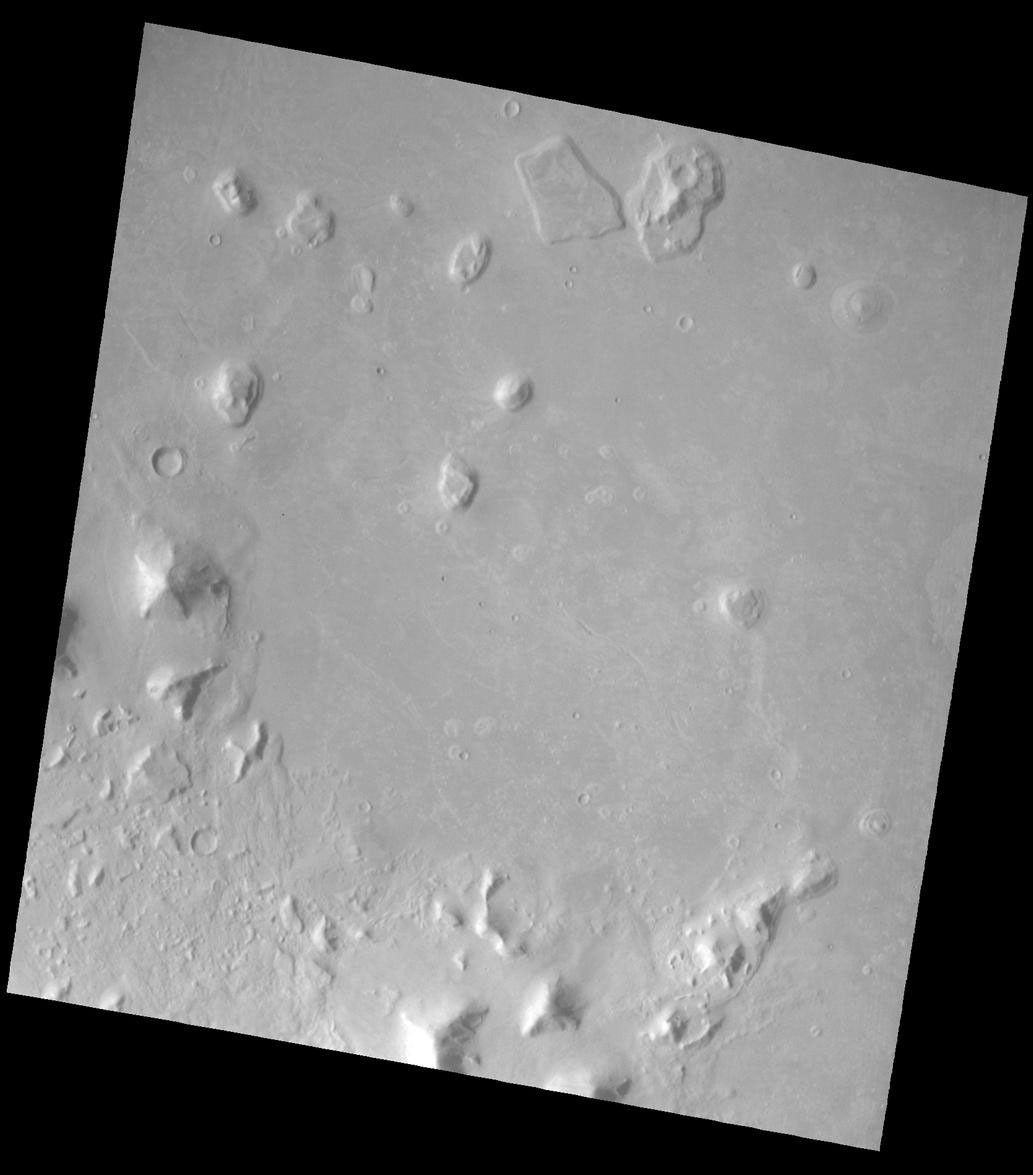
Cydonia is an area of Mars located in the transition between cratered highlands and northern plains. The region has mesas, hills, remnant blocks and eroded terrains. It became famous because low-resolution Viking images seemed to show a human face.
With later higher-resolution images, especially from Mars Global Surveyor and Mars Express, the scientific reading became clearer: the "face" is a natural formation whose appearance depends on lighting, angle and human expectation.
Why it belongs on AwakenMap
Cydonia connects with Mars, Face on Mars, Cydonia Pyramids, pyramids, Ancient Builder Race, sacred geometry, the Secret Space Program and NASA. The theme shows how an orbital image can become modern mythology.
It also helps separate three things: planetary data, visual interpretation and ancient-civilization narrative.
The Cydonia “pyramid”
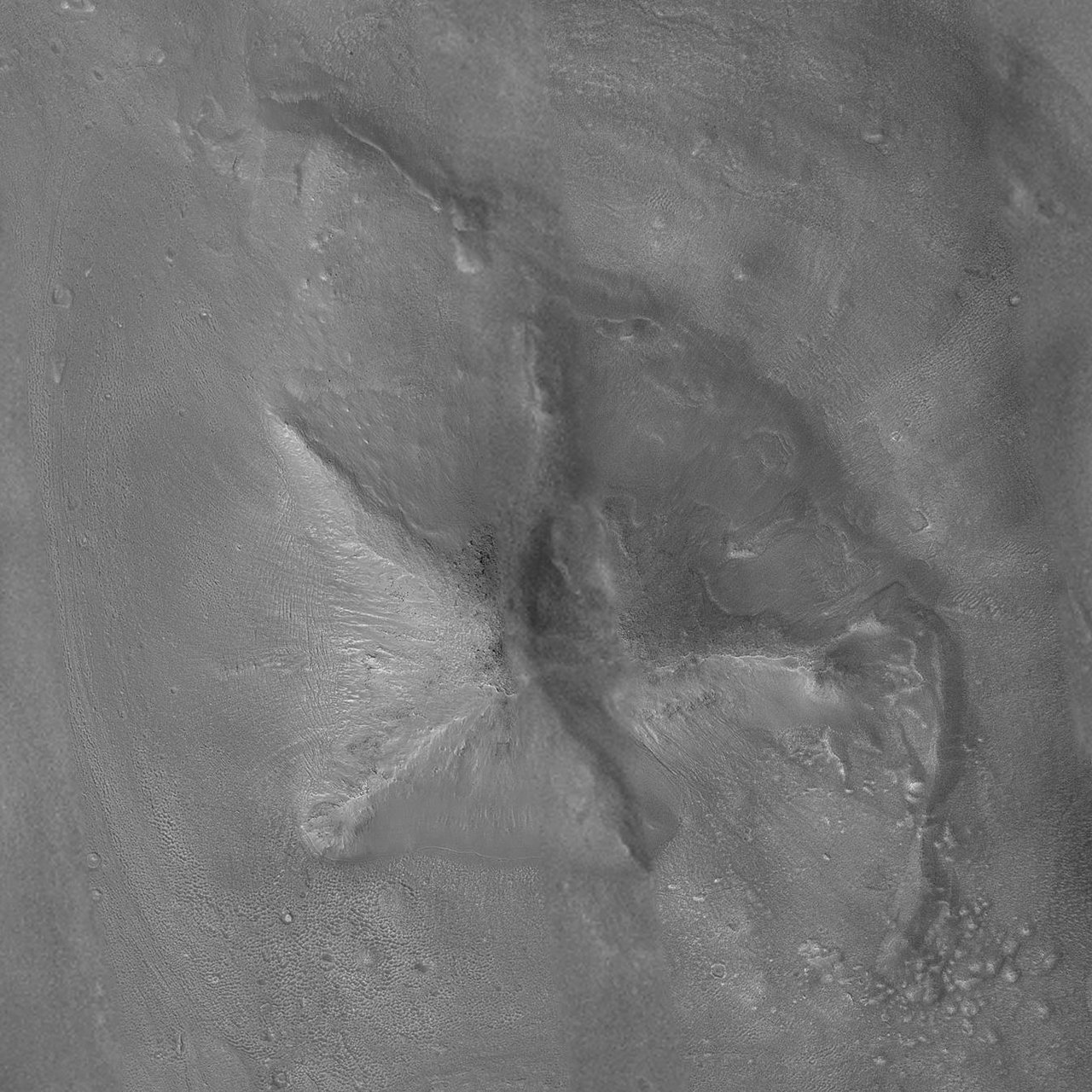
The so-called D&M Pyramid is a real formation photographed by spacecraft, but JPL's own description notes that it is not really shaped like a pyramid. It is an eroded landform in a region full of mesas and remnant blocks.
This does not erase the cultural value of the theme. It changes the question: why do certain natural forms so quickly activate the idea of artificial ruins?
Pareidolia and imagination
Pareidolia is the tendency to recognize familiar patterns, such as faces, in ambiguous forms. The human brain is excellent at detecting faces; this ability is useful, but it also creates false positives.
In Cydonia, that tendency meets a perfect setting: Mars, low resolution, strong shadows, institutional silence and the human desire for signs of another intelligence.
Ruins or geology?
The dominant scientific interpretation is geological: erosion, relief, illumination and terrain remnants. The alternative interpretation reads Cydonia as an ancient city, monument complex, planned geometry or trace of the Ancient Builder Race.
To turn that hypothesis into history, direct evidence would be needed: artificial material, construction patterns, dating, archaeological context and observable repetition. So far, public images better support the geological reading.
Cydonia as useful myth
Even without proving ruins, Cydonia matters because it reveals something about us. It shows how humanity searches for signs in the cosmos and how one photograph can create decades of debate about life, memory and concealment.
In this sense, Cydonia is less a final answer and more a discernment test: what do we see, what do we want to see, and what does the evidence allow us to say?
How to continue on the map
After this theme, explore Face on Mars, Cydonia Pyramids, Mars, Ancient Builder Race, pyramids, sacred geometry and the Secret Space Program.
Simple summary
Cydonia is a real region of Mars famous for the Face on Mars and formations called pyramids. Science interprets these forms as geology and pareidolia; alternative narratives read them as possible ruins. The theme is valuable because it separates image, evidence and modern myth.
References and starting points
- NASA Science - Face on Mars
- JPL - The Cydonia D&M Pyramid Landform
- ESA - Cydonia, the face on Mars
- NASA Science - Mars Global Surveyor
- MSSS - Mars Orbiter Camera views Face on Mars
FAQ
Is the Face on Mars artificial?
The accepted scientific interpretation is that it is a natural formation whose facial appearance comes from light, shadow, relief and pareidolia.
Are there pyramids in Cydonia?
There are formations popularly called pyramids, but geological reading interprets them as mesas, massifs and eroded terrain.
Why does Cydonia still matter?
Because it became a classic case of how space images, mystery, science and conspiratorial imagination meet.
Keep exploring
You can open another path
AwakenMap theme Cydonia Pyramids 5/5 intensity Explore →  AwakenMap theme Face on Mars 5/5 intensity Explore → AwakenMap theme Face on Mars 5/5 intensity Explore →
  Esoteric practices Human Face 5/5 intensity Explore →
  Ancient civilizations Ancient Builder Race 5/5 intensity Explore →
  Ancient civilizations Asteroid Belt 4/5 intensity Explore →
Join the conversation
Comments are moderated. Keep the discussion respectful and distinguish evidence, interpretation and personal experience.