
Connection level
11 direct connectionsKecksburg UFO Crash is the case in which a fireball seen on December 9, 1965, over parts of the United States and Canada became one of the classic stories of a government-recovered object. The theme enters AwakenMap through the question of when a documentary gap becomes legitimate investigation and when it becomes certainty of cover-up: an incomplete archive may demand transparency, but it does not turn every hypothesis into proof.

That afternoon, residents across several U.S. states and Canada reported a bright fireball crossing the sky. The astronomical explanation points to a bolide: a very luminous meteor capable of producing light, sound and reports across a large area. Kecksburg entered the story because residents of the small Pennsylvania village said something fell in the woods and that authorities quickly arrived at the scene.
Local accounts mention smoke, vibration, police presence, military personnel and a metallic acorn-shaped object, about the size of a small car, with markings resembling hieroglyphs near the base. The official version said nothing was found. That difference between “something fell” and “nothing was found” formed the heart of the mystery.
Over time, the case became known as “Pennsylvania's Roswell.” The 1990 Unsolved Mysteries episode helped fix the image of the metallic acorn and turned Kecksburg into a place of UFO memory.
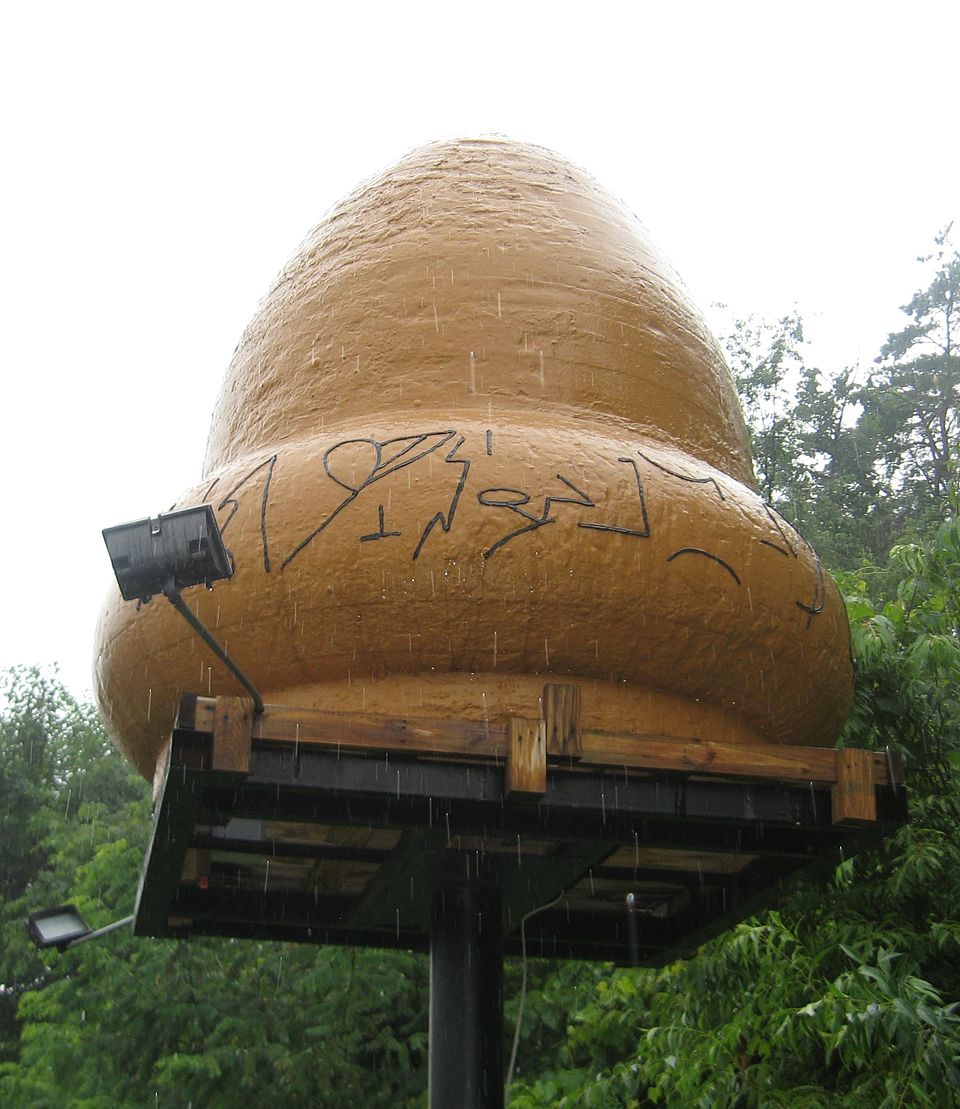
The conspiratorial layer appears when local testimony, military search and documentary absence begin to look like parts of one cover-up. If residents said they saw official movement and removal of an object, while public archives do not show a clear recovery, the gap becomes suspicion. When NASA was pressured by litigation and information requests to search for records, the news of hard-to-locate documents gave the case a second life: not only “what fell?” but “why do the records not appear?”
From there, different versions emerge. One says it was a non-human craft secretly recovered. Another says it was sensitive Soviet technology hidden to avoid exposing U.S. tracking capabilities during the Cold War. Another links the bell/acorn shape to the legend of Die Glocke, connecting the case to Project Paperclip, Operation Highjump and narratives of secret German technology. These readings do not carry the same weight: some begin from real historical context; others jump from visual resemblance to extraordinary conclusion.
The case speaks to UFO / UAP, disclosure, full disclosure, NASA, NASA cover-ups, black projects, the secret space program, unacknowledged special access projects and secret program researchers. It does not by itself prove a secret space program; it shows why recovered-object stories become an entrance into that wider network.
A concrete case
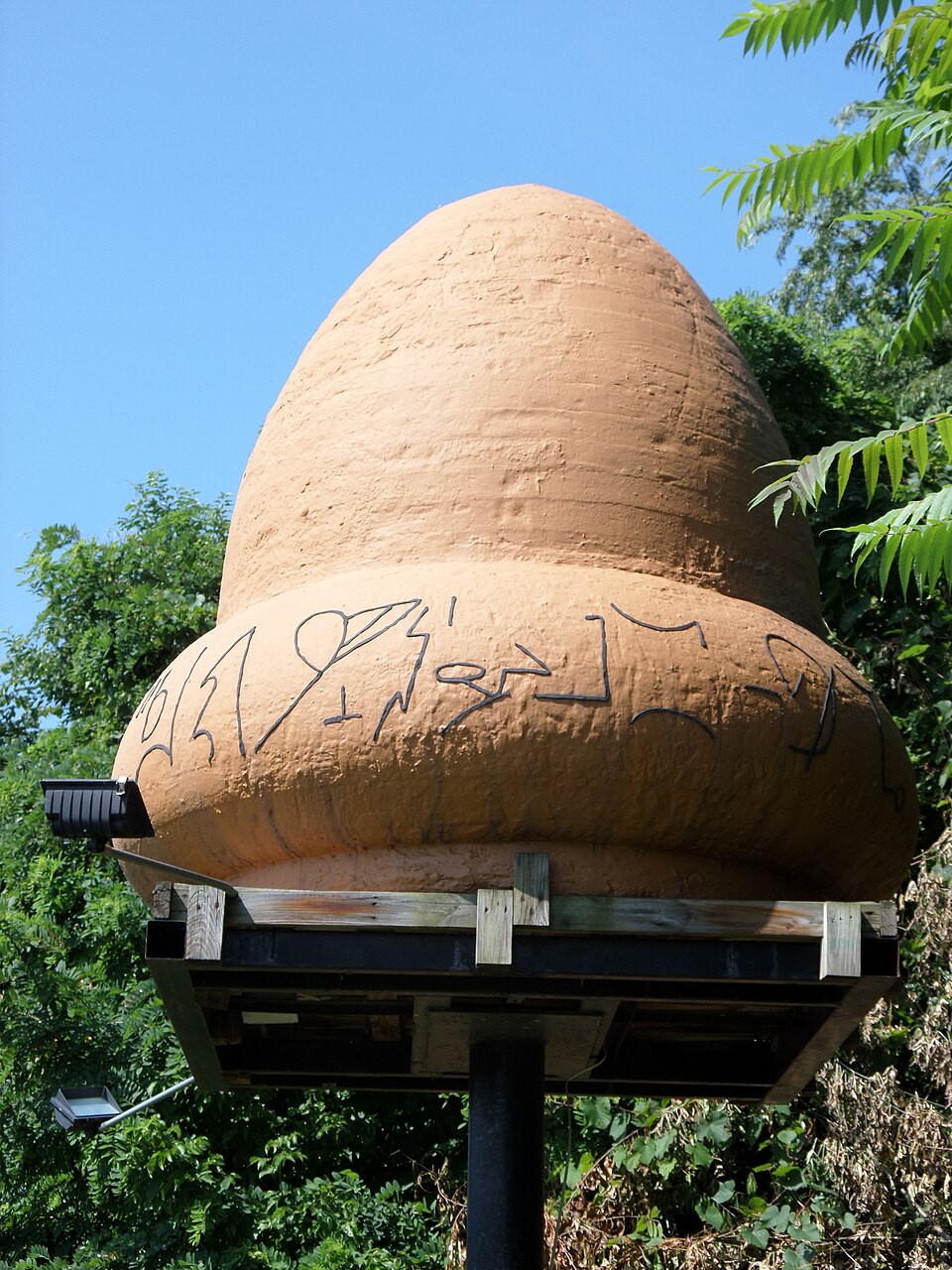
A concrete case is the document dispute that led NASA to search records about Kecksburg. In 2005, CBS reported that the agency had been court-ordered to look for documents related to the episode. The search mattered because NASA had mentioned analyzed fragments as possible Soviet satellite remains, but complete records of that analysis were not available. For those who see a cover-up, that sounded like indirect confirmation. For a cautious reading, it was a mixture of bureaucracy, incomplete archive, Cold War context and persistent public memory.
The acorn-shaped monument helps explain why the case remains alive. Even without the original object, the community built a concrete image for what people say they saw. The material culture came after the event: replica, sign, festival, tourism, documentaries. That does not prove a craft crashed. It proves Kecksburg became a place where testimony, archive and imagination still dispute the same night in 1965.
Why it belongs on AwakenMap
Kecksburg belongs on AwakenMap because it shows how an ambiguous event can become a myth of revelation. The fireball is physical; the acorn is testimonial; the truck is local memory; the missing archive is bureaucracy; the conspiracy begins when all of it seems to point toward a truth withheld from the public.
The philosophical connection lies in discernment between mystery and filling the gap. When a community feels it saw something and the state does not deliver a satisfying explanation, the void demands investigation. The risk is filling that void too quickly with the story we want to be true.
How to continue on the map
After this theme, explore UFO / UAP, disclosure, full disclosure, NASA, NASA cover-ups, black projects, the secret space program, unacknowledged special access projects and secret program researchers.
Simple summary
Kecksburg is a 1965 UFO case involving a fireball seen across a large area and local reports of a crash in Pennsylvania. The conventional explanation points to a meteor or space debris; the conspiratorial reading speaks of a recovered object, military operation and missing documents. The power of the case lies in the tension between persistent testimony, official denial, incomplete archives and disclosure culture.
References and starting points
- CBS News - NASA court-ordered to search Kecksburg files
- Unsolved Mysteries - Kecksburg witness accounts
- NASA CNEOS - fireballs and bolides
- The Black Vault - NASA documents on the Kecksburg petition
- Wikimedia Commons - Kecksburg object replica
- Wikimedia Commons - Space Acorn in Kecksburg
Keep exploring
You can open another path
 Map center Disclosure 5/5 intensity Explore →
  Map center Great Awakening 5/5 intensity Explore →
  Esoteric practices NASA 5/5 intensity Explore →
  Esoteric practices NASA Coverups 5/5 intensity Explore →
  Secret Space Program UFO / UAP 5/5 intensity Explore →
  Secret Space Program Secret Program Researchers 4/5 intensity Explore →
Join the conversation
Comments are moderated. Keep the discussion respectful and distinguish evidence, interpretation and personal experience.