
Connection level
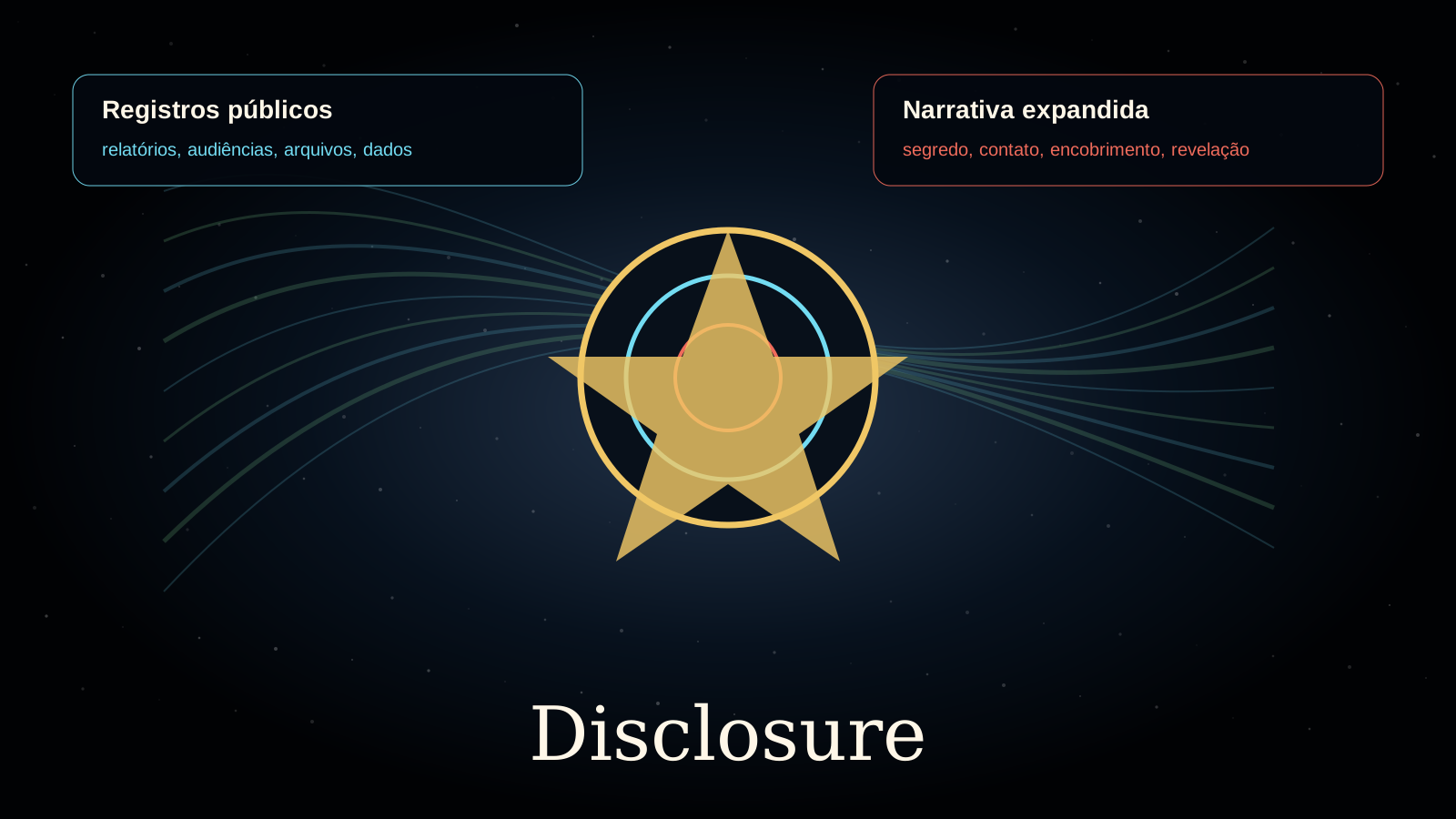
57 direct connectionsDisclosure is the idea of public revelation of information kept secret, especially around UFOs/UAPs, military programs, government records, classified technologies and possible non-human contact. On AwakenMap, the theme works as an axis between real transparency, ufology, politics, spirituality and cover-up narratives.
What disclosure means
In a broad sense, disclosure means making visible what was hidden. In the UAP field, this may mean releasing documents, standardizing reporting channels, opening sensor data, acknowledging official investigations or revisiting older programs.
In esoteric and conspiratorial use, the word gains another scale: a global revelation about extraterrestrial civilizations, secret agreements, hidden technologies, unacknowledged space programs and a shift in collective consciousness.
Why it belongs on AwakenMap
Disclosure connects Great Awakening, Full Disclosure, Cosmic Disclosure, UFO / UAP, Secret Space Program, SSP whistleblowers, NASA, NASA Coverups, CIA, Deep State and Galactic Federation. It is a central node because it organizes the question: what kind of truth would be hidden, who controls it and how should a society receive it?
The editorial reading needs to hold two things at once: governments really do classify national-security information; that does not automatically prove every cosmic cover-up claim.
Hearings and public pressure
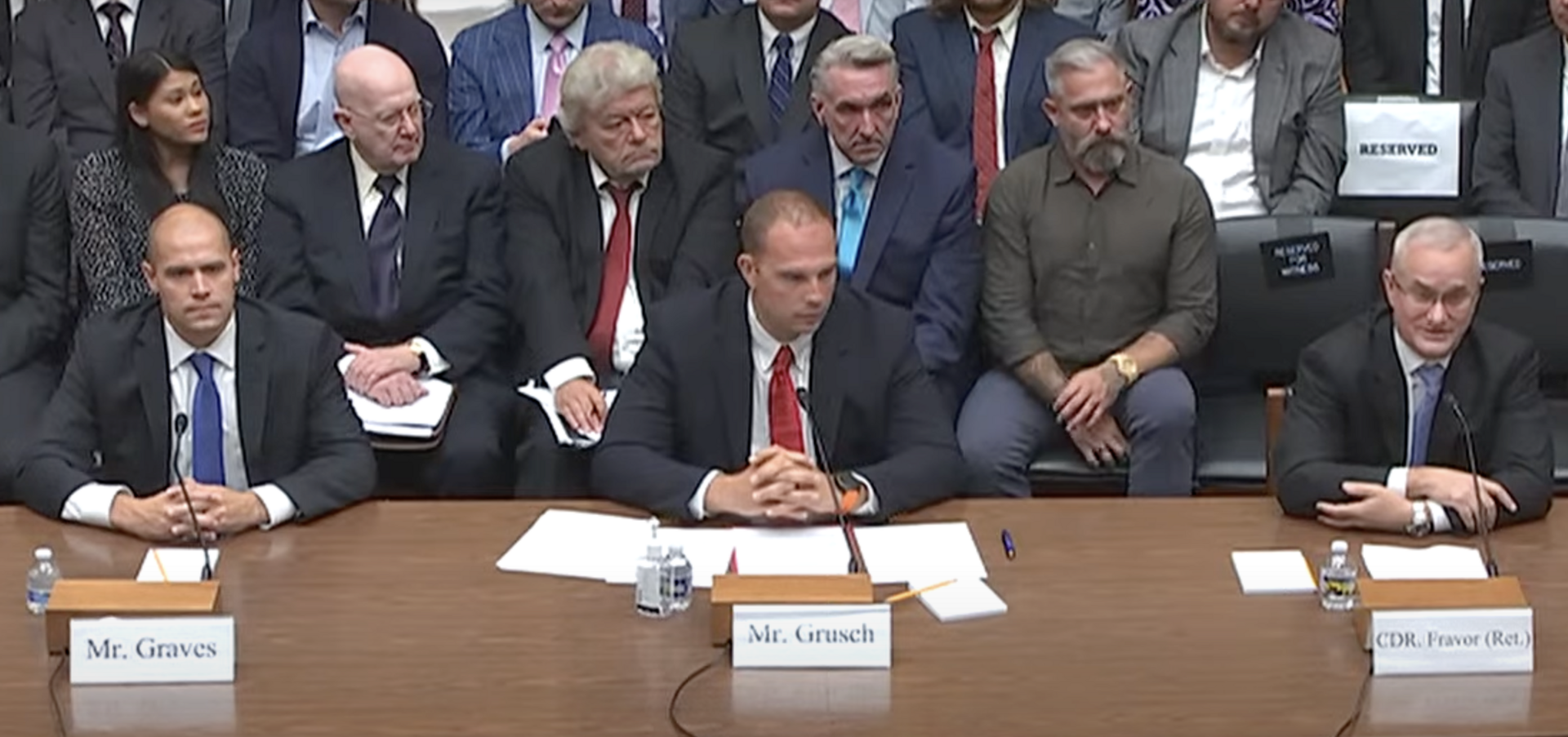
Since 2020, the UAP theme has gained institutional force in the United States through official reports, congressional hearings and structures such as AARO. The July 26, 2023 hearing became a cultural marker because it brought witnesses and strong claims into a public legislative setting.
The historical value of that moment is in the opening of the process. The evidential value of each claim still depends on documents, verifiable data and independent investigation.
Official disclosure and mythical disclosure
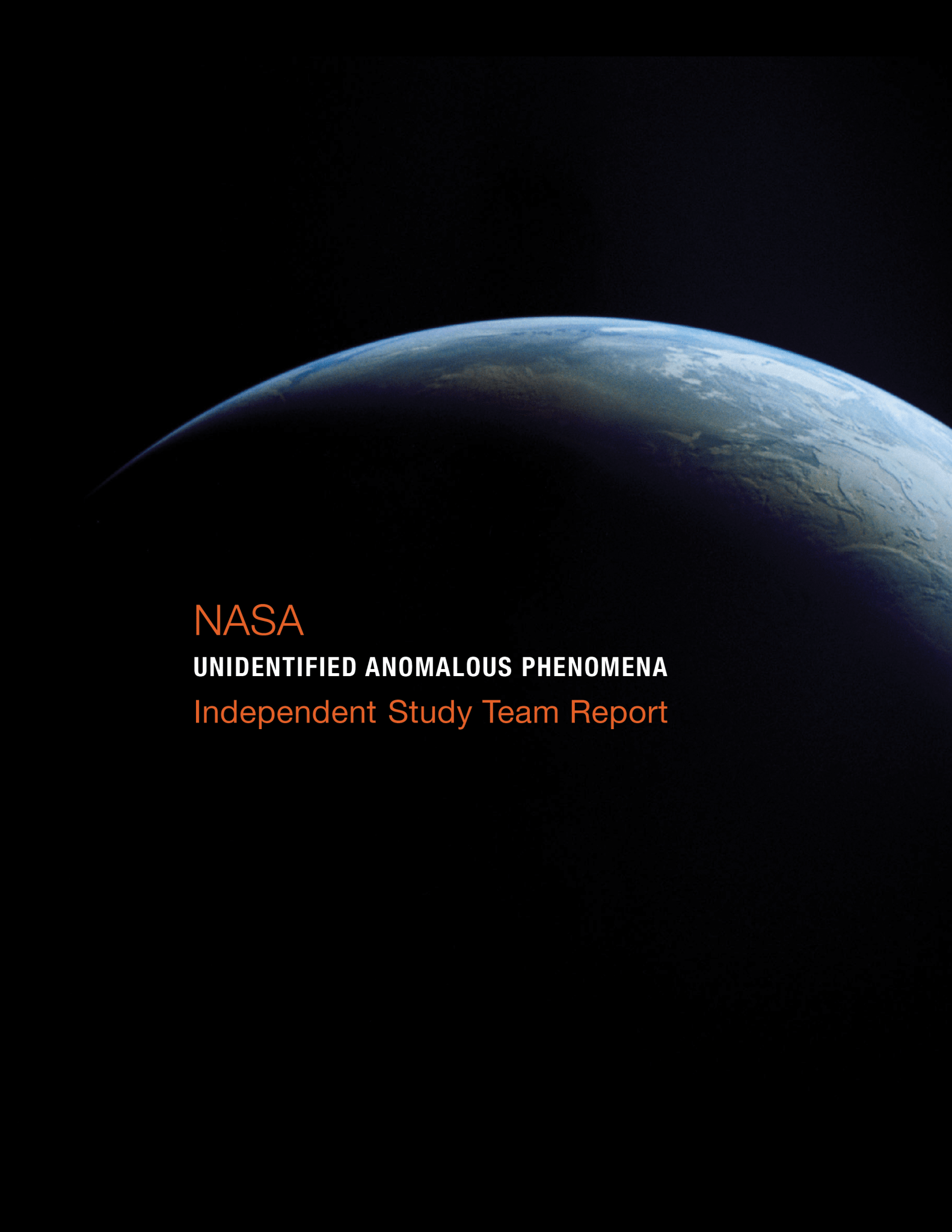
Official disclosure is usually slow, bureaucratic and partial: annual reports, cautious language, incomplete data, classification, testimony and archival review. NASA recommended a scientific approach, with better data and analysis methods. AARO and ODNI work on reports, case resolution and assessment of risks to air safety.
Mythic disclosure is more dramatic: it imagines a worldwide announcement, definitive proof, collapse of old narratives and spiritual transformation. This layer can inspire, but it also creates the expectation of a total event that may never arrive in that form.
The role of whistleblowers
Whistleblowers are central to the disclosure imagination. They can reveal abuses, hidden programs or oversight failures. At the same time, testimony does not replace material evidence. The ideal is to protect legitimate reporting channels and require documentation, chain of custody and independent verification.
This distinction avoids two extremes: reflexively discrediting every witness or accepting every extraordinary claim without criteria.
UAP, science and data
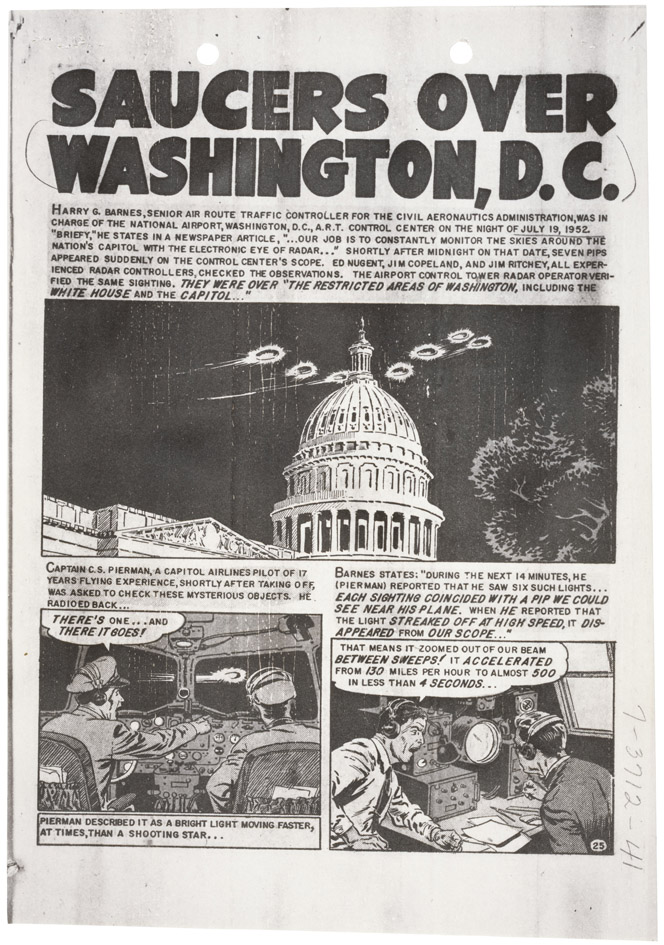
The recent institutional turn replaced part of the “flying saucer” language with UAP, a broader category for anomalous observations. This allows discussion of air risk, sensors, perception error, natural phenomena, drones, balloons, aircraft and still-unresolved cases without jumping directly to extraterrestrial explanations.
The best disclosure would be less theatrical and more auditable: raw data, metadata, methods, expert review and clarity about what has been explained, what remains open and what is an unsupported claim.
How to continue on the map
After this theme, explore Full Disclosure, UFO / UAP, Cosmic Disclosure, Secret Space Program, SSP whistleblowers, NASA Coverups, CIA and Deep State.
Simple summary
Disclosure is the public revelation of previously hidden information. In the UAP field, it involves official reports, hearings, records, whistleblowers and demands for transparency. In the esoteric field, it becomes the expectation of a larger revelation about non-human life, technology and control. The theme is powerful, but it needs discernment: real opening of data, yes; automatic leap to total conclusions, no.
References and starting points
- NASA - UAP Independent Study
- NASA - UAP Independent Study Team Final Report
- AARO - Historical Record Report Volume 1
- ODNI - 2024 Consolidated Annual Report on UAP
- AARO - UAP Case Resolution Reports
- U.S. Senate - UAP Disclosure Act of 2023 amendment
- Wikimedia Commons - U.S. Congressional hearing on UAPs, July 26, 2023
FAQ
Has disclosure already happened?
There has been increased public transparency around UAPs, with reports, hearings and dedicated offices. That is not the same as an official confirmation of extraterrestrial origin.
Is disclosure the same as Full Disclosure?
Not exactly. Disclosure can be gradual and partial. Full Disclosure suggests complete revelation, closer to spiritual and conspiratorial imagination.
How should disclosure claims be evaluated?
Look for documents, sensor data, institutional context, independent witnesses, chain of custody and separation between confirmed fact, hypothesis and interpretation.
Keep exploring
You can open another path
 Esoteric practices Bob Dean 5/5 intensity Explore →
  Esoteric practices Cosmic Disclosure 5/5 intensity Explore →
  Secret Space Program Secret Space Program 5/5 intensity Explore →
  Map center Full Disclosure 5/5 intensity Explore →
  Secret Space Program Galactic Federation 5/5 intensity Explore →
  AwakenMap theme High-Rank Military Intelligence 5/5 intensity Explore →
Join the conversation
Comments are moderated. Keep the discussion respectful and distinguish evidence, interpretation and personal experience.