Connection level
17 direct connectionsHigh-Rank Military Intelligence is the idea that officers, analysts or sources close to the top of the military apparatus may have access to hidden truths about UFOs, secret programs and geopolitical control. The theme belongs to the question of when a ranked voice becomes truth before verification.

What the term describes
In ufological and conspiratorial culture, the expression does not simply mean ordinary military personnel. It usually suggests generals, intelligence officers, retired agents, defense contractors, analysts with compartmentalized access or people who say they worked near classified programs.
The weight comes from hierarchy. If someone appears to have been inside the system, their testimony feels stronger than an anonymous story. But this creates the main fracture of the theme: authority and verification. A high position can justify inquiry; it does not turn a claim into fact by itself.
Where military authority gets its weight
Armed forces and intelligence services deal with real secrecy: operations, radars, satellites, human sources, special projects, base security, contracts and sensitive technologies. So when a person claims to speak from that environment, the public tends to imagine they saw an inaccessible layer of the world.
That intuition is not absurd. There are declassified documents, recognized intelligence abuses and programs understood only years later. The error begins when real secrecy becomes permission to accept any narrative without documents, chain of custody, independent confirmation or room for challenge.
UFO, UAP and official investigation
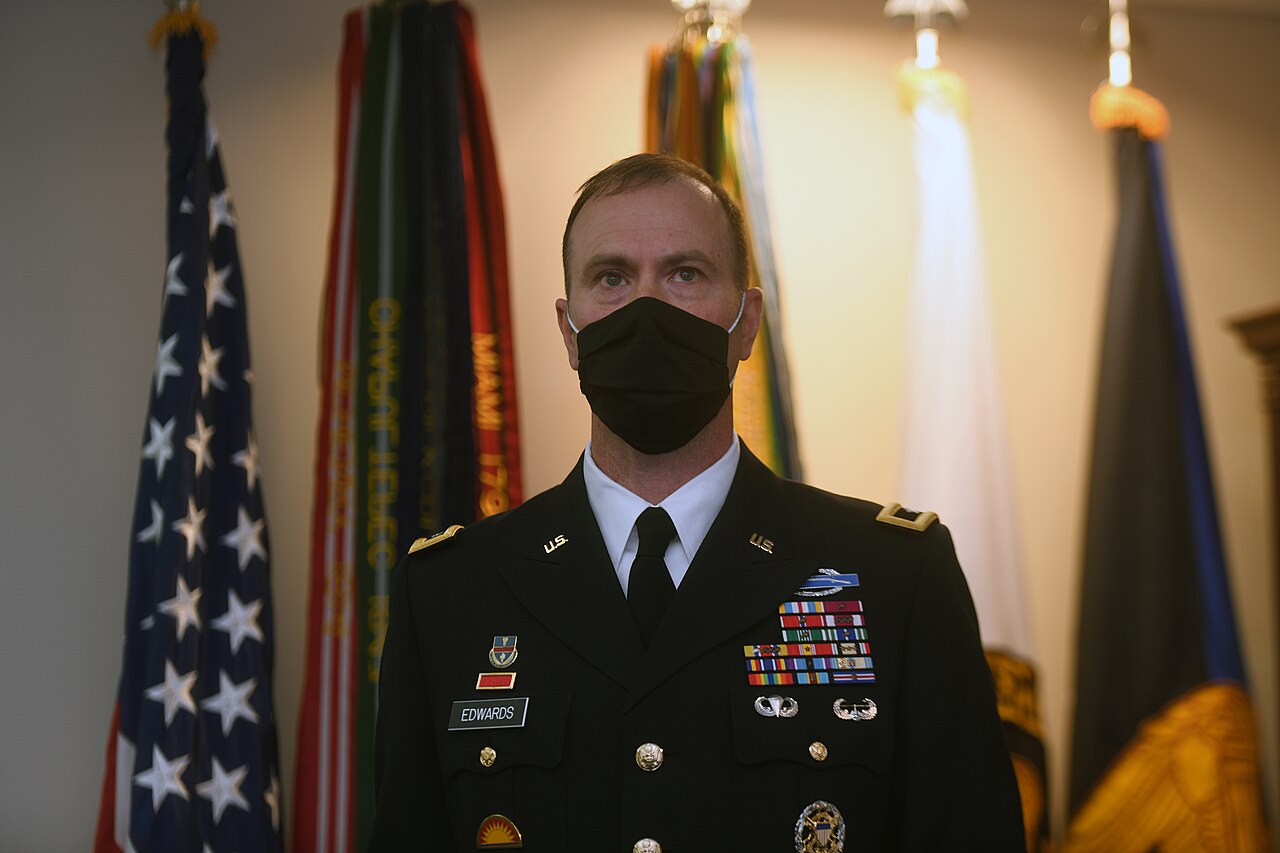
The relationship with UFO / UAP comes from real programs and offices. Project Blue Book gathered U.S. Air Force investigations into unidentified flying objects, and its records were transferred to the National Archives. Decades later, AARO began coordinating official U.S. government efforts on unidentified anomalous phenomena with scientific language and data analysis.
This shows the subject exists as an administrative, military and documentary object. But the existence of official investigation is not automatic confirmation of extraterrestrial craft, secret agreements or a hidden fleet. The strong fact here is more precise: governments record, classify, review and sometimes cannot explain certain reports. Interpretation comes after that.
Who speaks: source, whistleblower and character
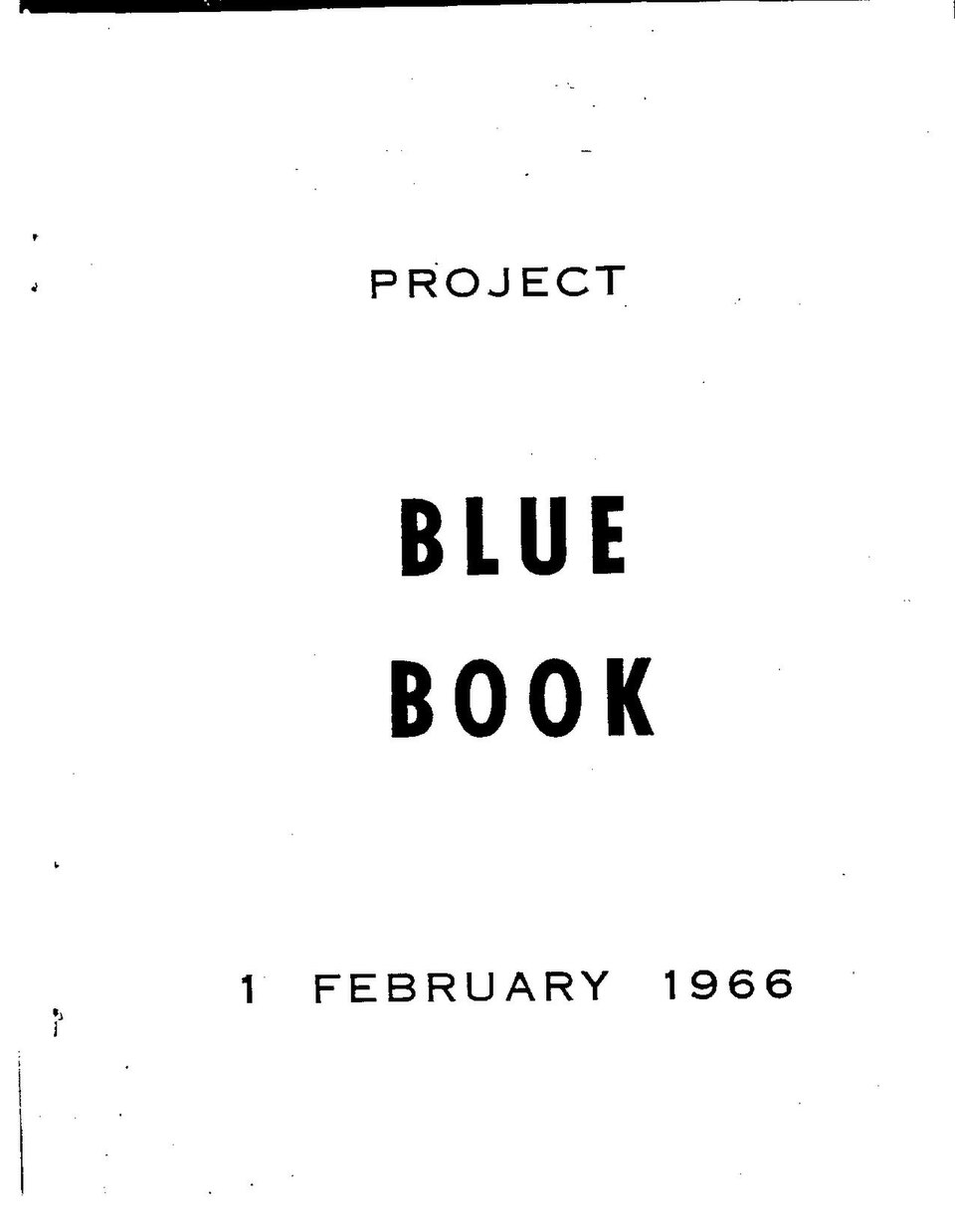
There are important differences. An anonymous source can provide a lead, but it requires methodological protection: who confirms it, what document accompanies it, what interest is involved? A formal whistleblower may use legal channels, but still needs verifiable information. A retired officer can have real experience and still mix memory, interpretation, belief and speculation.
The case becomes more delicate when testimony enters the circuit of lectures, documentaries, social media and disclosure communities. Rank becomes a sign of credibility, biography becomes narrative and the public begins to ask: if a person with access seems coherent with a larger network, is that enough to call it truth?
Real abuses do not prove every claim
The Church Committee investigated intelligence abuses in the United States and documented illegal or improper practices in agencies such as the CIA, FBI, Internal Revenue Service and National Security Agency. That history explains why part of the public distrusts official versions. Distrust has institutional memory.
But the responsible move is separating precedent from proof. Knowing abuses happened does not prove that every claim about the Secret Space Program, Deep Underground Military Bases, Unacknowledged Special Access Projects or Project Paperclip and NASA in 1958 is correct. Precedent opens the question; evidence decides the size of the conclusion.
What is source and what is evidence
As source, this theme includes official reports, military archives, public testimony, whistleblower channels, congressional investigations, declassified records and interviews with people connected to the defense sector. As evidence, the standard must be higher: intact document, production context, independent confirmation, technical coherence and distinction between observed fact and interpretation.
A radar trace, a memo, a testimony and a memory do not carry the same weight. AwakenMap treats these layers separately because the imaginary of secrecy is too powerful to be read as one block.
Relation to other nodes
On the map, this theme connects to the CIA, FBI, CIA Project Stargate, Deep State, Disclosure, Full Disclosure, Cosmic Disclosure, UFO / UAP, the Secret Space Program, SSP Whistleblowers, Unacknowledged Special Access Projects, the Air Force Special Operations Command, Deep Underground Military Bases and Project Paperclip and NASA in 1958.
The connection does not say all of these nodes prove one another. It shows a narrative corridor: military authority, institutional secrecy, testimony, archive and public desire for revelation.
Why it belongs on AwakenMap
The main fracture is between authority and verification. Authority can begin a search; verification prevents the search from becoming worship of rank.
The philosophical connection on AwakenMap sits exactly there. A mature awakening does not trade obedience to the official voice for obedience to the insider. It asks what was said, by whom, in what context, with what proof and how far the conclusion can go without forcing the data.
How to continue on the map
After this theme, explore UFO / UAP, Disclosure, CIA, CIA Project Stargate, Deep State, the Secret Space Program, SSP Whistleblowers, Unacknowledged Special Access Projects, the Air Force Special Operations Command and Deep Underground Military Bases.
Simple summary
High-Rank Military Intelligence is the point where rank, secrecy and testimony gain symbolic force. The theme matters because official programs, archives and real abuses exist; at the same time, no institutional position replaces proof. The central question is simple and difficult: authority helps investigation, but when does it start taking the place of verification?
References and starting points
- AARO - official U.S. office for unidentified anomalous phenomena
- U.S. Department of Defense - AARO historical report
- U.S. Senate - Church Committee and intelligence abuses
- U.S. National Archives - Project Blue Book
- U.S. Air Force - Project Blue Book fact sheet
- Department of Defense Inspector General - intelligence community whistleblower protection
- Wikimedia Commons - Pentagon image
- Wikimedia Commons - Project Blue Book report page
Keep exploring



Join the conversation
Comments are moderated. Keep the discussion respectful and distinguish evidence, interpretation and personal experience.