Connection level
22 direct connectionsSecret-program researchers belongs on AwakenMap through the question of how testimony becomes public truth. The theme is not merely “people who believe in government secrets”; it is the question of when a researcher, interviewer or producer can turn fragmented testimonies into a narrative that feels coherent enough to challenge the official version.

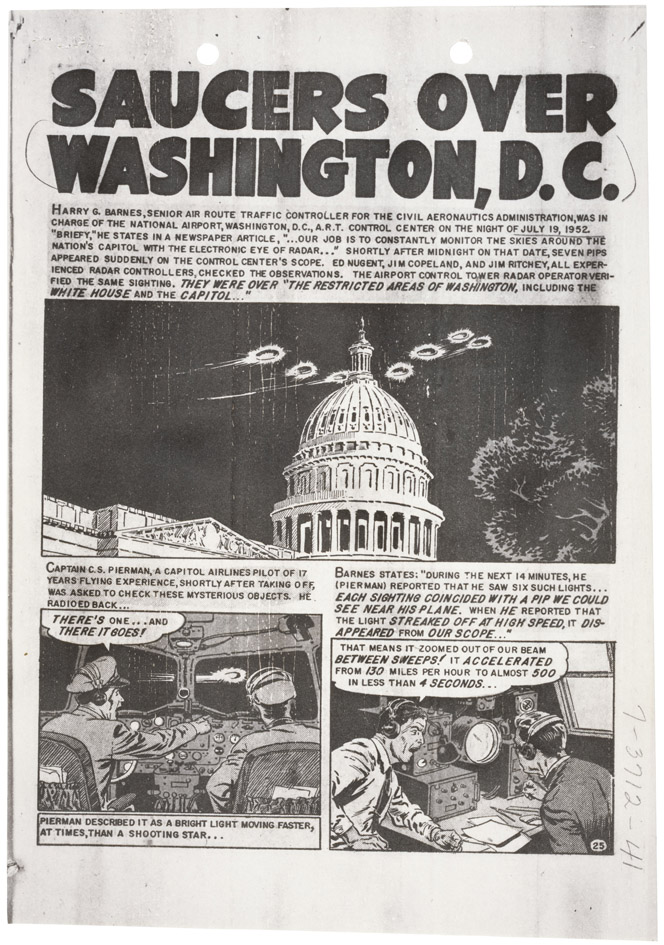
This field emerges from the union of ufology, transparency demands, archive culture, military claims and alternative media. Since Roswell, Area 51 and declassified documents, there has been a suspicion that a decisive part of technological and extraterrestrial history sits inside compartmentalized programs. Secret-program researchers enter as mediators: they collect reports, interview military figures, cite documents, connect names and try to show that scattered cases point to a larger structure.
The problem is that the material rarely arrives as clean proof. It usually comes as personal memory, hard-to-verify biography, partial document, anonymous source, recorded interview, denied-access claim or secondhand story. This makes the role of these researchers ambiguous. They may open legitimate questions about secrecy, black budgets and unacknowledged special access projects; but they may also create a feeling of certainty when fundamental gaps remain.
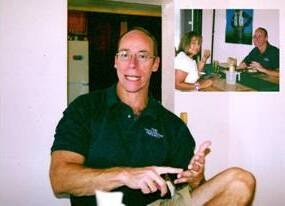
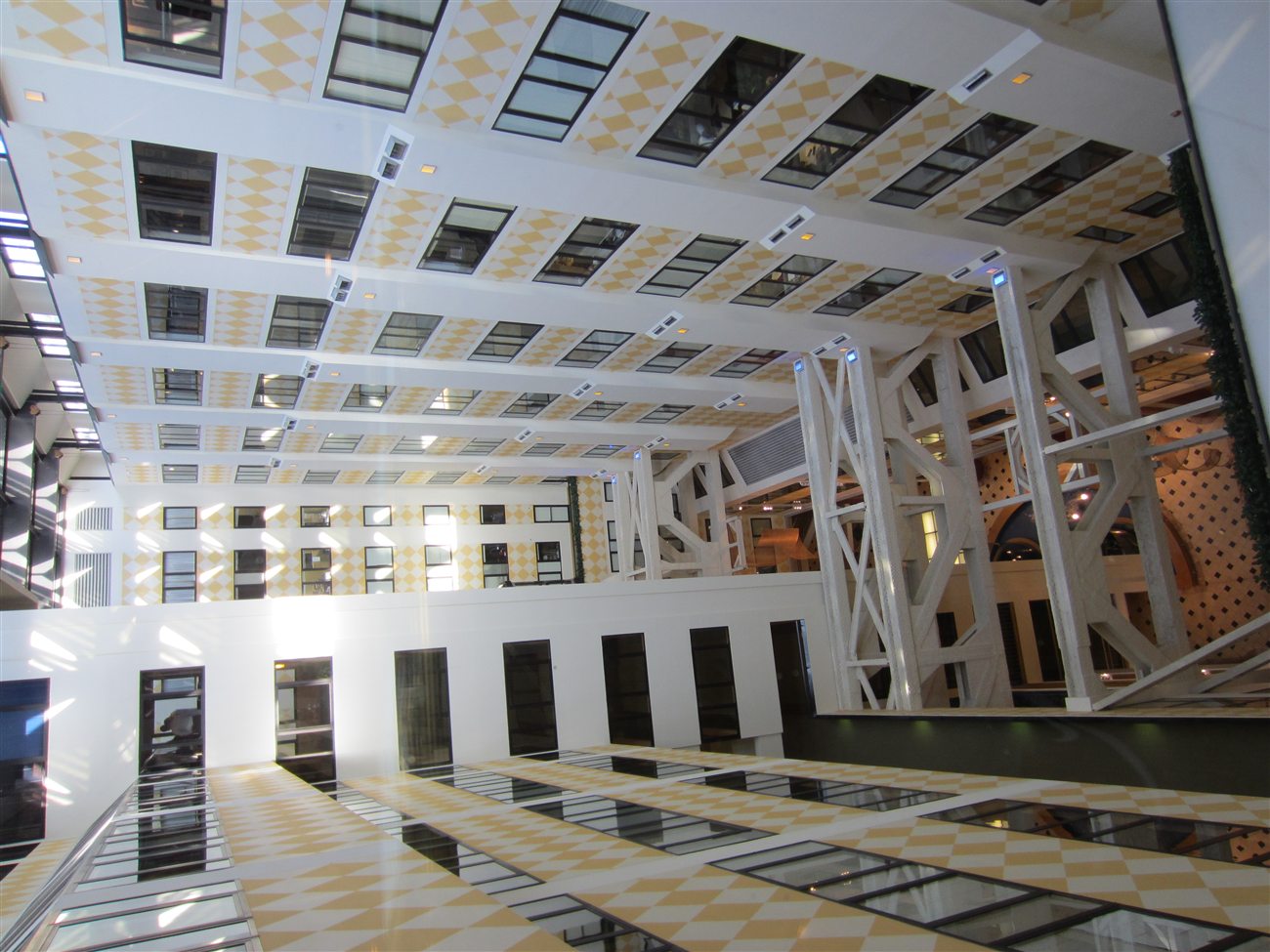
A concrete case is Steven Greer’s Disclosure Project. On May 9, 2001, a conference at the National Press Club in Washington presented civilian, military and corporate witnesses who claimed knowledge of UFOs, advanced technology and cover-up. The project’s briefing document gathered hundreds of pages and testimony summaries. For supporters, it was a historic attempt to bring reports into the public sphere. For critics, it showed how strong testimony can gain the aura of proof without enough independent verification.
After this public-disclosure axis, another lineage grew around the Secret Space Program. Michael Salla, for example, popularized an approach called exopolitics, treating relations between governments, institutions and extraterrestrial life as a political field. Corey Goode and David Wilcock gained visibility on Gaia’s Cosmic Disclosure series, with narratives about service in secret space programs, extraterrestrial alliances, advanced technology and “twenty and back” stories. Here, the researcher sometimes stops being only an investigator and becomes curator of an expanding mythology.
The conspiratorial layer appears when the sum of reports is presented as proof of a complete hidden architecture: underground bases, space fleets, alliances with non-human races, antigravity technologies, military abduction programs, aerospace corporations and internal factions fighting over humanity’s future. In this reading, Disclosure is not simply releasing files; it is bringing down a parallel civilization that allegedly operated for decades outside public consent.
The most delicate point is the difference between researcher, witness and evidence. A witness can be sincere and still be mistaken. A researcher can gather many witnesses and still produce a circular network, where one story confirms another only because they circulate in the same environment. A document can be authentic and still not prove the most extreme interpretation. This distinction is central to reading Full Disclosure, UFO / UAP, high-rank military intelligence, CIA and NASA without automatic faith or lazy mockery.
AARO’s historical report, published in 2024, functions as an institutional counterpoint. The office says it reviewed decades of programs, interviews and claims, and stated that it found no verifiable evidence of extraterrestrial technology, governmental or private access to non-human material, or improper withholding from Congress. It also suggested that many hidden-program claims arise from circular reporting and misinterpretation of real sensitive programs that are not extraterrestrial.
That does not end the debate for everyone. For part of the public, official denial confirms the depth of the secret. For more careful researchers, it forces better method: separating primary source from repetition, preserving dates, checking credentials, distinguishing ordinary military secrecy from extraterrestrial claims, avoiding selling entertainment as investigation and admitting when a story remains a hypothesis.
This field also reveals an economy of attention. Books, lectures, series, conferences, subscriptions, documentaries and paid communities can strengthen independent inquiry, but they also create incentives to keep the narrative permanently suspended. The researcher becomes a character; the next revelation becomes a product; the public becomes a community of waiting. When that happens, truth can become less important than the feeling of being close to it.
On the map, secret-program researchers speaks with black projects, Area 51, MJ-12, whistleblowers and Michael Salla. The value of the theme is that it shows the bridge between archive and imagination. Without researchers, many reports would disappear. Without critique, many reports become closed systems. The challenge is to keep the question alive without turning every gap into confirmation.
Simple summary
Secret-program researchers are authors, interviewers, producers and investigators who gather reports about cover-ups, UFOs, secret space programs, black budgets and hidden technology. Steven Greer, Michael Salla, Corey Goode and David Wilcock represent different currents in this ecosystem. The 2001 Disclosure Project shows the public force of testimony; AARO’s 2024 report shows the official counterpoint, stating that it found no verifiable evidence of extraterrestrial technology or a hidden program of that kind.
Why it belongs on AwakenMap
Secret-program researchers belongs on AwakenMap because the theme shows how awakening narratives depend on mediators. Someone collects signals, chooses sources, builds chronologies and offers the public a way to see the invisible. The question is whether this mediation increases discernment or merely organizes prior beliefs into dossier form.
It is also essential to the site’s central axis: awakening is not believing every claim, but learning to ask where the report came from, who benefits from it, what has been verified and what remains allegation. Good investigation does not kill mystery; it prevents mystery from being captured by easy certainty.
References and starting points
- National Press Club - anniversary of the 2001 Disclosure Project press conference
- WorldCat - The Disclosure Project briefing document, 2001
- Clinton Library - Steven Greer and CSETI collection
- Gaia - Cosmic Disclosure series page
- AARO - official homepage
- Department of Defense - AARO report on extraterrestrial technology, 2024
- Wikimedia Commons - Steven Greer
- Wikimedia Commons - National Press Building
Keep exploring
You can open another path
 Esoteric practices Jordan Maxwell 5/5 intensity Explore →
  Esoteric practices Cosmic Disclosure 5/5 intensity Explore →
  Map center Disclosure 5/5 intensity Explore →
  Map center Great Awakening 5/5 intensity Explore →
  Esoteric practices Michael Salla 5/5 intensity Explore →
  Secret Space Program Secret Space Program 5/5 intensity Explore →
Join the conversation
Comments are moderated. Keep the discussion respectful and distinguish evidence, interpretation and personal experience.