Connection level
10 direct connectionsBreathwork, or conscious breathing, is the intentional use of breathing practices to alter the state of body and mind. It can support emotional regulation and the nervous system, as in slow breathing, or seek expanded states and consciousness expansion, as in holotropic practices. The theme grips people because breathing is a rare bridge: automatic, yet also guided by will.
What breathwork means
Breathwork is not one single technique. It is a family of practices: diaphragmatic breathing, slow breathing, alternate-nostril breathing, box breathing, 4-7-8, somatic techniques, holotropic breathwork and contemporary methods of emotional regulation.
On AwakenMap, it connects with meditation, Kundalini, energy, 5D / 7D, Astral Travellers, ascension, Akasha, healing and the Great Awakening. In all these themes, breath appears as a doorway: to calm, energize, feel, remember or cross into a state.
The body understands before theory
When breathing changes, the body receives a signal. Short, high breathing often accompanies fear, haste and alertness. Slow, deep breathing often invites the body into another rhythm. That is why simple techniques work quickly for many people: they speak the language of the nervous system.
Research on slow breathing, diaphragmatic breathing and heart-rate variability shows effects on anxiety, attention, stress and autonomic regulation. This does not make breathwork a miracle, but it gives the theme real ground.
An internal technology
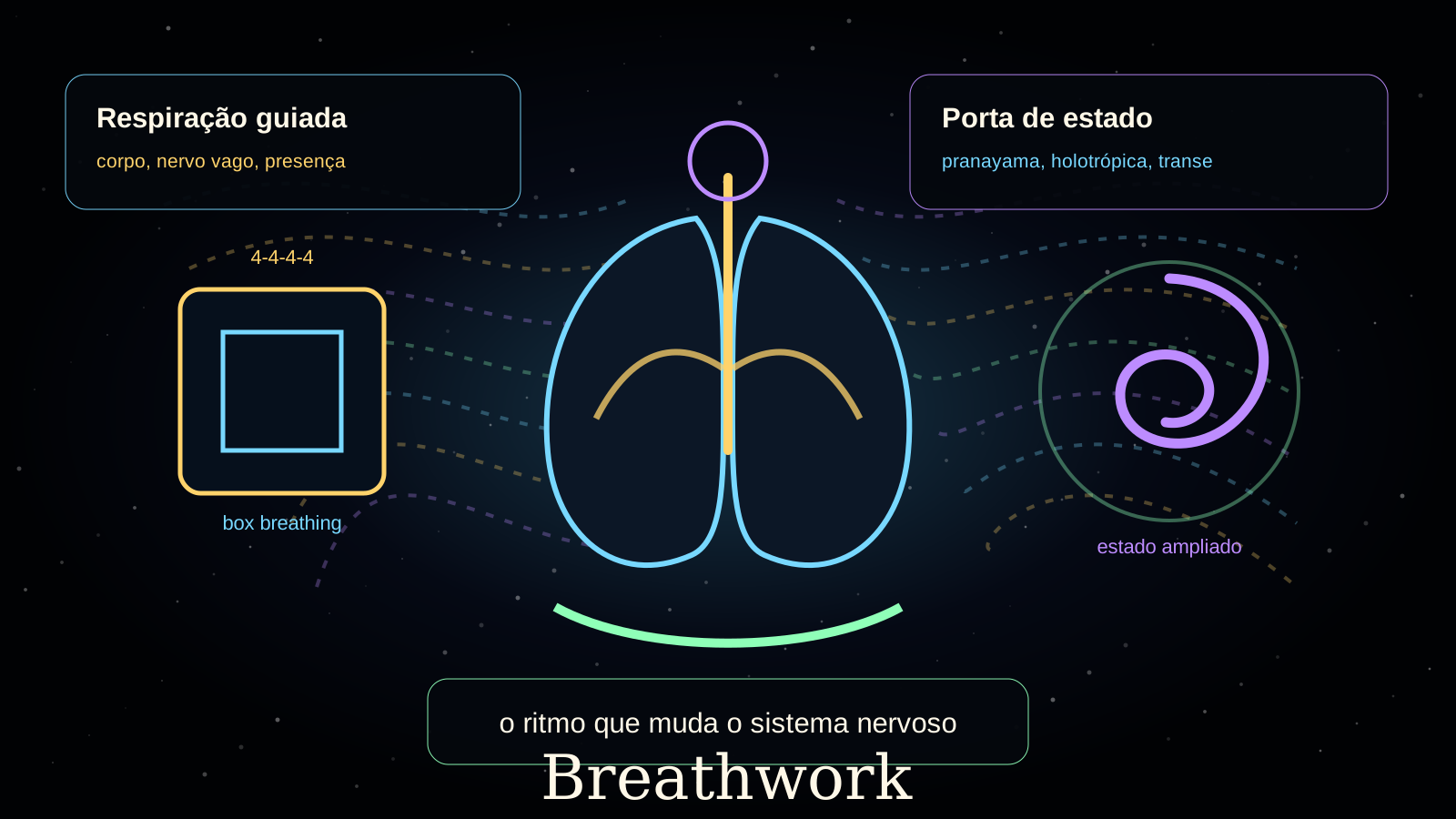
The editorial image beside this text shows lungs, diaphragm, breathing waves, box breathing and a spiral of expanded state.
That is the beauty of the theme: the “tool” is already in the body. What changes is rhythm, attention, intention and the context in which practice happens.
Diaphragmatic breathing
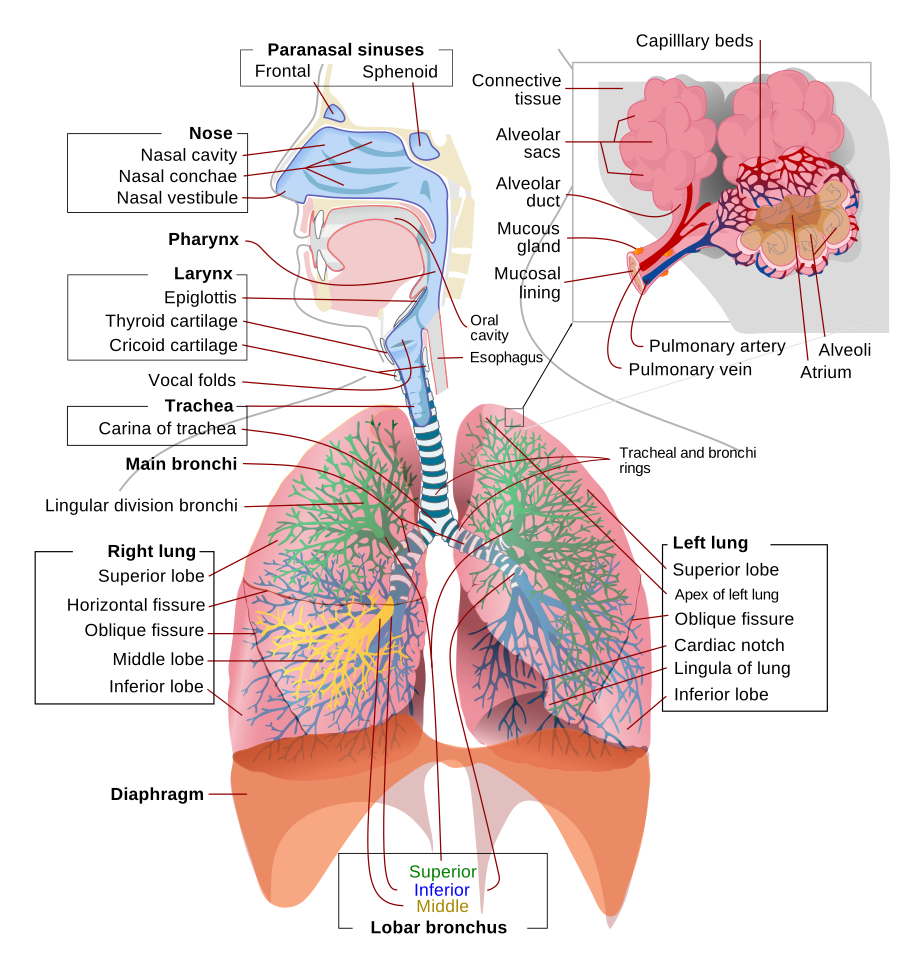
Diaphragmatic breathing uses more movement of the diaphragm and abdomen than lifting the chest. It is often taught as a foundation for relaxation, anxiety, singing, performance, respiratory physiotherapy and meditative practices.
Reviews published in medical databases indicate that this form of breathing can help dimensions such as respiratory function, stress and attention. Most important: it is simple, but should not be forced. Breathing well is not violently inflating the body; it is creating space.
Box breathing and 4-7-8
Box breathing organizes breath into four equal parts: inhale, hold, exhale and hold again. It is popular in stress management, performance and focus. Cleveland Clinic also describes the 4-7-8 technique, with short inhalation, retention and longer exhalation.
These practices are useful because they give shape to chaos. When someone is anxious, counting the breath creates a small internal structure. The body follows the rhythm; the mind gains an anchor.
Pranayama: breath as discipline
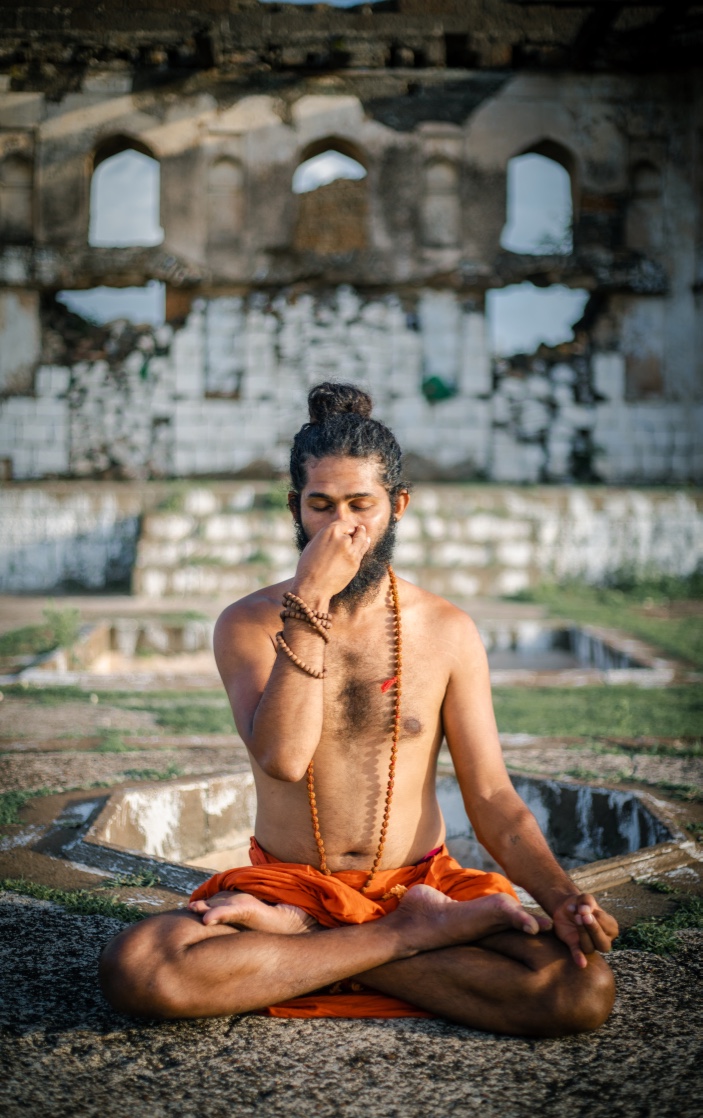
In yoga, pranayama is not merely "deep breathing." It is discipline of prana, life energy, through respiratory rhythm. Practices such as nadi shodhana, alternate-nostril breathing, appear as ways to balance attention, energy and internal states.
Modern reading can translate part of this into physiology, but it does not need to erase the traditional language. For many practitioners, breath is body and energy at the same time.
Holotropic breathwork
Holotropic Breathwork was developed by Stanislav Grof and Christina Grof as a self-exploration practice in non-ordinary states of consciousness. It combines intense breathing, evocative music, bodywork and later integration.
This is a delicate point. The practice can be deep, but should not be treated as a game. Intense states can bring emotion, fear, memory, catharsis or confusion. Context, facilitator and screening matter.
Breath and expanded states
Some techniques alter oxygen, carbon dioxide, attention, posture and expectation. The experience may include tingling, heat, trembling, crying, inner images, a sense of expansion or a shift in identity. This explains the connection with Astral Travellers, Kundalini and ascension.
But intensity is not automatically spiritual evolution. A strong practice may open internal material; then comes the less glamorous part: integrating, resting, understanding and living better.
What science can measure
Science can measure respiratory rate, heart rate, heart-rate variability, blood pressure, anxiety, attention and physiological markers. Studies on slow breathing suggest increased parasympathetic activity and better autonomic regulation in some contexts.
This is valuable because it places breathwork on a bridge: it can be spiritual without abandoning the body, and it can be bodily without reducing every experience to mechanics.
Important care
Light practices are often accessible. Intense techniques, prolonged hyperventilation, long retentions or holotropic experiences require caution, especially for people with heart or respiratory conditions, epilepsy, pregnancy, active trauma, severe panic or a delicate psychiatric history.
The article needs to say this clearly: breathwork can help, but it does not replace medical or psychological care when there is significant suffering.
Why breathwork became so popular
Because it is cheap, direct and intimate. In a world of screens, haste and overload, breath returns a person to something basic: I am here, I have a body, I can modulate my state. That explains why it appears in therapy, yoga, performance, spirituality and wellness apps.
There is also a cultural side: many people seek transformative experiences without substances. Breathwork occupies that space as a respiratory doorway to catharsis, presence and self-knowledge.
How to practice without exaggeration
To begin, the safest path is simple: sit with a comfortable spine, breathe through the nose, lengthen the exhalation and observe the body for a few minutes. If dizziness, fear or strong discomfort appears, stop and return to natural breathing.
Mature breathwork is not a competition of intensity. It is listening. Sometimes the deepest practice is to breathe less, more slowly and with more presence.
How to continue on the map
After this theme, follow meditation, energy, Kundalini, 5D / 7D, Astral Travellers, ascension, Akasha, healing and the Great Awakening. This path leads from breath to energy, consciousness, healing and symbolic expansion.
Simple summary
Breathwork is the conscious use of breathing to regulate the body, alter internal states and support emotional or spiritual processes. It includes light techniques such as diaphragmatic breathing and box breathing, and intense practices such as holotropic breathwork. The theme is powerful because it joins physiology, tradition, energy and direct experience.
References and starting points
- NIH / PMC - Breathing Practices for Stress and Anxiety Reduction
- NIH / PMC - Effects of Diaphragmatic Breathing on Health: A Narrative Review
- NIH / PMC - The Effect of Diaphragmatic Breathing on Attention, Negative Affect and Stress
- PubMed - Effects of voluntary slow breathing on heart rate and heart rate variability: systematic review and meta-analysis
- Scientific Reports - Benefits from one session of deep and slow breathing on vagal tone and anxiety
- Cleveland Clinic - Box breathing benefits
- Cleveland Clinic - 4-7-8 breathing exercise
- Institute for Holotropics / GTT - About Holotropic Breathwork
- Amazon / SUNY Press listing - Holotropic Breathwork, Stanislav Grof and Christina Grof
- Wikimedia Commons - Yoga instructor practising Pranayama
- Wikimedia Commons - Respiratory system complete, LadyofHats
- Wikimedia Commons - Nadi Shodhana category
FAQ
Is breathwork just deep breathing?
No. Some techniques are simple, but breathwork can also include rhythm, retention, attention, posture, music, intention and integration.
Can breathwork make you dizzy?
Yes, especially in intense practices or hyperventilation. If dizziness or discomfort appears, it is better to stop and return to normal breathing.
Does breathwork replace treatment?
No. It can be a complementary practice, but it does not replace medical or psychological care when there is significant suffering.
Keep exploring
You can open another path
 Consciousness and symbols Mental and Spiritual States 5/5 intensity Explore →
  Consciousness and symbols Consciousness, Spirituality and Inner Practices 5/5 intensity Explore → Return to Source Pneuma 5/5 intensity Explore →
  Consciousness and symbols Meditation Practice 5/5 intensity Explore →
  Esoteric practices Yoga 5/5 intensity Explore →
  Return to Source Buddhahood 4/5 intensity Explore →
Join the conversation
Comments are moderated. Keep the discussion respectful and distinguish evidence, interpretation and personal experience.