Connection level
21 direct connectionsYoga is an Indian tradition of bodily discipline, breath, attention, ethics and inner liberation. It enters AwakenMap through the question of when bodily discipline becomes an opening of consciousness and when it becomes only a product: the same practice can be a path of self-knowledge, a health tool, a global commodity, a political symbol and a target of religious fear.

The origin of yoga does not fit into one simple date. The word appears across ancient layers of Indian culture and took different forms in texts, schools and practices: ascetic discipline, meditation, devotion, right action, knowledge, control of mind, breath and posture. The Yoga Sutras of Patañjali organized a classical tradition centered on stilling the mind and discernment. The Bhagavad Gita speaks of paths of action, devotion and knowledge. Medieval hatha yoga deepened bodily and energetic techniques. Modern postural yoga, widely known in the West, is a more recent stage in that history.
This matters because studio yoga is not false simply because it is modern, but it is also not the whole tradition. When the practice becomes only stretching, it loses part of its philosophy. When it becomes a promise of powers, total healing or instant awakening, it loses discernment. Between the two extremes there is a real discipline: body, breath, attention, repetition, limits and honest self-observation.
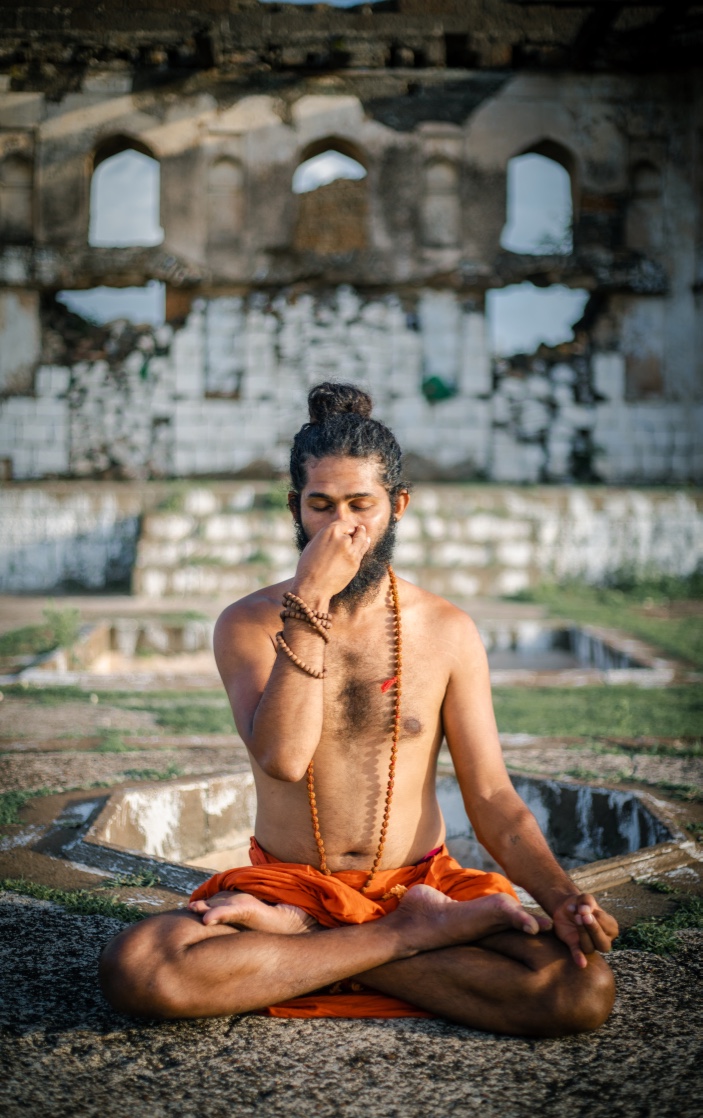
The deeper layer speaks to meditation, breathwork, kundalini, chakras, third eye, siddhis, dream yoga, enlightenment and mental and spiritual states. Yoga was not born to produce a flexible person for the camera. It grew from questions about suffering, perception, desire, identity, death and freedom.

The conspiratorial layer appears in two opposite directions. On one side, some people see yoga as an ancient spiritual technology domesticated by the market so its transformative power becomes fitness, aesthetics and consumption. In that reading, the West separated posture, breath and attention from their philosophical root in order to sell wellness without liberation. The practice would be a method for reorganizing energy, the nervous system and consciousness, but it was softened so it would not threaten ordinary forms of control.
On the other side, some fear yoga as a religious Trojan horse: an apparently physical practice hiding Hindu conversion, entity contact, dangerous energy or unwanted spiritual influence. This fear appears in debates around schools, churches and families. Sometimes it grows from ignorance; sometimes it grows from the accurate perception that yoga has spiritual roots and is not only exercise. The mistake is turning that root into panic or an automatic theory of infiltration.
The delicate point is separating appropriation, secularization and living practice. Yoga can be taught respectfully in health contexts, can remain tied to Hinduism and Indian traditions, can speak to contemporary spirituality and can be sold shallowly. None of these layers erases the others. The problem begins when someone pretends yoga is only stretching without history, or when someone claims every posture is already a hidden threat.
A concrete case

A concrete case is the International Day of Yoga. In 2014, the United Nations General Assembly approved June 21 as the date, proposed by India and supported by an exceptional number of countries. In 2015, large public sessions marked the first celebration, including mass practice in New Delhi. For supporters, it was global recognition of an Indian tradition linked to health and harmony. For critics, it was also cultural diplomacy, national assertion and a dispute over who gets to define yoga's meaning.
Another concrete signal came from Alabama, in the United States. The state kept a public school yoga ban for decades, associated with fears of religious content; in 2021, lawmakers approved lifting the ban, but still with restrictions around chanting, mantras and certain words. That episode shows why the theme fits AwakenMap: the same practice can be seen as public health, spiritual tradition, religious threat, cultural heritage or market product.
Why it belongs on AwakenMap
Yoga belongs on AwakenMap because it places awakening inside the body. It reminds us that consciousness is not only belief, theory or revelation: it is a posture toward breath, desire, pain, discipline and limits. At the same time, it shows how spiritual practices can be disputed by market, state, religion and identity.
The philosophical connection lies in the use of practice. If yoga makes someone more attentive, less reactive and more responsible, there is maturation. If it becomes spiritual superiority, body worship, escape from ordinary life or a promise of total control, the symbol is lost.
How to continue on the map
After this theme, explore meditation, breathwork, kundalini, chakras, third eye, siddhis, dream yoga, service to others, consciousness renaissance and Buddhahood.
Simple summary
Yoga is an Indian tradition of body, breath, attention, ethics and liberation. It has ancient roots, classical forms, medieval practices and modern versions. The conspiratorial layer appears when yoga is seen as suppressed spiritual technology or as disguised religious infiltration. The care is not reducing the practice to historyless fitness and not turning it into automatic fear.
References and starting points
- UNESCO - Yoga as intangible cultural heritage
- United Nations - International Day of Yoga
- NCCIH/NIH - evidence on yoga and health
- AP News - Alabama and the public school yoga ban
- Wikimedia Commons - B. K. S. Iyengar
- Wikimedia Commons - International Yoga Day in New Delhi
Keep exploring
You can open another path
 Return to Source Dream Yoga 5/5 intensity Explore →
  Healing and energy Kundalini 5/5 intensity Explore →
  Esoteric practices Breathwork 5/5 intensity Explore →
  Esoteric practices Chakras 5/5 intensity Explore →
  Map center Great Awakening 5/5 intensity Explore → Healing and energy Kundalini 5/5 intensity Explore →
Join the conversation
Comments are moderated. Keep the discussion respectful and distinguish evidence, interpretation and personal experience.