
Connection level
3 direct connectionsArgentina Bariloche is one of the points where the real geography of Patagonia meets powerful imaginations: cold lakes, mountains, Alpine-style architecture, tourism, local legends, documented Nazi fugitives and theories about secret postwar routes.
First, the real place
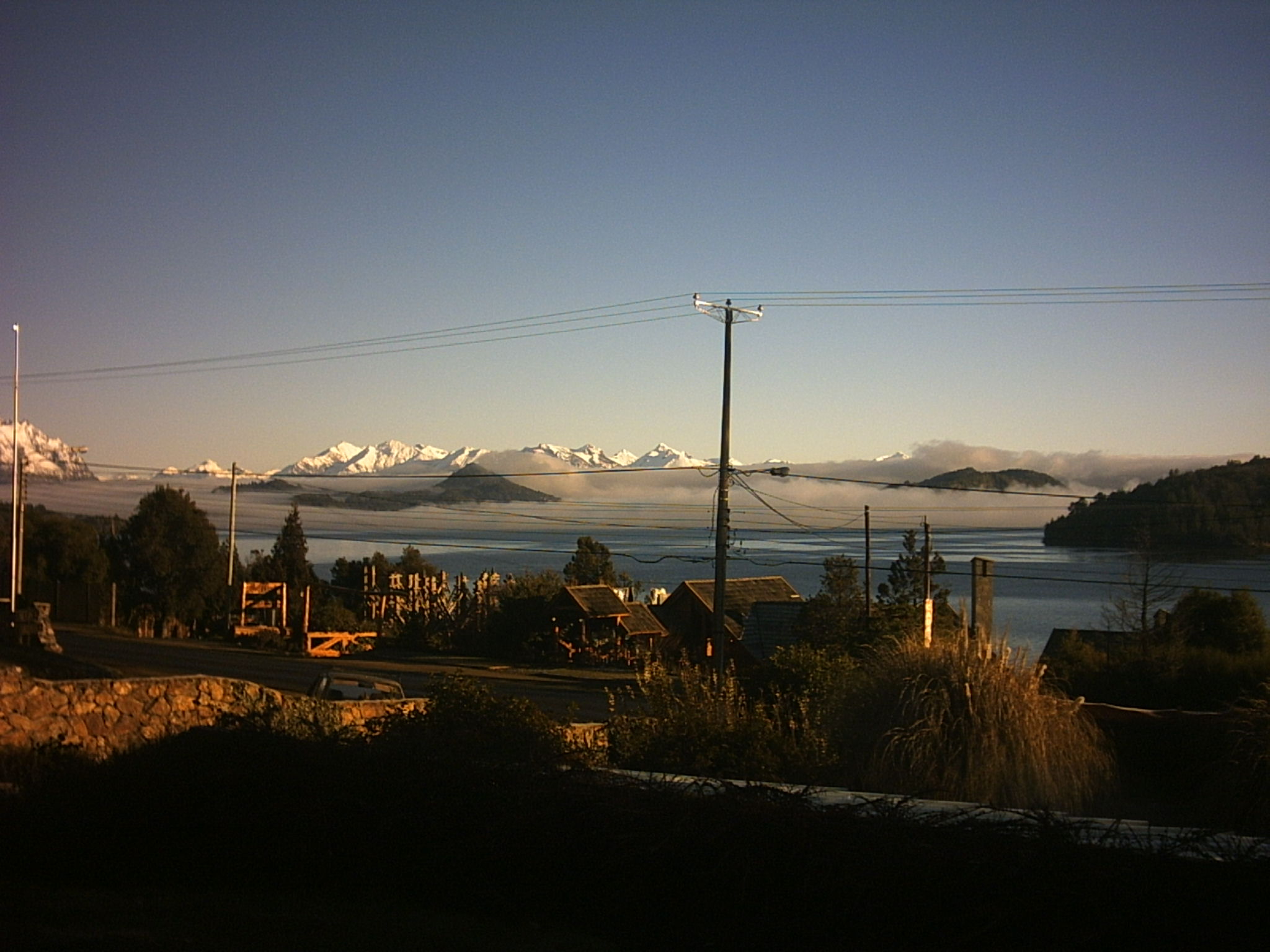
San Carlos de Bariloche is in Rio Negro province, south of Nahuel Huapi Lake, beside the Patagonian Andes. The official tourism site describes the city as surrounded by ancient forests, snowy mountains and crystal-clear waters. It is not hard to see why the place became an image of isolation, beauty and frontier.
The region is also tied to Nahuel Huapi National Park. Argentina's official park history points to Francisco Pascasio Moreno's 1903 donation as a founding moment in that preservation process. In 1922, Parque Nacional del Sud was created, later becoming the current Nahuel Huapi in 1934.
Why Bariloche entered the map of mystery
Bariloche did not become famous only for mountains, chocolate and skiing. The city also acquired a darker layer because of the documented presence of Nazi criminals who lived in Argentina after World War II. The best-known case directly connected with Bariloche is Erich Priebke.
Priebke, a former SS officer involved in the Ardeatine Caves massacre in Rome, lived for decades in Bariloche before being located, extradited and convicted in Italy. That real fact opened a question that popular imagination greatly expanded: if some Nazis lived there, what else might have passed through Patagonia?
The bridge between fact and legend
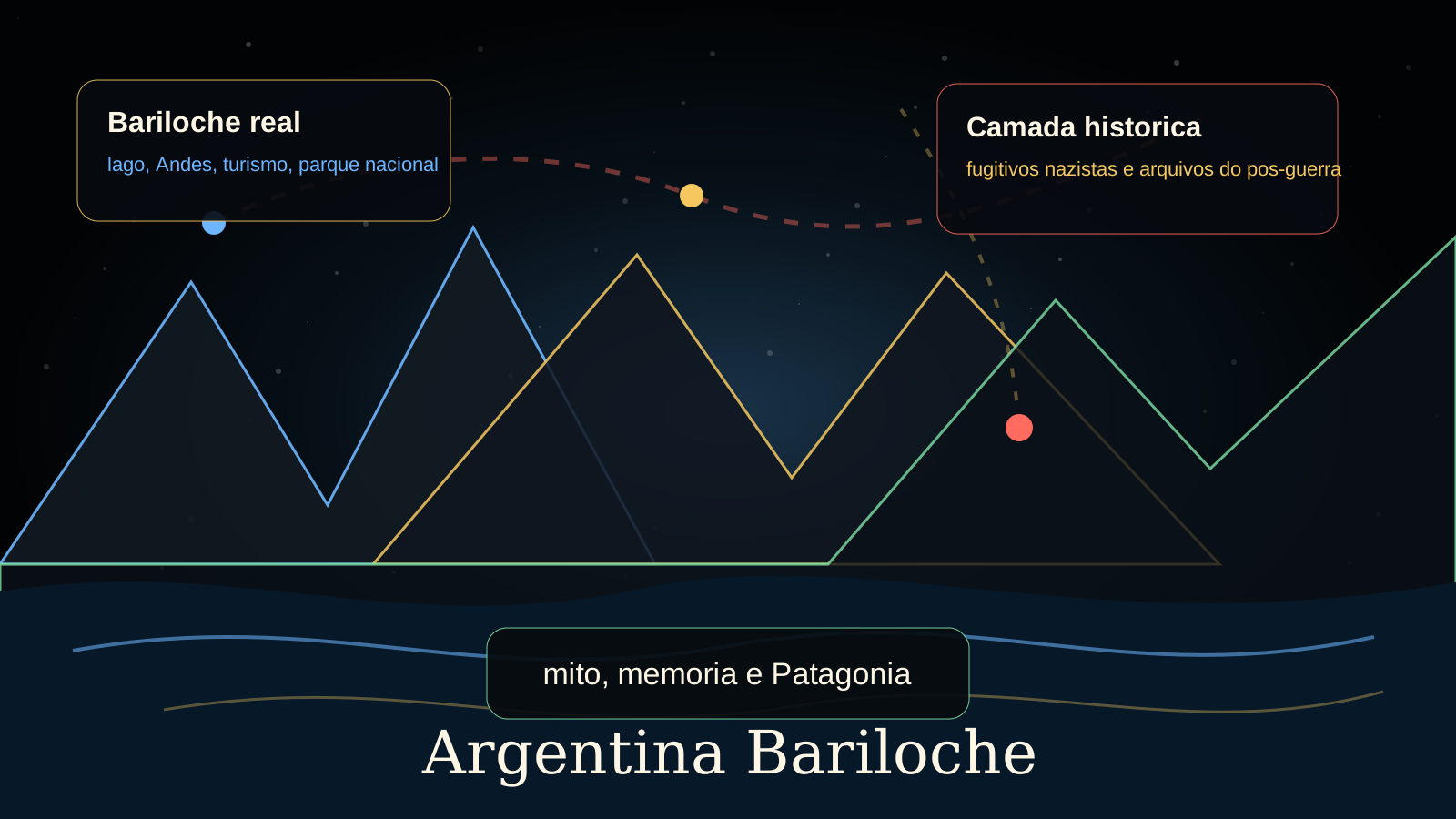
The image beside this text summarizes the theme: real Bariloche below, postwar routes and files in the middle, and legends growing around them. The common mistake is to throw everything into the same bag.
The more honest path is to separate the layers: the city exists, the documented history of Nazi fugitives in Argentina exists, reports investigated by agencies exist, and popular theories without conclusive proof also exist.
Priebke: the detail that changes the atmosphere
The Priebke case grips people because it is not merely rumor. Historical sources on Nazi crimes record his role in Italy, his postwar escape, his long life in Argentina and his later conviction. His discovery in Bariloche in the 1990s gave the place an international mark.
That does not prove every theory about secret bases, Hitler in Patagonia or occult societies in the Andes. But it shows why Bariloche became fertile ground for that type of narrative: there was isolated beauty, European communities, a mountainous border, incomplete archives, traumatic memory and real characters.
The Hitler-in-Argentina legend
A popular part of the theme claims that Adolf Hitler escaped to Argentina, passing through areas near Bariloche. This narrative appears in books, documentaries, sighting files and reports investigated by agencies, including materials available in the FBI Vault and the CIA Reading Room.
But one thing needs to be clear once: investigating a lead is not confirming the lead. The historical consensus supported by museums, specialists and end-of-war documentation is that Hitler died in Berlin on April 30, 1945. Agency interest in later reports shows postwar noise, not proof of escape.
Why Patagonia fits refuge theories so well
Patagonia offers almost perfect narrative ingredients: distance, extreme nature, Andean passes, deep lakes, the Chilean border, isolated houses and an Alpine aesthetic that recalls Central Europe. Even when the historical fact is limited, the setting seems to ask for a larger story.
On AwakenMap, this theme speaks to Antarctica, Admiral Byrd, the Nazi Bell, Project Paperclip, the Dark Fleet, Agartha Network, the Secret Space Program and ancient aliens. Bariloche becomes a symbolic gate between postwar escape, secret technology, the underground and polar imagination.
Nahuelito: the lake monster
The mysterious layer of Bariloche does not depend only on World War II. Nahuel Huapi Lake also has its legendary creature: Nahuelito, often compared to the Loch Ness Monster. The legend describes a large, serpentine or prehistoric form in the lake's waters.
Even without biological proof, Nahuelito matters because it shows that the region already had a folkloric vocation. The deep lake, the cold, the mist and the scale of the landscape turn any strange sighting into a story that crosses generations.
What the reader should take from this
Bariloche is real, beautiful and historically complex. Priebke's presence and the wider presence of Nazi fugitives in Argentina belong to the documented field. Stories about a surviving Hitler, secret bases and hidden operations in the Andes belong to a speculative layer that grew from fears, files, rumors and postwar gaps.
The strength of the theme is not saying everything happened. The strength is showing how a real place can become a magnet for stories: because it has enough landscape, secrecy, historical memory and symbols to feed the imagination.
How this theme connects to the map
If you want the historical trail, open Project Paperclip, the Nazi Bell and Admiral Byrd. If you want the mythic and underground trail, go to Agartha Network and Antarctica. If you want the secret-technology layer and modern narratives, continue with the Secret Space Program and the Dark Fleet.
Simple summary
Argentina Bariloche represents the meeting point between real Patagonia and postwar mystery narratives. The place exists, Nahuel Huapi National Park has documented history, Nazi fugitives truly lived in Argentina and Erich Priebke lived in Bariloche; but the more extreme stories about Hitler, secret bases and hidden operations remain speculative.
References and starting points
- Bariloche Tourism Official Website - About Bariloche
- Bariloche Tourism Official Website - Nahuel Huapi Lake
- Argentina.gob.ar - Parque Nacional Nahuel Huapi
- Argentina.gob.ar - Historia de Parques Nacionales
- Oxford Research Encyclopedia - Settling Bariloche
- Jewish Virtual Library - Erich Priebke
- NS-Tater in Italien - Erich Priebke
- The National WWII Museum - The Death of Adolf Hitler
- FBI Vault - Adolf Hitler files
- CIA Reading Room - Hitler Hideout in Argentina report
- Argentina.gob.ar - Documentacion sobre el nazismo
- Atlas Obscura - Argentina's Loch Ness Monster
- Wikimedia Commons - Bariloche - Lago Nahuel Huapi.JPG
FAQ
Does Bariloche really exist?
Yes. San Carlos de Bariloche is a real city in Rio Negro province, Argentina, located beside Nahuel Huapi Lake and the Patagonian Andes.
Were there Nazis in Bariloche?
Yes. The case of Erich Priebke is the best-known one. He lived in Bariloche for decades before being extradited and convicted in Italy.
Did Hitler live in Bariloche?
That is a popular theory, but there is no conclusive historical proof. The historical consensus is that Hitler died in Berlin on April 30, 1945.
Keep exploring

Join the conversation
Comments are moderated. Keep the discussion respectful and distinguish evidence, interpretation and personal experience.