Connection level
4 direct connectionsAdmiral Byrd is a name that opens two doors at once. The first is historical: Richard Evelyn Byrd was a naval aviator, polar explorer and central figure in American Antarctic expeditions. The second is mythical: his name became a key piece in stories about Hollow Earth, secret bases, Nazis in Antarctica and forbidden zones of the frozen continent.
Who Richard E. Byrd was
Richard E. Byrd was born in 1888 and became one of the best-known names in American polar exploration. He was a United States Navy officer, aviator, expedition organizer and public figure at a time when flying over polar regions still seemed almost impossible.
In AwakenMap, he connects to Antarctica, Operation Highjump, Hollow Earth, the Secret Space Program and disclosure narratives. Byrd matters because he stands exactly at the border between historical fact and conspiratorial imagination.
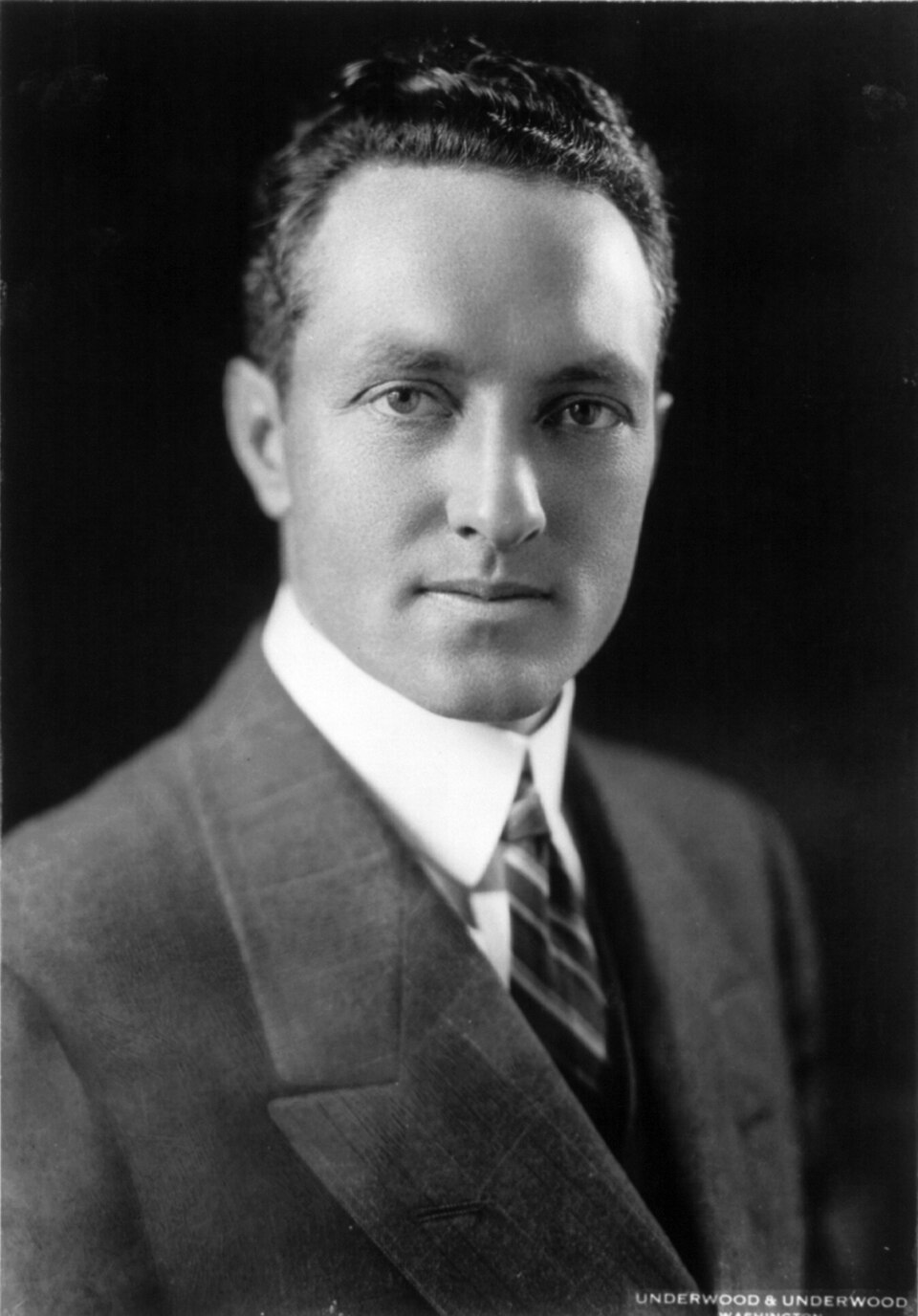
The real image of the explorer
This photograph shows Richard E. Byrd in 1928, when his public image was already tied to aviation and polar exploration. Before becoming a character in theories about Antarctica, Byrd was a real man, with a military career, documented expeditions and strong presence in the press of his time.
This point is essential: the myth grew because there was powerful history underneath it.
The flight to the South Pole
In 1929, Byrd became famous for his aerial expedition to the South Pole. The journey involved extreme risk: cold, altitude, uncertain navigation and the possibility of a forced landing in an environment with almost no chance of rescue. This kind of feat helped build his reputation as a daring explorer.
For the public of the time, Byrd represented a mixture of military man, scientist, adventurer and modern hero. That image would later be reused by much stranger narratives.
Operation Highjump: the point that feeds the mystery
Operation Highjump took place between 1946 and 1947, after World War II. It was a major American naval operation in Antarctica, officially connected to polar training, logistics, aerial photography, mapping, research and base development in extreme environments.
The size of the operation drew attention: ships, aircraft, thousands of men and an unusual military presence on the frozen continent. For official documentation, it was a learning and mapping operation. For alternative imagination, it became a question: why so much military force in Antarctica right after the war?
The strategic layer: the Cold War also passed through the poles
The Arctic Institute article helps place Byrd in the right context. After World War II, the poles stopped being only territory for heroic exploration and began to be seen as strategic spaces. Polar routes, weather, bases, radar, aviation, natural resources and extreme-cold training entered American military planning.
In this reading, Byrd does not appear as someone sent to “hunt monsters” in Antarctica, but as an insistent voice saying the United States could not ignore the polar regions. That better explains why Operation Highjump was so large: it tested naval, air and logistical capacity in an environment that could matter in a future war.
This point strengthens the theme because it reduces the need to imagine a fantastic explanation for everything. Geopolitics itself was already intense: the United States, the Soviet Union, nuclear technology, Arctic routes, Antarctic presence and fear of polar vulnerability.
The phrase about attacks from the poles
One of the most cited points is a 1947 interview attributed to Byrd and published in the Chilean newspaper El Mercurio, in which he reportedly warned about the need for defense against possible attacks coming from polar regions. In the military context after World War II and the early Cold War, that made strategic sense: polar routes could shorten paths for future aircraft and weapons.
In conspiratorial narratives, that phrase gained another weight. It began to be read as a clue to hidden enemies, secret technology or forces concealed in Antarctica.
Byrd and Hollow Earth
The connection with Hollow Earth comes mainly from diaries attributed to Byrd and popular accounts describing a polar entrance to an inner world. These texts circulate widely online, but they do not belong to the same documentary level as the official expeditions.
Even so, the association became strong because it combines three perfect elements for myth: a real explorer, an inaccessible region and an alleged hidden message.
Nazis, secret bases and Antarctica
Another layer involves stories about Nazi bases in Antarctica, advanced technology and remnants of the Reich escaping after the war. This field connects to themes such as Die Glocke, the Deep State and the Secret Space Program.
Serious historical research shows how many of these myths grew from real operations, postwar rumors, information gaps and fascination with secret technology. The result is powerful: a little-known continent, world war, incomplete maps and military imagination.
Why this theme grips people
Byrd grips people because he is not an invented character. He existed, traveled, commanded expeditions, appeared in newspapers and participated in real operations. That gives the myth a very strong anchor. The reader thinks: if the man is real, maybe the rest hides something too.
That is the central mechanism. Documented history opens the door; the emptiness of the frozen continent lets imagination enter.
How to read without mixing everything
A clear reading separates three layers. The first is historical Byrd: aviator, naval officer and polar explorer. The second is Operation Highjump: a documented military and scientific operation. The third is the Antarctic myth: Hollow Earth, secret bases, hidden technology and interpretations of statements or diaries attributed to Byrd.
When these layers remain separate, the theme improves. The reader can see why Byrd became legend without losing the historical ground.
Connections to continue
After Byrd, open Antarctica, Operation Highjump, Hollow Earth, the Secret Space Program and disclosure. These pages show how Antarctica became one of the greatest modern symbols of secrecy, frontier and forbidden territory.
Simple summary
Admiral Byrd was a real polar explorer and a central figure in the American presence in Antarctica. His name became myth because of the scale of his expeditions, Operation Highjump and later stories about Hollow Earth and secret bases. The theme is strong because it blends historical documentation with one of the most mysterious regions on the planet.
References and starting points
- Naval History and Heritage Command - Polar Exploration
- National Archives - Operation Hi-jump: Exploring Antarctica with the U.S. Navy
- Smithsonian - Byrd Antarctic Expedition
- The Arctic Institute - The Cold, Cold War: Rear Admiral Richard Byrd and America’s Strategic Interest in the Polar Regions
- Wikimedia Commons - Richard E. Byrd photograph
- Naval History and Heritage Command - Operation Highjump film record
- Polar Record - Hitler's Antarctic base: the myth and the reality
FAQ
Did Admiral Byrd really exist?
Yes. Richard E. Byrd was a United States Navy officer, aviator and polar explorer.
Was Operation Highjump real?
Yes. It was an American naval operation in Antarctica between 1946 and 1947, with goals involving training, mapping, aerial photography and polar logistics.
Did Byrd prove Hollow Earth?
There is no public documentary proof of that. The link between Byrd and Hollow Earth belongs to attributed accounts, interpretations and modern myths.
Keep exploring


Join the conversation
Comments are moderated. Keep the discussion respectful and distinguish evidence, interpretation and personal experience.