Connection level
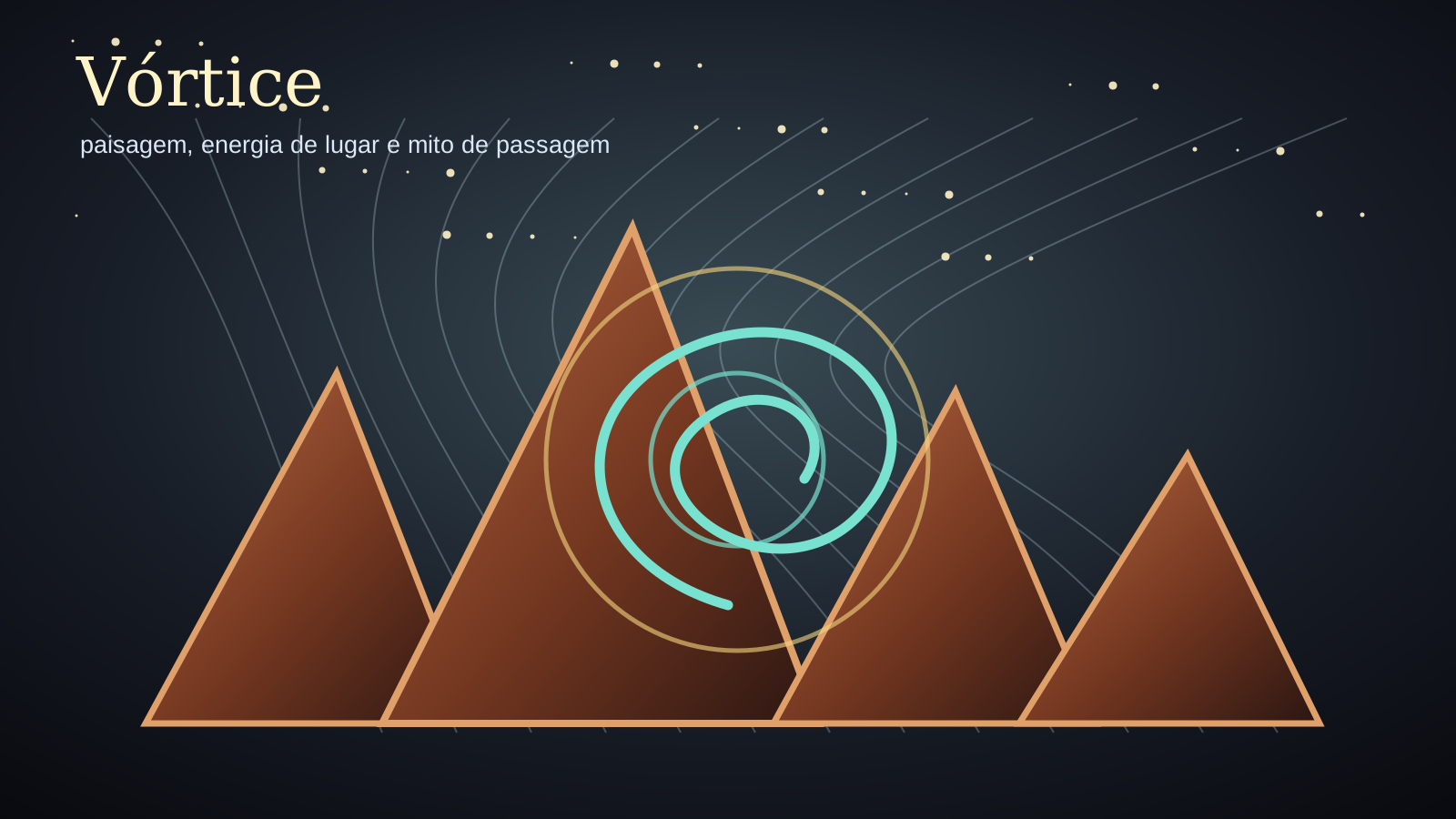
14 direct connectionsVortex belongs on AwakenMap through the question of when a powerful sense of place becomes spiritual practice, energy hypothesis or certainty of hidden passage. In physics, a vortex is rotating motion in fluid, air, water or field behavior. In modern spirituality, the word came to mean a place where energy, perception, emotion and meaning seem to concentrate. The subject matters because it often begins with something real, a place that affects the body, and ends with claims far larger than the landscape can prove.
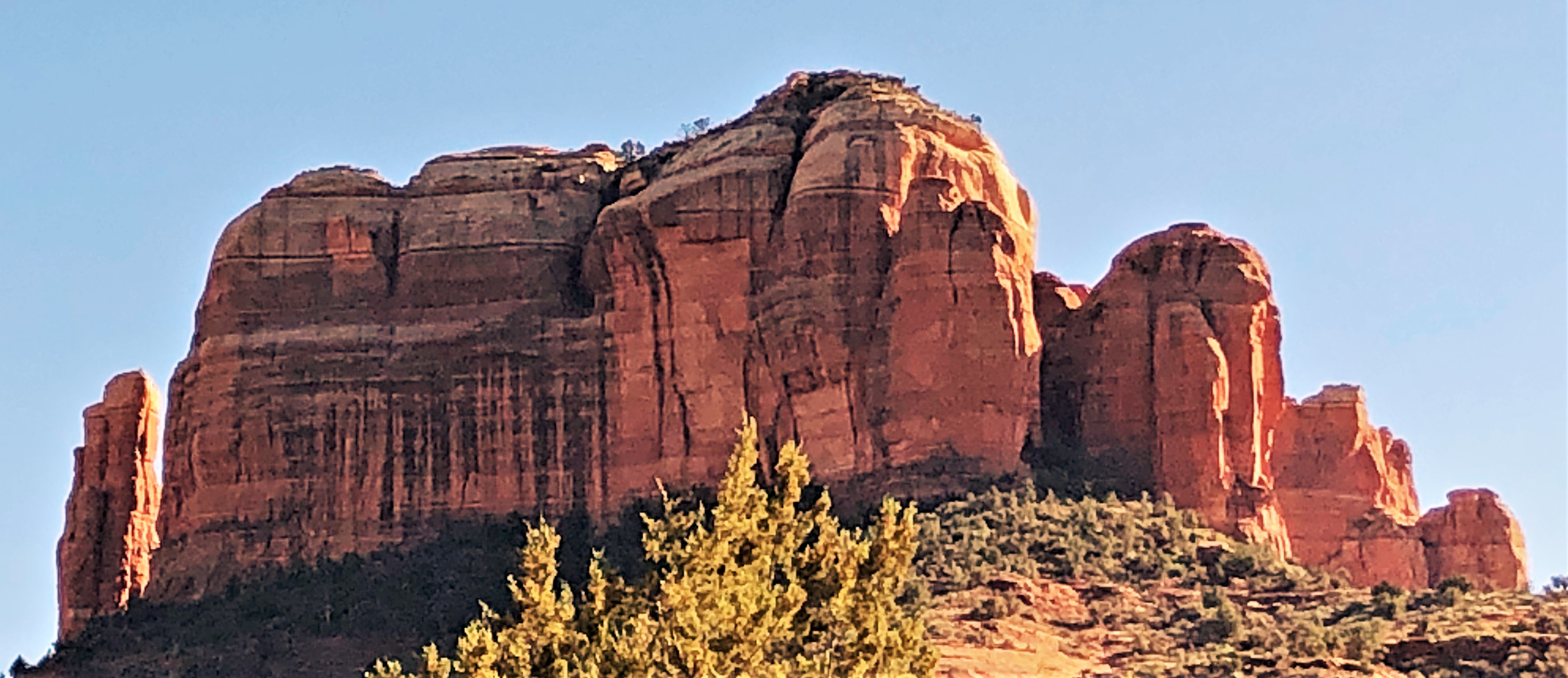
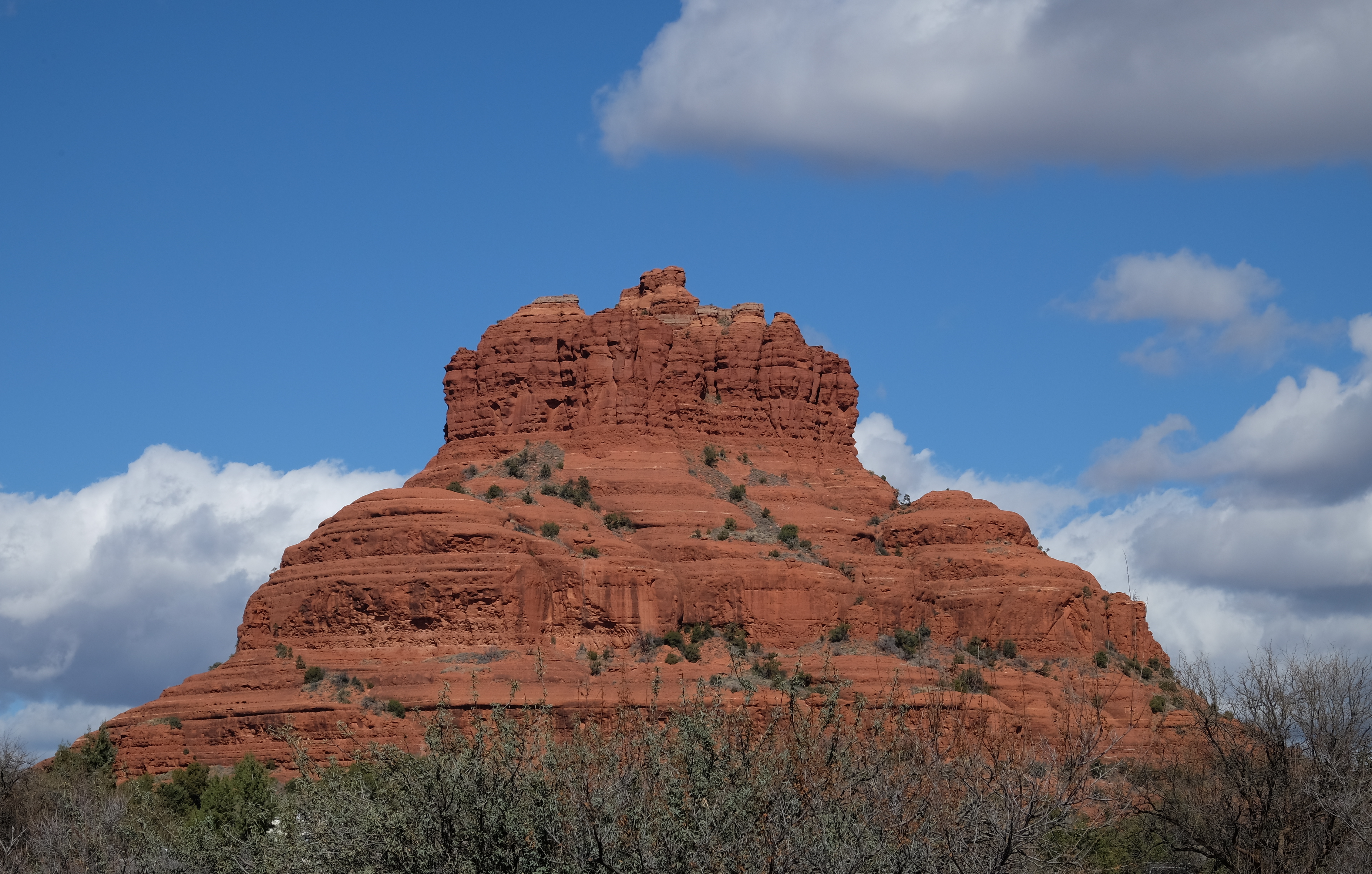
The best-known concrete case is Sedona, Arizona. Its red rock formations, canyons, mesas and trails are a striking geological landscape described by the Arizona Geological Survey and managed in part by Coconino National Forest. Before any energy interpretation, there is rock, erosion, altitude, silence, walking, desert light and scale.
The modern Sedona vortex idea took shape in the late 1970s and early 1980s. An Arizona Department of Transportation corridor plan notes that Sedona residents credit Page Bryant with first using the word “vortex” in this sense in 1980. Four sites became especially famous: Airport Mesa, Bell Rock, Cathedral Rock and Boynton Canyon.
Many visitors report calm, emotion, clarity, tingling, presence or a changed state at these places. That can be read spiritually, psychologically, bodily or aesthetically. The mistake begins when the intensity of the experience is automatically treated as proof of a hidden physical mechanism.
The conspiracy layer appears when subjective reports, magnetism, crystals, landscape lines and visual coincidences are stitched together as proof of a planetary energy technology. That is where the node connects to the Earth Grid, ley lines, stargates, torus and sacred geometry.
The strongest versions turn the vortex into a passage mechanism: a portal to other dimensions, a manifestation accelerator, a timeline opening, a point of non-human contact or access to hidden underground facilities. The mature reading respects the experience of place without forcing it to carry an entire cosmology.
Simple Summary
A vortex is a physical term for rotating motion, but in modern spirituality it also names places where energy is believed to concentrate. Sedona is the best-known case. The conspiracy layer appears when real experiences of place become proof of planetary grids, portals, ley lines, ancient technologies or dimensional passages.
References And Starting Points
- Arizona Geological Survey - geologic scenes from Sedona
- USDA Forest Service - Red Rock Ranger District recreation guide
- ADOT - Red Rock corridor plan, historical note on Page Bryant
- Visit Sedona - Sedona vortex guide
- NOAA/NCEI - geomagnetism FAQ
- Wikimedia Commons - Cathedral Rock
- Wikimedia Commons - Bell Rock
Why It Belongs On AwakenMap
Because vortex links land, body, symbol and conspiracy. It helps explain how a legitimate experience of presence can open contemplation, but can also become certainty about a hidden structure of the planet.
Keep exploring
You can open another path
 Earth and Antarctica Earth Grid 1/5 intensity Explore →
 Consciousness and symbols Flower of Life 1/5 intensity Explore →
 Map center Great Awakening 1/5 intensity Explore →
 Earth and Antarctica Ley Lines 1/5 intensity Explore →
 Esoteric practices Project Stargate 1/5 intensity Explore →
 Consciousness and symbols Sacred Geometry 1/5 intensity Explore →
Join the conversation
Comments are moderated. Keep the discussion respectful and distinguish evidence, interpretation and personal experience.