Connection level
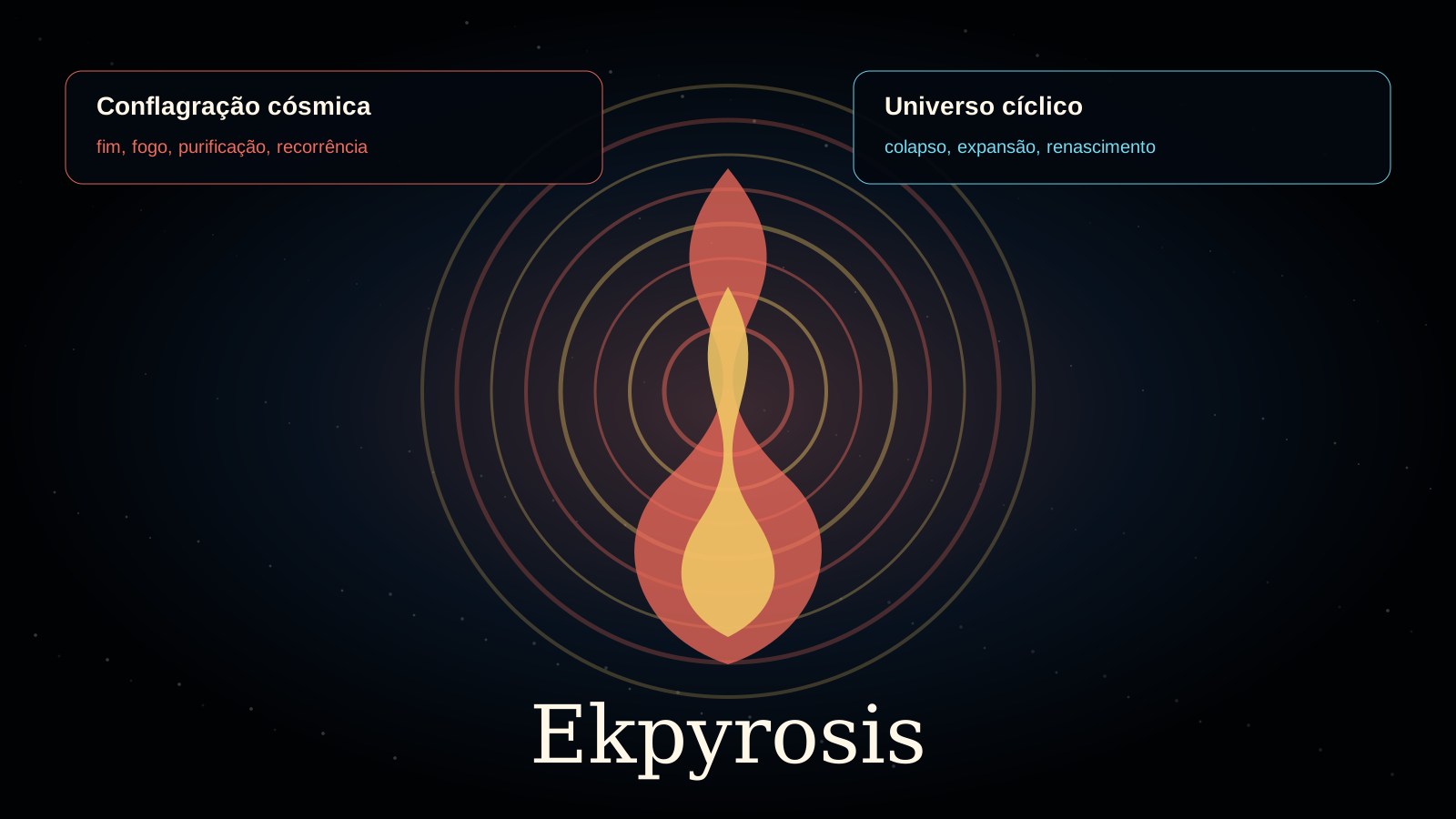
10 direct connectionsEkpyrosis is the idea of a cosmic conflagration: an end of the world by fire, followed by renewal, recurrence or a new cycle of creation. The term comes from Greek and became important in Stoic cosmology, but it also reappears in modern conversations about cyclic universe models, the Big Bang, cosmic collapse and spiritual rebirth.
What Ekpyrosis means
In Stoic philosophy, ekpyrosis is the great burning of the cosmos: the world returns to primordial fire and then is born again in another cycle. It is not only destruction; it is an idea of cosmic order, recurrence and restart.
This image connects with Samvartaka Fire, Yuga Fire, Mystery of Universal Creation, Pneuma and Natural Law. In all these languages, the end appears not only as loss, but as passage between cycles.
The Stoic layer
For the Stoics, the cosmos was alive, rational and pervaded by logos or pneuma. Periodic conflagration was not a chaotic accident: it belonged to a vision in which universal order withdraws into fire and manifests again.
This idea differs from a moralistic apocalypse. It speaks of cosmic rhythm, necessity, fate and repetition. The universe does not end because it failed; it breathes in enormous cycles.
Ekpyrosis and modern cosmology
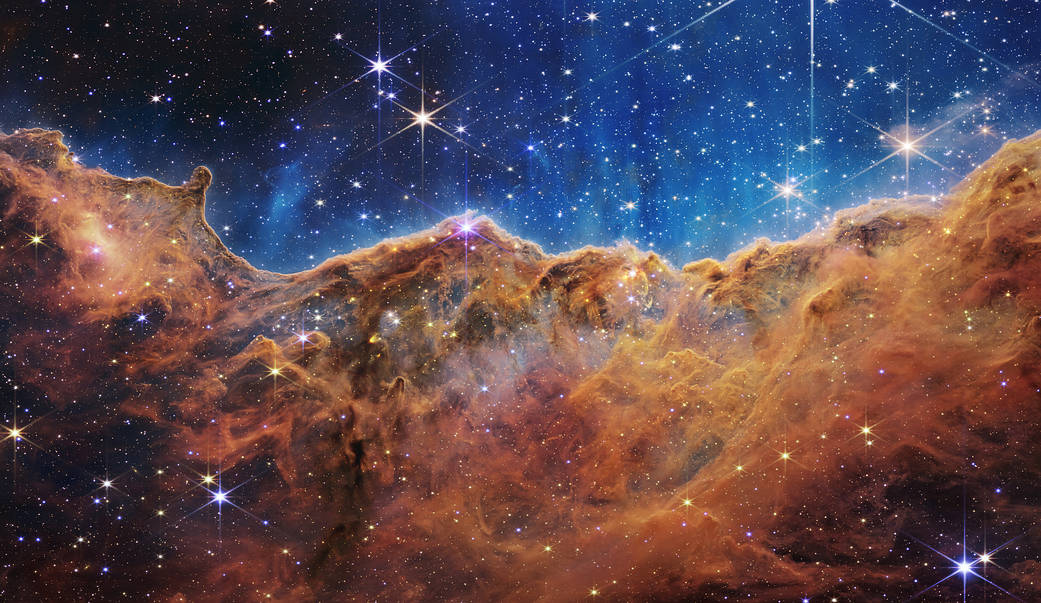
In contemporary physics, “ekpyrotic universe” names speculative models in which the observable universe emerges from an earlier phase, sometimes linked to cyclic scenarios. These models try to answer questions that standard cosmology still leaves open, such as what happened before the initial expansion.
This does not mean modern physics confirms Stoic doctrine. The name is historical inspiration, not spiritual proof.
Big Bang, cycle and mystery
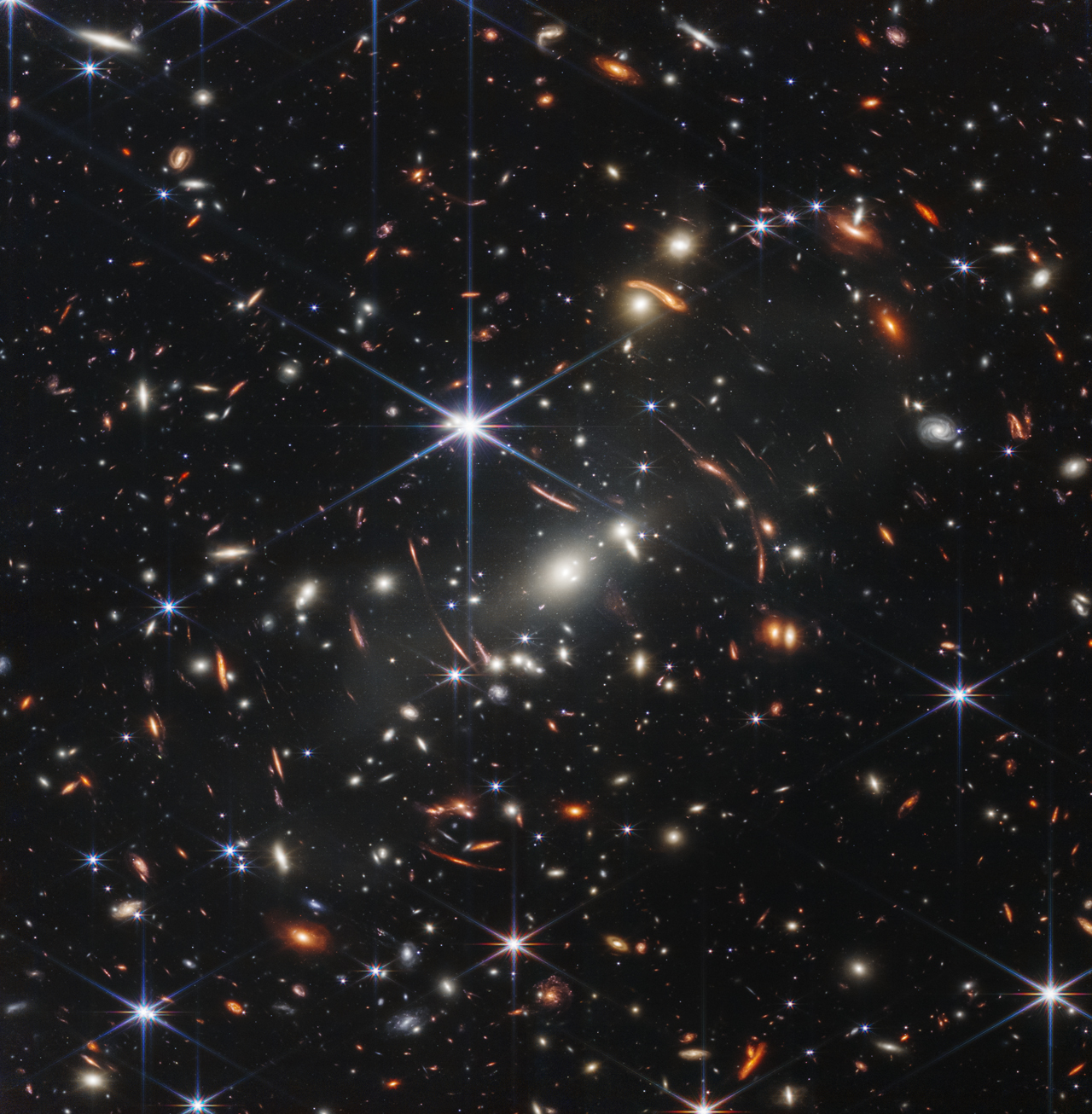
Mainstream scientific cosmology describes a universe that expanded from an extremely hot and dense state. NASA presents the Big Bang as the model organizing observable cosmic history, although open questions remain about inflation, origin and initial conditions.
Cyclic models, including ekpyrotic versions, are theoretical attempts to imagine a wider history: contraction, transition and new expansion. They matter in cosmological debate, but remain technical hypotheses, not spiritual certainties.
Fire as spiritual symbol
In spiritual traditions, fire often symbolizes purification, dissolution of old forms, judgment, creative energy and return to the principle. This is why Ekpyrosis sits near return to Source, One Infinite Creator, Akasha and escape from Samsara.
The fire of the end can be read as literal destruction, but also as an inner image: when an identity collapses, a worldview burns and something simpler begins to appear.
Relation to Yuga Fire and Samvartaka Fire
Samvartaka Fire and Yuga Fire are natural neighbors because they also speak of cosmic fire, end of an age and restart. In Indian cosmologies, dissolving fire can mark the end of enormous cycles. In symbolic reading, this echoes the idea that mental worlds, societies and eras go through combustion and renewal.
AwakenMap does not merge all traditions as if they were identical. It places similar images side by side to compare symbolic function: ending, purification, return and beginning again.
Why it belongs on AwakenMap
Ekpyrosis belongs on the map because it organizes a central question: do the universe, history and consciousness move in a straight line or in cycles? The theme connects ancient cosmology, speculative physics and spirituality of return.
It also helps read narratives of Great Solar Flash, light body ascension, Age of Aquarius and return to Source with more discernment. Not every “end of cycle” is a literal prophecy; sometimes it is language for cultural, psychological or spiritual transformation.
How to continue on the map
After this theme, explore Samvartaka Fire, Yuga Fire, Mystery of Universal Creation, One Infinite Creator, Pneuma, Akasha, Great Solar Flash, light body ascension, escape from Samsara, Natural Law and return to Source.
Simple summary
Ekpyrosis is the idea of a cosmic burning that ends one cycle and prepares another. In Stoicism, it belongs to a cosmology of recurrence. In modern physics, it inspired the name of ekpyrotic and cyclic universe models. On AwakenMap, the theme bridges spiritual fire, end of ages, cosmic rebirth and critical reading of speculative cosmologies.
References and starting points
- Stanford Encyclopedia of Philosophy - Stoicism
- Routledge Encyclopedia of Philosophy - Stoicism: cosmology and theology
- Princeton Gravity Initiative - Paul Steinhardt
- arXiv - A Cyclic Model of the Universe
- NASA Science - The Big Bang
- NASA Science - Cosmic History
FAQ
Is Ekpyrosis an end-of-the-world prophecy?
Not necessarily. In the Stoic tradition, it is a cosmological doctrine of cycles; in modern readings, it can be symbol or speculative model.
Is the ekpyrotic universe accepted by science?
It is a set of debated theoretical models, not the dominant consensus. Standard cosmology still uses the Big Bang as the main structure for the observable history of the universe.
Why does fire appear so often?
Because fire symbolizes energy, transformation, dissolution and rebirth in many philosophical and spiritual traditions.
Keep exploring
You can open another path
 Return to Source Pneuma 5/5 intensity Explore →
  Return to Source Mystery of Universal Creation 4/5 intensity Explore →
  Return to Source Akasha 3/5 intensity Explore →
  Consciousness and symbols Light Body Ascension 3/5 intensity Explore →
  Return to Source Escape from Samsara 3/5 intensity Explore →
  Great Solar Flash Great Solar Flash 3/5 intensity Explore →
Join the conversation
Comments are moderated. Keep the discussion respectful and distinguish evidence, interpretation and personal experience.