Connection level
1 direct connectionsAnonymous is a collective name used by people and groups acting on the internet without fixed central leadership. The theme grips people because it mixes digital activism, forum culture, hackers, memes, leaks, street protests, the Guy Fawkes mask and the feeling that an invisible crowd can challenge governments, companies and institutions.
What Anonymous is
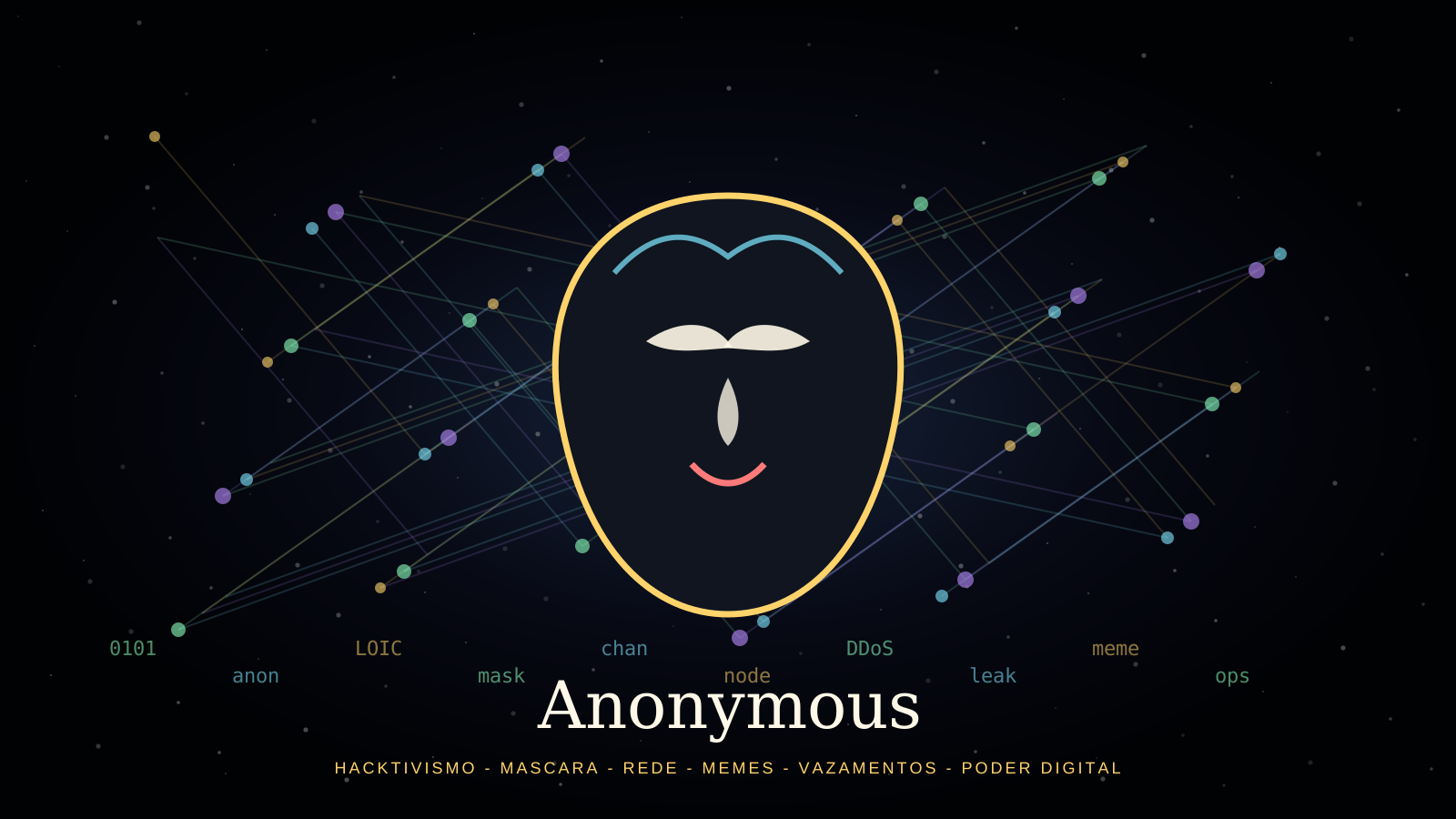
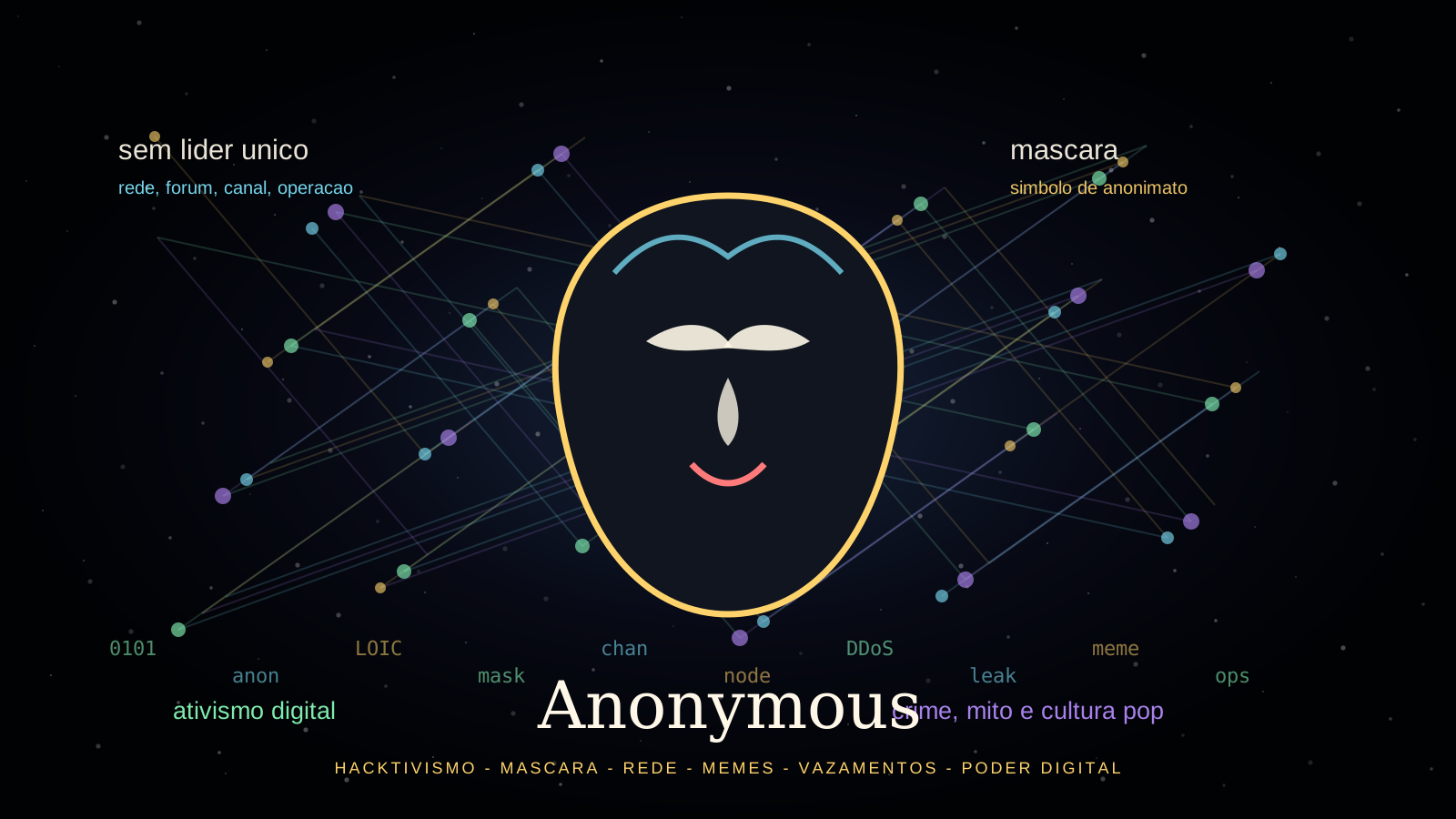
Anonymous is not a company, party, army or organization with headquarters. It is better understood as a collective identity: anyone can act under the name, but not every action done with the name represents everyone else. That is the power and the confusion of the theme.
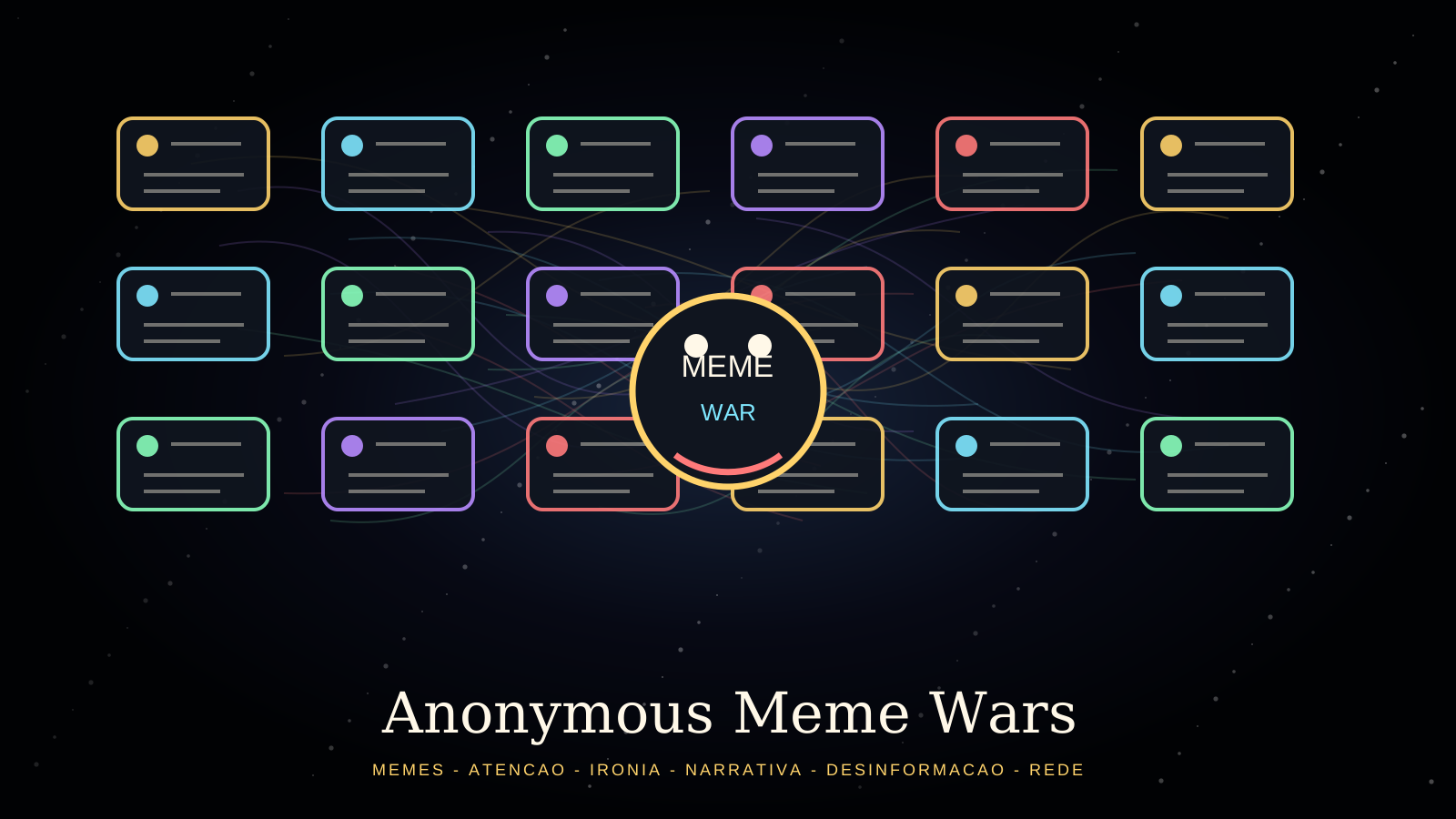
On AwakenMap, Anonymous connects to Anonymous meme wars, The Matrix, the deep state, artificial intelligence, the Great Awakening and The Storm. It works as a bridge between internet culture, symbolic resistance, information war and the imagination of global control.
Where it came from
The modern image of Anonymous grew in environments such as 4chan and other spaces of anonymous online culture. At first there was a lot of chaotic humor, trolling, memes and faceless collective action. Later, that energy moved toward hacktivism: the use of digital tools for political causes, protests and attacks against symbolic targets.
The name "Anonymous" became a kind of collective character. No one is Anonymous alone, but many people can speak as Anonymous for a moment. It is an identity born precisely from the absence of individual identity.
The mask as symbol
The mask associated with Anonymous comes from the Guy Fawkes figure popularized by V for Vendetta. It works because it communicates a simple idea: the individual face disappears, and a cause, a crowd or a symbolic threat appears.
In the Anonymous theme, the mask is not just costume. It became the public interface of something that already existed on the internet: anonymity, multiplicity, irony and coordinated action.
Project Chanology: when it left the internet for the street
An important milestone was Project Chanology in 2008, against the Church of Scientology. The campaign combined videos, digital attacks, online organization and in-person protests with masks. There Anonymous stopped being only forum culture and became a global public image.
This moment matters because it shows the mix that defines the theme: joke, outrage, technology, media, protest and spectacle. Anonymous learned that the symbol was as powerful as the code.
Operation Payback and WikiLeaks
In 2010, Operation Payback placed Anonymous at the center of debate around censorship, piracy, WikiLeaks and online payments. Denial-of-service attacks hit companies such as PayPal, Visa and Mastercard after financial services cut ties with WikiLeaks.
For supporters, it was digital civil disobedience. For authorities, it was crime. This tension follows Anonymous to this day: the same action can be narrated as protest, attack, sabotage, hacktivism or digital vandalism.
Hacktivism is not magic
Popular imagination sometimes turns Anonymous into an almost supernatural entity: "they know everything", "they can take down any system", "they will expose everyone". Reality is more irregular. There were impactful operations, but also exaggerations, failures, arrests and actions carried out by small groups using the name.
The FBI announced charges in 2012 against members connected with Anonymous and LulzSec. That shows that behind the myth there are real people, digital traces, legal consequences and internal conflicts.
Why Anonymous became a modern myth
Anonymous became a myth because it offers a perfect image for the internet age: a faceless crowd speaking against large powers. The symbol is simple, dramatic and easy to copy. Anyone understands the scene: white mask, distorted voice, direct message, powerful enemy.
This aesthetic speaks to The Matrix, the deep state and the Great Awakening: the idea of waking up, seeing the system and resisting invisible structures. Even when the concrete action is small, the symbol feels enormous.
The dangerous side
Anonymity can protect dissidents, whistleblowers and activists in dangerous environments. But it can also protect irresponsibility, unfair attacks, disinformation and harm to ordinary people. Anonymous lives inside that paradox: freedom and risk in the same package.
That is why the theme needs to be treated without idolatry. Not every leak is just. Not every target deserves attack. Not every masked profile speaks for a real cause. The symbol is strong, but it does not replace judgment.
Connections to continue
After this theme, open Anonymous meme wars, The Matrix, the deep state, artificial intelligence, the Great Awakening and The Storm. This path shows how Anonymous connects to digital culture, narrative war, control systems and political-symbolic awakening.
Simple summary
Anonymous is a decentralized collective identity connected with anonymous internet culture, hacktivism, protests, memes and digital attacks. Its power comes from the absence of a face: anyone can use the symbol, but that also creates confusion, risk and dispute over what Anonymous really represents.
References and starting points
- FBI - Six Hackers in the United States and Abroad Charged for Crimes Affecting Over One Million Victims
- The Guardian - Hackers declare war on Scientologists
- The Guardian - WikiLeaks: who are the hackers behind Operation Payback?
- Wired - Feds Arrest 14 Anonymous Suspects Over PayPal Attack
- Purdue cyberTAP - Hacktivism: Anonymous
- EBSCO Research Starters - Anonymous
- The New Yorker - The Masked Avengers
- Investopedia - Anonymous Internet Group
FAQ
Does Anonymous have a leader?
Not in a centralized way. There are groups, channels and influential people in specific moments, but the name works as an open collective identity.
Is Anonymous criminal or activist?
It depends on the action and who is evaluating it. Some people see it as digital protest; authorities often treat attacks, intrusions and leaks as crime.
What role did the mask play?
The mask became a public symbol of anonymity, protest and a faceless crowd, especially after Project Chanology in 2008.
Keep exploring
Join the conversation
Comments are moderated. Keep the discussion respectful and distinguish evidence, interpretation and personal experience.