Connection level
1 direct connectionsAnonymous Meme Wars is the idea that memes, jokes, simple images, short phrases and fast videos can work as weapons of attention in political, cultural and digital disputes. The theme grips people because it looks small - a funny image on a screen - but it can change perception, create group identity, attack enemies and push narratives to millions of people.
What meme war means
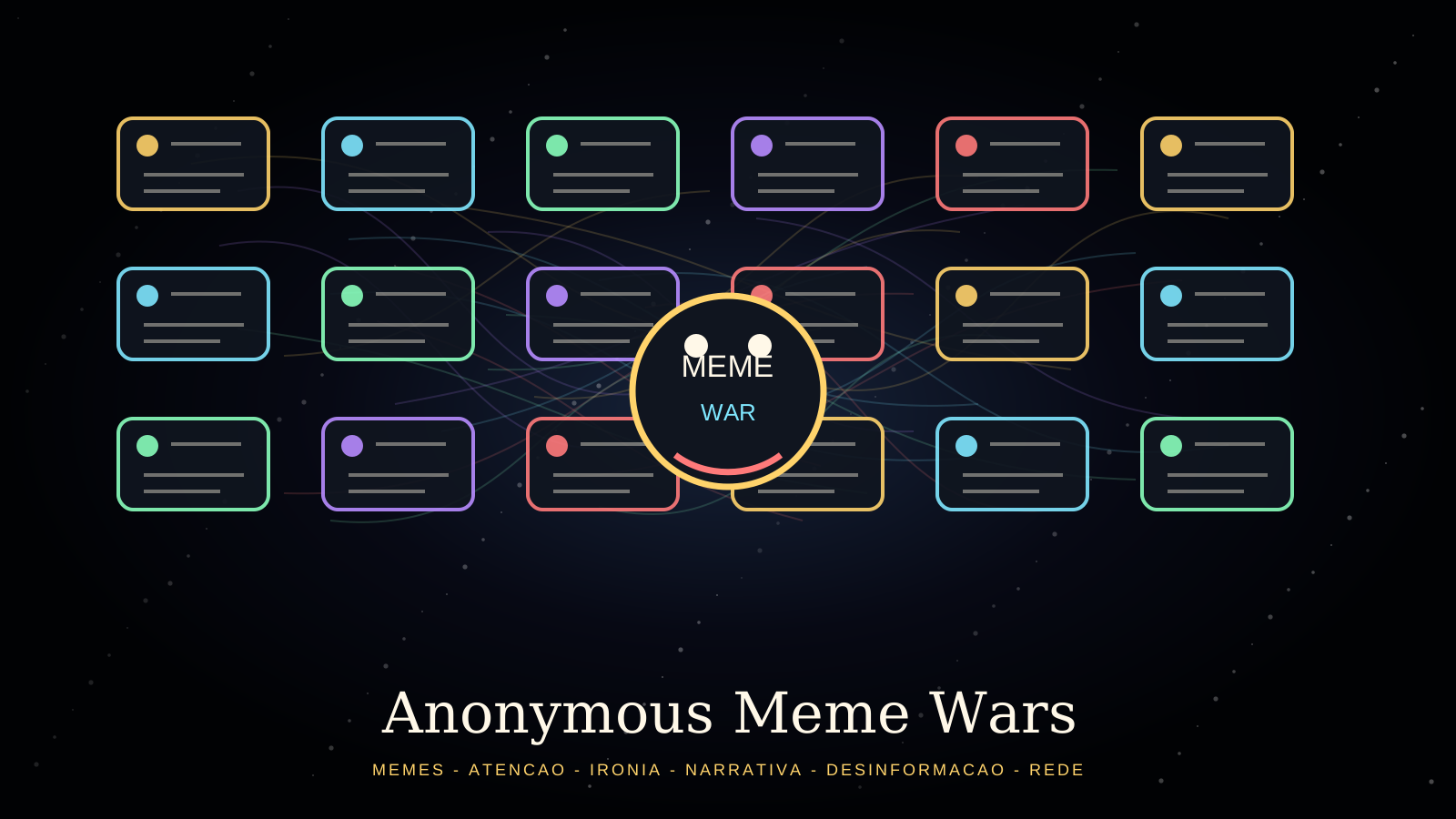
Meme war does not mean only people making jokes. It means using humor, repetition and image to fight over the meaning of an issue. A meme can ridicule an opponent, simplify a complex idea, turn a cause into identity and make a message travel faster than a serious article.
On AwakenMap, this theme connects to Anonymous, The Matrix, the deep state, artificial intelligence, the Great Awakening and The Storm. It shows how internet, politics, pop culture and symbolic conflict mix.
Why Anonymous belongs here
Anonymous was born inside a culture of anonymity, forums, irony, shared images and collective action. Before being only hacktivism, it was also language: inside jokes, masks, slogans, videos and phrases anyone could copy.
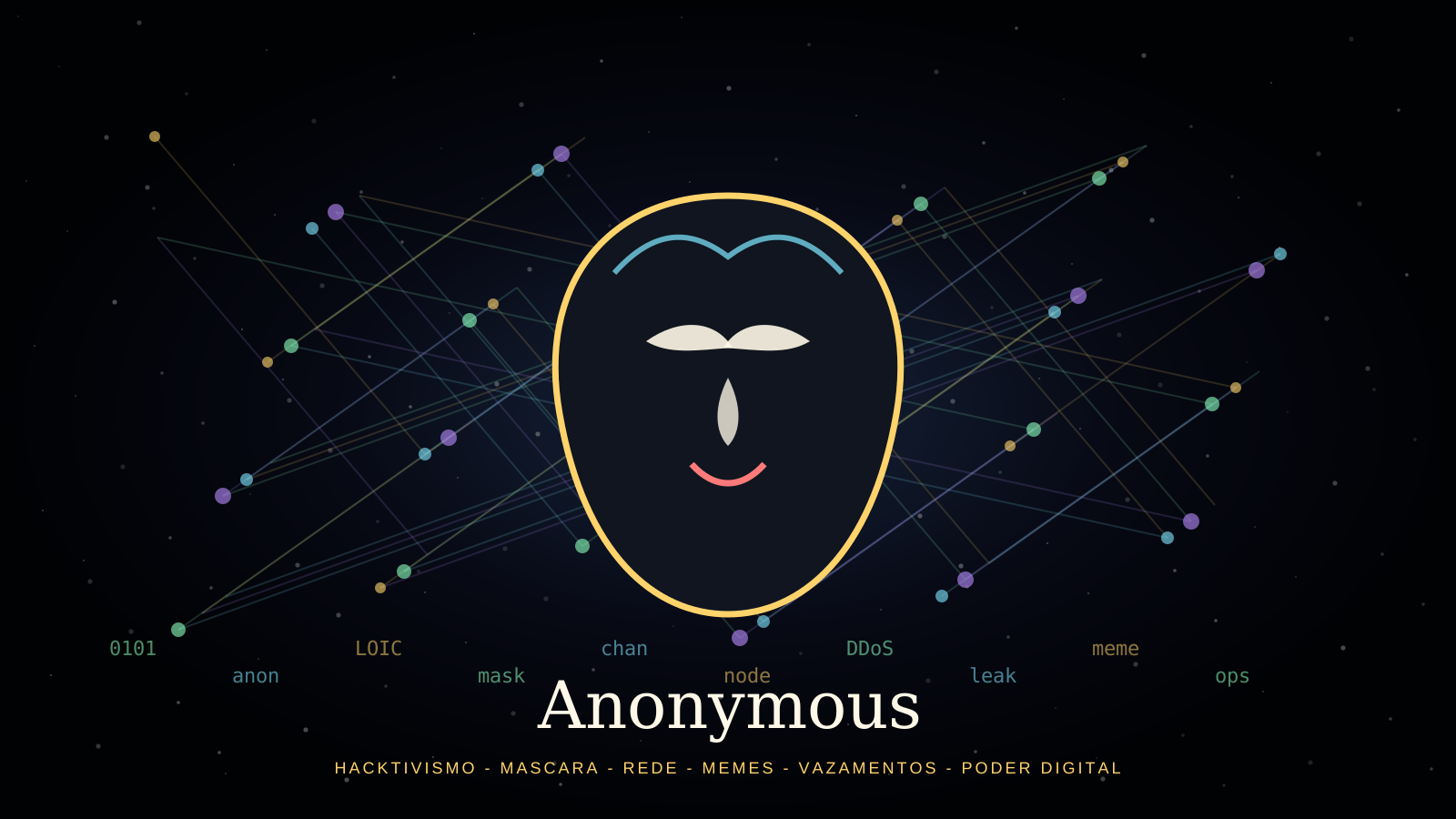
That is why Anonymous fits the idea of meme war. The mask and slogan work as memes: public face, brand, joke, threat and invitation all at once.
The weapon is speed
A meme works because it demands little time. A person looks, understands, laughs, gets angry or shares. In a war for attention, that speed is valuable.
The problem is that the same speed that spreads legitimate criticism also spreads lies, harassment and hate. The power of the meme lies precisely in this ambiguity.
From inside joke to political tool
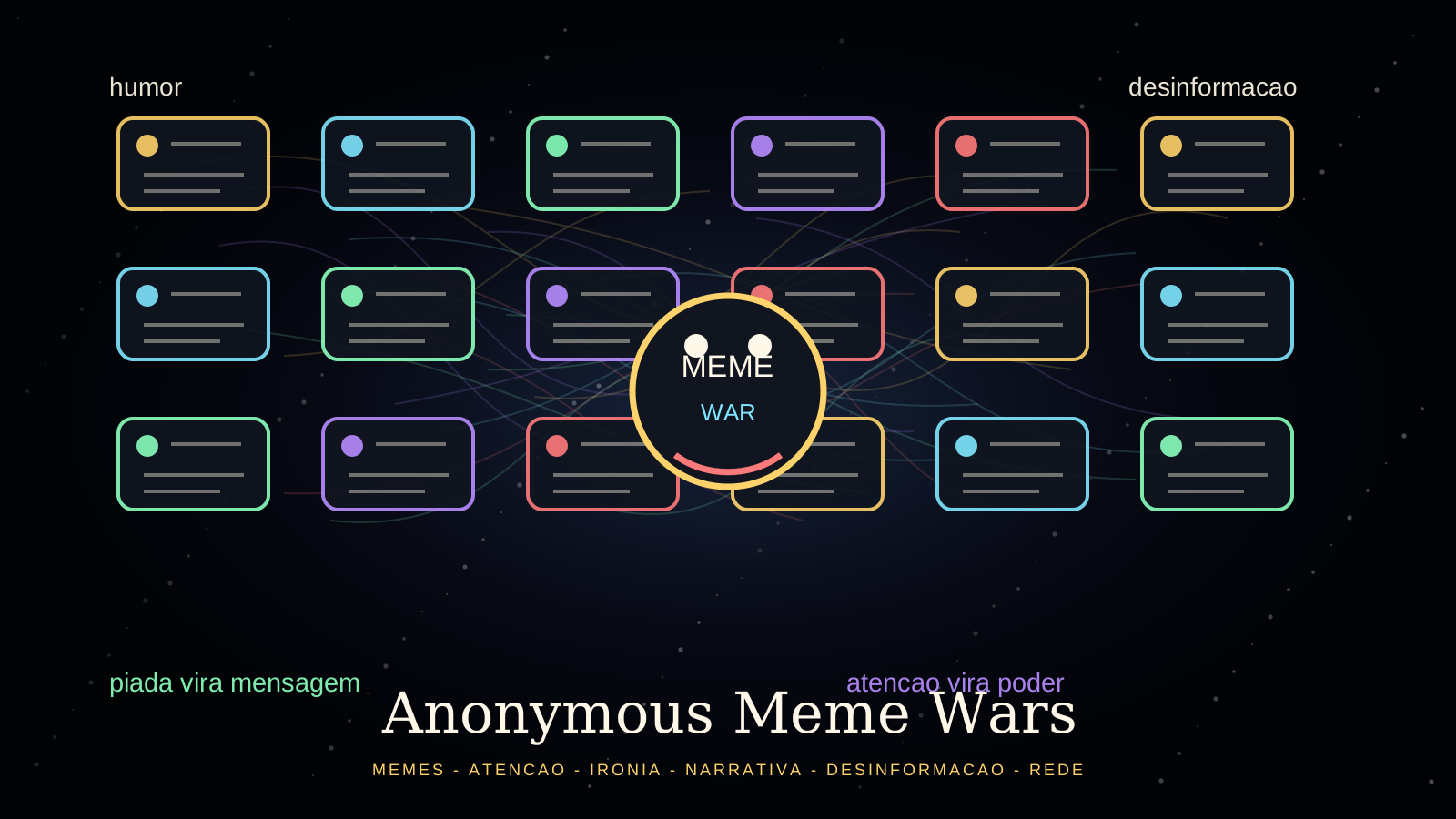
Memes grew as a language of online communities. At first they were often niche jokes. But as social networks became political arenas, memes became tools of campaigning, provocation and mobilization.
Data & Society describes how groups use the participatory culture of the internet to manipulate attention, exploit media vulnerabilities and push messages into public debate. That is the heart of memetic warfare: winning not through depth, but through circulation.
Humor as shield
One trick of the meme is the shield of the joke. If the message sticks, the author says it was serious. If criticized, they say it was only a joke. This ambiguity allows people to test limits, attack others, spread extreme ideas and retreat when resisted.
That does not mean every meme is dangerous. Memes can also expose abuse, puncture official propaganda and make difficult topics more accessible. The point is that humor does not automatically make a message innocent.
Memes and disinformation
Memes are good for emotion but bad for detail. They compress the world into an image. That helps rapid communication, but it also makes distortion easy. A false accusation can circulate as a joke before being checked.
Reports on media manipulation show that coordinated groups can use memes, bots, influencers and platforms to increase visibility. In that environment, the war is not only against one person; it is against public attention.
From online to the street
The idea of meme war became stronger when digital narratives began producing effects outside the screen. Recent political events showed that memes, slogans and viral videos can help create mood, identity and collective action.
The book and discussions around Meme Wars, associated with researchers such as Joan Donovan, Emily Dreyfuss and Brian Friedberg, analyze exactly that passage: from post to movement, from forum to street, from joke to organization.
The Anonymous side
In the case of Anonymous, meme war does not replace hacks, leaks or protests. It prepares the ground. A campaign needs image, phrase, enemy, rhythm and repetition. The Anonymous aesthetic helped show how a simple symbol can become a global banner.
But the Anonymous name can also be used by opportunists. A masked profile may spread good information, baseless rumor or pure propaganda. That is why the reader must look beyond the symbol.
How to read without falling into the trap
The good question is not only "is this meme funny?". It is: who benefits if I share it? What emotion is it trying to activate? Does it show a source? Does it oversimplify? Is it making me hate someone before I think?
This care does not kill humor. On the contrary: it makes the reader stronger inside the war for attention.
Connections to continue
After this theme, open Anonymous, The Matrix, the deep state, artificial intelligence, the Great Awakening and The Storm. This path shows how memes enter disputes about system, control, truth, surveillance and collective awakening.
Simple summary
Anonymous Meme Wars is the use of memes as tools of narrative conflict. Memes can inform, satirize and mobilize, but they can also manipulate, misinform and attack. The theme shows how humor, anonymity and speed became political power on the internet.
References and starting points
- Data & Society - Media Manipulation and Disinformation Online
- Data & Society - Media Manipulation research area
- Harvard Shorenstein Center - Meme Wars: How the Internet Changed Politics
- Stanford Cyber Policy Center - Meme Wars
- PBS - Meme Wars: The Digital Underworld That Led to Jan. 6
- Journal of Social and Political Psychology - Core Motives for the Use of Political Internet Memes
- Purdue cyberTAP - Hacktivism: Anonymous
- The Guardian - WikiLeaks: who are the hackers behind Operation Payback?
- AP News - The politics of memes
FAQ
Is meme war the same as propaganda?
It can be propaganda, but not always. It can also be satire, protest, humor or mobilization. The point is that memes fight for attention and meaning.
Did Anonymous create meme wars?
No. But Anonymous culture helped popularize an aesthetic of anonymity, irony, masks and collective action that fits meme logic very well.
Is every political meme disinformation?
No. Many memes are legitimate criticism. The risk appears when they oversimplify, hide sources, attack people or spread false accusations.
Keep exploring
Join the conversation
Comments are moderated. Keep the discussion respectful and distinguish evidence, interpretation and personal experience.